
Tongliao City
通辽市
Origin of the name: Zhelimu League is the old name of Tongliao City. "Zhelimu" is a transliteration of a Mongolian word meaning saddle or harness, named after the meeting of the ten banners of the Inner Mongolian Jasak during the Qing Dynasty at Zhelimu Mountain. Tongliao City Museum, Agula Grassland Tourist Area, Lotus Lake Tourist Area, Shuanghe…
Origin of place name:
Jerim League is the old name of Tongliao City. "Jerim" is a transliteration of a Mongolian word meaning saddle strap. It was named after the meeting of the ten banners of the Inner Jasak during the Qing Dynasty at Jerim Mountain.
Basic introduction:
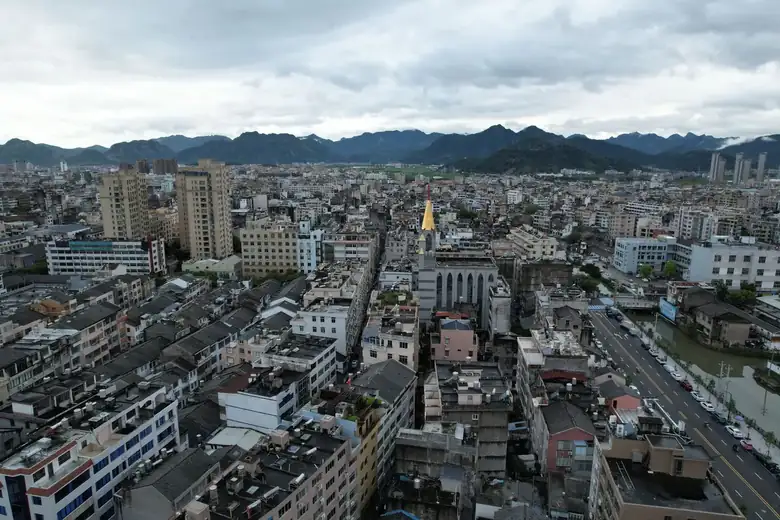
Tongliao City is located in eastern Inner Mongolia Autonomous Region, bordering Jilin Province to the east, Chifeng City to the west, Liaoning Province to the south, and Xilingol League and Hinggan League to the northwest and north respectively. It lies at the intersection of Northeast and North China. The city is home to 32 ethnic groups, including Mongol, Han, Manchu, Hui, Korean, and Daur. The total population is 3,109,200, of which 1,404,500 are Mongol, making it the region with the highest concentration of Mongol population in China. Tongliao City is situated at the western end of the Songliao Plain, in a region where the Mongolian Plateau descends to low mountains and hills and sloping alluvial plains. The larger mountains within the city include Hanshan, Aqimashan, Laodaoshan, and Qinglongshan.
Tongliao City boasts fertile soil and abundant water and grass. It is both a major national grain production base and a significant livestock production base, earning it the reputation of "Hometown of Yellow Cattle." It currently has 914,000 hectares of arable land, primarily producing corn.
View detailed information about Tongliao City >>
Honors Ranking:
In May 2025, it was awarded the title of "Demonstration City for the Construction of a Safe China (2021-2025)".
In January 2026, it ranked 250th in the overall ranking of overseas online influence of Chinese mainland cities in 2025.
In May 2025, the 2025 China City Charm Ranking was released, with Tongliao City ranking 247th (a fifth-tier city).
In April 2025, it was named a national model city (county) for supporting the military and giving preferential treatment to families of servicemen.
In May 2023, Tongliao City was selected as one of the key cities for the utilization of reclaimed water in China.
In May 2024, the 2024 China City Commercial Attractiveness Ranking was released, with Tongliao City ranking 244th.
In September 2023, Tongliao City was included in the list of the third batch of pilot cities for convenient living circles within 15 minutes.
In June 2023, Tongliao City was selected for the 2023 National Backbone Cold Chain Logistics Base Construction List.
In April 2023, the 2023 China City Commercial Attractiveness Ranking was released, with Tongliao City ranking 243rd.
View more honors and rankings of Tongliao City >>
Historical background:
Tongliao City's predecessor, Zhelimu League, was established in the early Qing Dynasty. Its territory extends from the Taoer River and Nenjiang River basins south of Suoyuerji Mountain in the north to the East-West Liao River basin and Yangximu River basins of Wuhanade Mountain in the south, from Wuhana Mountain in the west to the Songhua River and Yidun River in the east.
During the Spring and Autumn and Warring States periods (approximately 771-476 BC), this area was inhabited by nomadic tribes such as the Donghu and Shiwei.
During the Warring States period, the area south of the Yan Great Wall in Tongliao was under the jurisdiction of the Liaodong and Liaoxi Commanderies of the Yan State.
During the Qin Dynasty, the areas along the East and West Liao Rivers belonged to Liaodong Commandery and Liaoxi Commandery, while the Nenjiang River basin was still inhabited by the Donghu people.
During the Western Han Dynasty, the nomadic peoples who lived in the Nenjiang River basin and the East and West Liao River basins were mainly Donghu people.
View detailed historical evolution of Tongliao City >>
Travel information can change. Check current opening hours, reservations and entry requirements before you travel.
Traveller discussion
Start the conversation with a helpful tip or a question.