
Anhui
AnhuiCity OverviewAnhui, officially Anhui Province, is a land of poetic charm nestled in the hinterland of East China. To understand Anhui, one must first understand its two great rivers—the Yangtze and the Huaihe. Like two dragons, they fl
Anhui
City Overview
Anhui, officially Anhui Province, is a land of poetic charm nestled in the hinterland of East China. To understand Anhui, one must first understand its two great rivers—the Yangtze and the Huaihe. Like two dragons, they flow from west to east across the entire province, naturally dividing it into three major geographical regions: the Huaibei Plain, the Yangtze‑Huaihe region, and the Jiangnan (south of the Yangtze) region. The Huaibei Plain stretches as far as the eye can see, with waves of wheat rolling across it, carrying the weight of Central Plains culture. Between the Yangtze and the Huaihe, undulating hills and a transitional climate give the area both northern and southern characteristics. South of the Yangtze, in the mountainous region of southern Anhui, the Huangshan and Jiuhua mountains stand tall, and the Xin’an River flows with clear, jade‑green water—this is the birthplace and home of Hui culture. Covering approximately 140,100 square kilometres and home to about 61 million people, Anhui’s unique geographical position makes it a natural melting pot where northern and southern, eastern and western civilisations meet and merge.
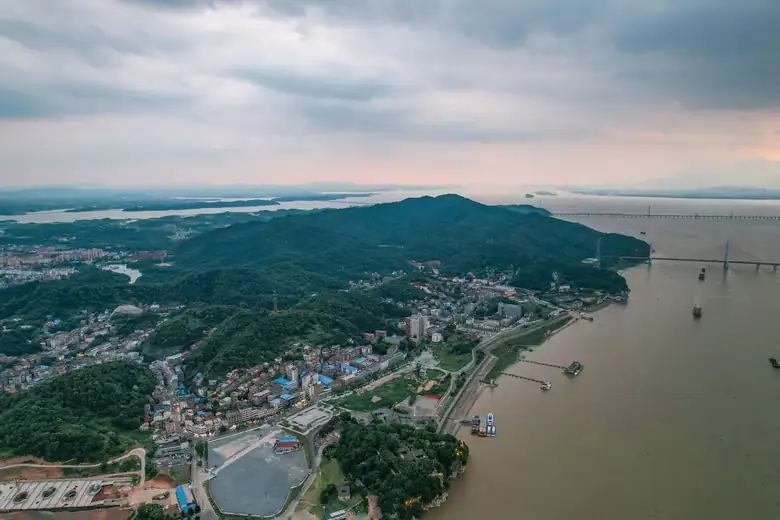
Anhui’s administrative status is that of a province in eastern China, with its capital at Hefei. Its abbreviated name, “Wan,” originates from the ancient Wan state that existed on this land during the Spring and Autumn period. The famous Tianzhu Mountain in the area was once called Mount Wan, and the Wan River flows through it. This abbreviation carries millennia of historical memory. Another widely known poetic name for Anhui is “the land of the Yangtze and Huaihe rivers,” which precisely captures its geographical and cultural identity. In the provincial landscape, Hefei, as the capital and a comprehensive national science centre, acts like the heart and brain of the province, driving the engine of innovative development. Wuhu, on the banks of the Yangtze, leverages its port and manufacturing industries to serve as the province’s secondary economic growth centre and gateway to the outside world. In the south, the Huizhou region, represented by Huangshan City (though its historical administrative centre has moved, its cultural genes remain), plays the role of preserving and passing on the brilliant Huizhou culture—Anhui’s cultural calling card to the world.
Historical Context
Anhui was established as a province relatively late, but its history of development stretches back to ancient times. Its direct administrative predecessor was the Southern Metropolitan Area (Nan Zhili) of the Ming dynasty. In 1667, during the Kangxi reign of the Qing dynasty, Jiangnan Province (the former Nan Zhili) was divided into two. Taking the first characters of “Anqing Prefecture” and “Huizhou Prefecture,” the “Anhui Provincial Administration Commission” was established, and Anhui Province formally appeared on the historical stage. Its capital was initially administered from Jiangning (Nanjing) and only moved to Anqing in 1760. This administrative naming perfectly foreshadowed the centuries‑long interplay between Anhui’s two core internal cultures—the Wanjiang culture represented by Anqing and the Hui culture represented by Huizhou.
The evolution of Anhui’s history is a condensed history of the collision and fusion of Chinese civilisations. Phase I: The Dawn of Civilisation and the Fusion of Yi and Xia from Prehistory to the Pre‑Qin Period (c. 2500 years ago). The Lingjiatan site in southern Anhui (dating from about 5800–5300 years ago) has yielded exquisite jade artefacts such as jade dragons and jade eagles, providing solid evidence that the Yangtze River basin was also a major cradle of Chinese civilisation. During the Xia and Shang dynasties, the Huai River basin was the main area of activity for the Dongyi tribes; the famous “Huaiyi” people created a unique civilisation here. By the Spring and Autumn and Warring States periods, Anhui was divided between the Wu and Chu states, becoming a frontier of intense cultural confrontation, and eventually, diverse cultures merged here.
Phase II: Canal Transport Hubs and Military Strongholds from the Han‑Tang to the Song‑Yuan Period (202 BCE – 1368 CE). During the reign of Emperor Wu of Han, Liu An, the King of Huainan, compiled the Huainanzi in Shouchun (present‑day Shou County), a work that synthesised Taoist thought. The excavation of the Grand Canal during the Sui and Tang dynasties made the Tongji Canal (present‑day Bian River) within Anhui a vital artery of the national economy, spurring the prosperity of cities along its route, such as Suzhou and Huaibei. During the Southern Song dynasty, the Huai River became the border between the Song and the Jin; northern Anhui fell to the Jin, and the region between the Yangtze and Huaihe became the front line defending the southern half of the country. Battles at Caishiji and other locations changed the course of history.
Phase III: The Rise of Huizhou Merchants and Cultural Flourishing in the Ming and Qing Dynasties (1368–1840). This was the period when Anhui’s regional culture exerted its most profound influence on China. The Huizhou merchants, who “loved learning even as they pursued business,” dominated Chinese commerce for centuries through salt, pawnbroking, tea, and timber trades. The saying “no town is complete without a Huizhou merchant” attests to their reach. They brought immense wealth back to their hometowns, building exquisite Hui‑style villages such as Xidi and Hongcun, and patronising cultural schools including Xin'an Neo-Confucianism, Huizhou textual criticism, the Xin’an painting school, Hui opera, and Hui‑style architecture—all of which directly shaped China’s cultural landscape in the modern era. At the same time, the Tongcheng School of prose became a dominant force in Qing‑dynasty literature for over two centuries, producing luminaries such as Fang Bao, Liu Dakui, and Yao Nai.
Phase IV: Difficult Modernisation and Industrial Pioneering (1840–1949). In 1876, the Sino‑British Chefoo Convention opened Wuhu as a treaty port, allowing Western industrial civilisation and ideas to penetrate the region. In 1861, Zeng Guofan established the Anqing Inner Ordnance Works, where Xu Shou and Hua Hengfang later built China’s first steam engine and first motorised ship, the Huanghu, making it an important birthplace of China’s modern industry. During the War of Resistance, Anhui was a major base for the New Fourth Army; events such as the Wannan Incident shocked the nation. Historical sites are scattered throughout the province—the ancient altar at Lingjiatan, the Song‑dynasty city walls of Shou County, the ruins of the Ming Central Capital at Fengyang, and the ancient villages and ancestral halls of Huizhou—all living history books.
Cultural Heritage
Anhui’s culture is not a single, monolithic entity, but a composite of diverse local cultures, among which Hui culture and Huaihe culture are the most prominent. Dialects are the most immediate reflection of cultural differences. From north to south, Anhui spans four major dialect zones: Central Plains Mandarin, Jianghuai Mandarin, Hui dialects, and Gan dialects. The accents of the Huaibei Plain are close to those of Henan, crisp and direct. In the central region between the Yangtze and Huaihe, Hefei and Anqing belong to the Hongchao subgroup of Jianghuai Mandarin, bearing characteristics transitional between the Central Plains and Wu regions. Most distinctive are the Hui dialects of the southern Anhui mountains, which vary so greatly that a single ridge can separate two villages where residents cannot understand each other; they preserve a large number of archaic pronunciations and vocabulary, earning them the name “living fossils of dialects.”
Folk traditions also show sharp north‑south contrasts. On both banks of the Huaihe, during the New Year, people steam large buns and fry sazi (crispy fried dough twists); temple fairs are common, and worship of the Earth God runs deep. In Huizhou, the influence of clan society is still visible; almost every village has an ancestral hall, and seasonal festivals, weddings, and funerals follow ancient rites passed down by the clans, such as processions of gods and exorcism rituals—remnants of Nuo opera. The national‑level intangible cultural heritage “Chizhou Nuo Opera” carries ancient beliefs of exorcism and blessing; its wooden masks and primitive dance steps are living materials for studying the pre‑history of Chinese theatre. The Double Ninth Festival temple fairs and the Shangjiu temple fairs remain important economic and social gatherings.
Anhui’s artistic traditions hold a pivotal place in Chinese cultural history. In local opera, Hui opera is one of the origins of Peking opera; its performance style is bold and rugged, and its melodies are beautiful and complete. The entry of Hui opera troupes into Beijing during the Qing dynasty, blending with Han melodies, eventually gave birth to Peking opera. Another artistic gem—Huangmei Opera—originated in the Huangmei area on the Anhui‑Hubei border and matured in Anqing. Its singing is simple and flowing; a single piece, The Heavenly Match, became a national sensation and remains Anhui’s most dazzling cultural calling card, with masters such as Yan Fengying and Ma Lan carrying on the tradition. In painting and calligraphy, the Xin’an school of painting, which emerged in the late Ming and early Qing and was represented by Hongren, features a sparse, refined style inspired by Huangshan, advancing the aesthetics of Chinese landscape painting to a new height. In arts and crafts, the three Hui carvings (brick, stone, and wood) are exquisitely executed, adorning dwellings and ancestral halls with both aesthetic and educational functions. Moreover, the crafts of Xuan paper, Hui ink, and She inkstones—key components of the “four treasures of the study”—are peerless, directly supporting and shaping China’s thousand‑year tradition of calligraphy and painting.
Many of these cultural achievements have been inscribed on intangible cultural heritage lists. National‑level intangible heritage includes Huangmei Opera, Hui Opera, Lu Opera, Southern Anhui Mulian Opera, Flower Drum Lantern Dance, Xuan paper‑making, Hui ink‑making, She inkstone‑making, and Wan’an compass‑making. These constitute the solid core of Anhui’s cultural identity and are the living cultural soul that travellers can personally experience.
Architecture and Urban Landscape
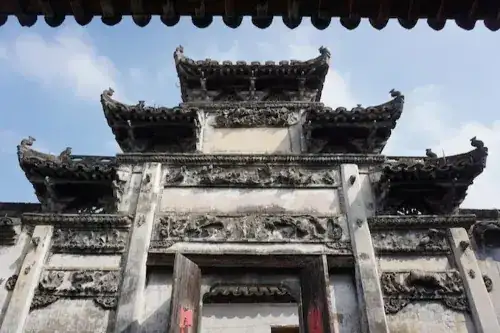
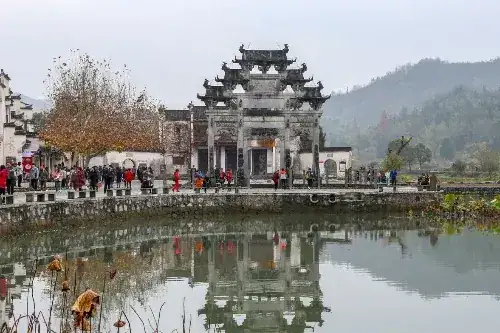
The most striking architectural landscape of Anhui is undoubtedly that of Hui‑style architecture. Scattered like ink paintings among the green hills and clear waters of southern Anhui, Hui‑style buildings are characterised by “white walls, black tiles, and horse‑head gables.” The tall white walls and layered black roofs appear especially elegant and poetic in the misty rain. The horse‑head gable (also known as a firewall) was originally designed for fire prevention, but in the hands of craftsmen it evolved into a rhythmically undulating skyline and became the soul of Hui architecture. The interior is centred on the “four waters returning to the hall” courtyard, symbolising that “wealth should not leave the family.” The overall structure emphasises harmonious coexistence with the natural landscape, and the siting and layout of villages often incorporate feng shui principles. Xidi and Hongcun, as outstanding representatives of southern Anhui’s ancient villages, have been inscribed as UNESCO World Heritage Sites and epitomise this architectural philosophy.
Beyond Huizhou, Anhui’s urban fabric displays different styles. The provincial capital, Hefei, has undergone tremendous urban transformation; the skylines of the Government Affairs District and Binhu New Area change daily, symbolising Anhui’s determination and speed in embracing modernisation. The old city’s Xiaoyaojin Park and the Ring Park retain historical imprints from the Three Kingdoms period, creating an urban rhythm interwoven with classical and modern elements. Anqing, as the provincial capital for a century, retains the Daobaoshi pedestrian street and the Notre‑Dame Cathedral, preserving traces of modern treaty‑port opening and Sino‑Western fusion. Wuhu’s riverside promenade and old buildings such as the Catholic church tell of its past prosperity as the leading “Four Great Rice Markets” and a treaty port.
Between tradition and modernity, Anhui has developed a number of vibrant distinctive areas. “Liyang in Lane” in Tunxi is not a replica of an ancient street, but is built on the authentic fabric of Liyang Old Street, combining restored old houses with contemporary commercial design to create a new kind of travel and living experience. Tachuan, near Hongcun, with its autumn Chinese tallow‑tree leaves and white‑walled, black‑tiled village landscape, has become one of China’s most beautiful autumn scenery spots, demonstrating the perfect integration of architecture and the natural landscape. Together, these areas constitute the richness of Anhui’s urban and rural landscape: you can travel back to the ancient villages of the Ming‑Qing Huizhou merchant heyday, while also sensing the ambitions of modern cities. The layers of history are clearly legible here.
Culinary Culture
Anhui’s culinary culture is deeply marked by geography and history. Its mainstay, Hui cuisine, is one of China’s eight great culinary traditions. Core Hui cuisine refers to dishes originating from the ancient Huizhou Prefecture (present‑day Huangshan area). Hui cuisine’s greatest characteristics are its focus on heat control and the skilful use of fire, with a savoury‑umami flavour profile, heavy oil, heavy colouring, and heavy reliance on fire. This is closely tied to its geographical environment: the mountains were humid and miasmic, so oil helped ward off cold; and historically, Huizhou merchants travelled long distances, so food needed to be preserved and portable, leading to highly developed curing and fermentation techniques. Today, the central Anhui cuisine centred on Hefei and the riverside cuisine represented by Wuhu and Anqing incorporate more fresh flavours from rivers and lakes and tend to be lighter, together forming the full picture of Anhui cuisine.
To taste the soul of Hui cuisine, several classic dishes are indispensable. Stinky Mandarin Fish—the name is misleading; it has a faint odour but, once in the mouth, the flesh is firm and separates into garlic-clove-like flakes, exquisitely fresh and savoury with a lingering aftertaste. It was born when old Huizhou merchants transported mandarin fish from the Yangtze to the Huizhou mountains and lightly salted them to prevent spoilage, inadvertently creating this legendary delicacy. Hairy Tofu—the tofu is artificially fermented until a fine, white fuzz covers it; fried to a golden brown and eaten with chilli sauce, it is crisp outside and tender inside, astonishingly savoury. This is another masterpiece of microbial fermentation, akin to European blue cheese. One‑Pot Stew—layers of dried bamboo shoots, pork, tofu pouches, and egg dumplings are stacked in a pot and simmered on a low flame for hours; the flavours permeate each other, creating a harmony of meat and vegetables. It represents the highest form of hospitality in Huizhou, where the flavours deepen from the top to the bottom of the pot.
Beyond main dishes, Anhui’s snacks and food customs are equally charming. In Huainan, a steaming bowl of Huainan beef soup with a freshly baked sesame cake makes for a hearty breakfast. The beef soup, with its vermicelli and tofu skin, is rich and savoury, with tender, fall-apart beef—a humble dish rooted in the wharf culture of the Huai River basin. During the New Year, families around Hefei fry glutinous rice balls, symbolising family reunion. Behind these eating habits lies Anhui’s diligent, simple, and reserved regional character. The “heavy flavours” of Hui cuisine come from the survival wisdom of the mountains, emphasising “food and medicine share the same source”; the prevalence of wheat‑flour foods in the Huai River basin speaks directly to its blood ties with the Central Plains. Eating in Anhui is not just about sustenance—it is about experiencing a life philosophy that faces the natural environment and preserves tradition.
Modern and Contemporary Development
Anhui’s modern development is a path that has moved from a traditional agrarian society, through difficult industrialisation, to embracing the era of scientific and technological innovation. A key starting point was the opening of the modern treaty port. After Wuhu was opened in 1876, Western goods, capital, and ideas flowed in, challenging the local natural economy while also introducing modern industry and urban infrastructure. In 1905, a section of the Zhuzhou‑Pingxiang railway was completed within Anhui. But overall, during the war‑torn Republic era, Anhui developed slowly and remained a typical agricultural province, with an unclear internal division of labour.
After the founding of the People’s Republic, the state began large‑scale industrial construction, and Anhui’s industrial map began to take shape. During the First and Second Five‑Year Plans, Anhui received a number of industrial enterprises relocated from Shanghai, laying its industrial foundation in coal, steel, power, and textiles. Huaibei and Huainan became major energy bases in East China, with the “Lianghuai coal mines” well‑known nationwide. Tongling, relying on its mineral resources, established a nationally important copper industrial base. Ma’anshan rose on the strength of steel, becoming a key steel city. During this period, mechanical manufacturing and shipbuilding in Hefei, Anqing, and Wuhu were also strengthened, forming an initial regional division where southern Anhui focused on heavy and resource‑based industries and central Anhui on manufacturing.
Reform and opening up, especially after the turn of the 21st century, brought a major transformation to Anhui’s development. Facing resource depletion and the difficulties of traditional industries, Anhui bravely seized the historic opportunity of innovation‑driven growth. A landmark event was the relocation of the University of Science and Technology of China to Hefei, a central city then almost barren of scientific resources. The province rallied to support this, and using this as a spark, ignited the dream of building a “science and technology innovation city.” Today, Hefei is a comprehensive national science centre, with world‑notable achievements in frontier fields such as quantum information, nuclear fusion, and artificial intelligence, earning it the nickname “China’s best venture‑capital city.” Led by Hefei, the province’s industrial upgrading is accelerating. Wuhu has formed an automobile and parts industrial cluster led by Chery Automobile, and is actively developing general aviation and robotics. Ma’anshan, Tongling, and Anqing along the Yangtze are accelerating the upgrading of traditional industries while actively deploying new materials and high‑end equipment manufacturing. The division of labour among the province’s cities is becoming clearer: the Hefei‑Wuhu‑Bengbu independent innovation pilot zone is the province’s innovation core; the Wanjiang City Belt industry transfer demonstration zone is the main battlefield for advanced manufacturing; and northern Anhui, while ensuring food and energy security, is actively developing food processing and new energy industries. Today, Anhui, once a province that was neither east nor west geographically, is striving to become an important member of the integrated development of the Yangtze River Delta. Its strategic positioning is the “Three Places and One Region”: an influential source of technological innovation, an emerging industrial cluster area, a pioneering area for reform and opening up, and a comprehensive green‑transition zone for economic and social development.
Transportation and Travel
Anhui, located in East China, connects east and west, north and south, and is a nationally important transport hub. The provincial transport network is centred on the capital Hefei, radiating outward in an asterisk-shaped pattern (resembling the Chinese character for rice), and has formed a comprehensive three‑dimensional system of high‑speed railways, conventional railways, expressways, the Yangtze River golden waterway, and aviation. In rail transport, Anhui is one of the provinces with the densest high‑speed rail network in China. National trunk high‑speed railways such as Beijing‑Shanghai, Beijing‑Taipei, and the Yangtze riverside line pass through the province. Hefei South Station is one of the largest comprehensive transport hubs in East China. From Hefei, it is 1 hour to Nanjing, 2 hours to Shanghai, Hangzhou, and Wuhan, achieving the same‑city effect with the major urban clusters of the Yangtze River Delta.
The expressway network is equally extensive. National trunk expressways such as G3 Beijing‑Taipei, G40 Shanghai‑Xi’an, G50 Shanghai‑Chongqing, and G35 Jinan‑Guangzhou traverse the province. By the end of 2022, Anhui had achieved “every county connected to expressways,” making self‑driving extremely convenient. In aviation, Hefei Xinqiao International Airport leads the way, with Huangshan Tunxi Airport as a tourism pivot, along with airports in Fuyang, Anqing, and Wuhu‑Xuanzhou, forming a service network covering the province and connecting to major domestic cities and some international routes. Notably, the Yangtze and Huaihe rivers provide excellent inland waterway conditions; Wuhu Port and Ma’anshan Port are important deep‑water ports on the Yangtze, accessible year‑round by 10,000‑tonne vessels.
For travellers, the most unique travel experience in Anhui is “travelling within a painting.” The Xin’an River Landscape Gallery is not an ordinary road, but a scenic route that winds along the Xin’an River. In spring, with rapeseed flowers in bloom on both banks and Hui‑style villages reflected in the water, whether driving or cycling, it feels like moving through a landscape painting. The “most beautiful expressway in Anhui”—sections of the Hefei‑Tongling‑Huangshan expressway that connect Huangshan and Taiping Lake—makes the journey itself a scenic experience. In the deep mountains of southern Anhui, the traditional “mountain‑crossing” has modern alternatives. The dense high‑speed rail network allows you to visit the Hefei Science and Technology Museum in the morning and enjoy Hui cuisine on Tunxi Old Street in the afternoon; time and space have been greatly compressed, making a deep exploration of this diverse land on the north‑south divide unprecedentedly easy.
Travel Tips
Anhui can be visited all year round, but the best travel seasons are spring and autumn. In spring (March–May), the rapeseed flowers in southern Anhui bloom in succession from low to high altitudes, creating golden patches set against white‑walled, black‑tiled villages—prime time for photography. In autumn (September–November), with clear skies and crisp air, it is the best season for climbing Mount Huangshan and Mount Jiuhua and viewing the autumn foliage; Tachuan’s autumn colours are particularly stunning. Summer is hot, but mountainous areas like Huangshan and Tianzhu Mountain are excellent summer retreats, and after rain, they are ideal for waterfall viewing and sea‑of‑cloud watching. In winter, snow on Huangshan is extraordinarily beautiful, like a crystalline fairyland.
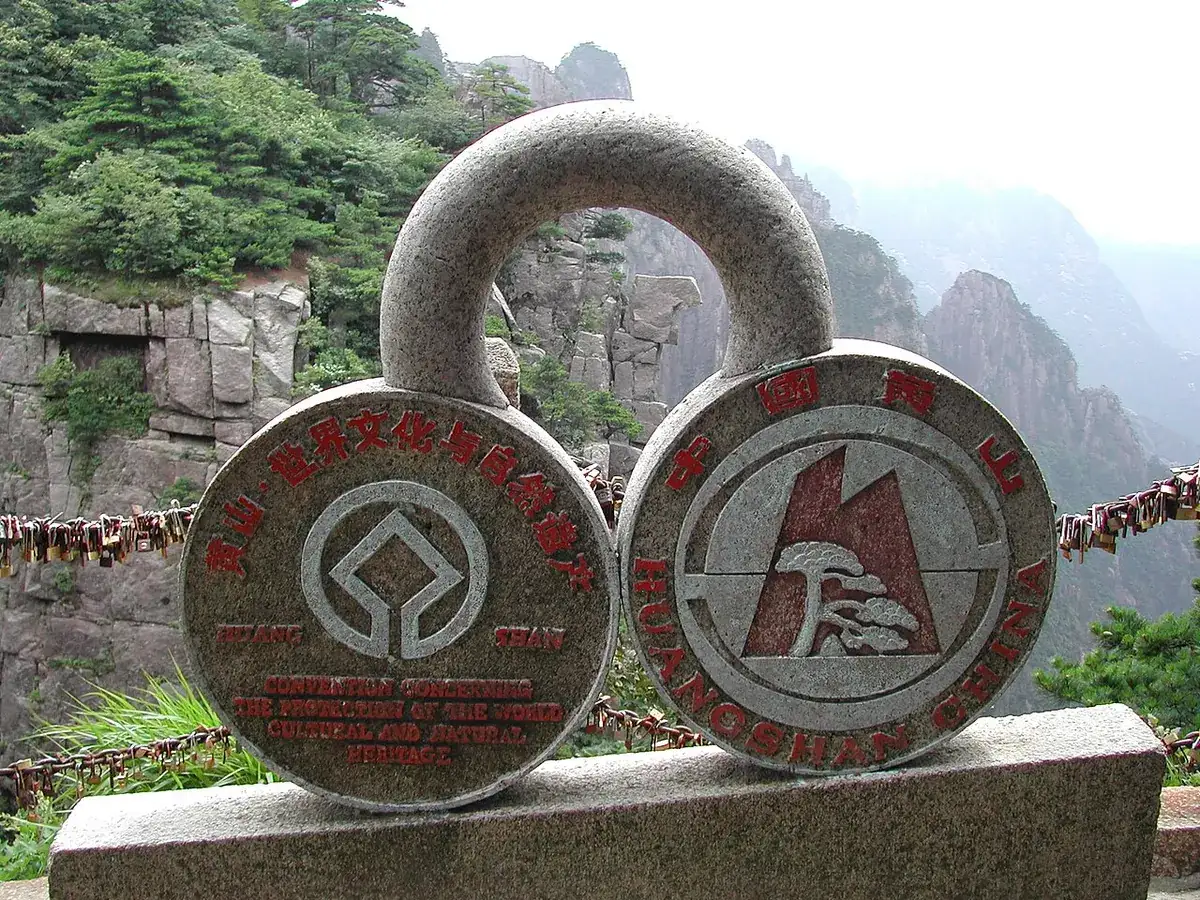
Must‑visit attractions and experiences begin with Mount Huangshan Scenic Area. As a dual UNESCO World Heritage site (natural and cultural), it has been celebrated by the saying: “After seeing the Five Sacred Mountains, no other mountains are worth seeing; after seeing Huangshan, the Five Sacred Mountains are no longer worth seeing.” Its “four wonders”—peculiar pines, grotesque rocks, seas of clouds, and hot springs—are world‑renowned. Plan at least two days and stay overnight on the mountain to have a chance to witness the spectacular sunrise and sunset. Second, visit the ancient villages of southern Anhui, represented by Xidi and Hongcun. Here, the focus of travel is “slow.” Stay in a traditional inn, stroll on the bluestone paths in the early morning or evening when tourists are few, and watch the reflections on South Lake and the Moon Pond to truly feel the tranquillity and depth of Huizhou culture. Third, experience a hike on the ancient Huizhou trails. Take the scenic section of the Huihang Ancient Trail, starting from Fuling Town in Jixi County, and retrace the stone‑paved mountain paths used by ancient Huizhou merchants on their trading journeys. Crossing the Changfeng Ridge and reaching Lin’an in Zhejiang, the route is about 15–20 kilometres, with magnificent scenery and a deep sense of the Huizhou merchant spirit. Fourth, explore Hefei’s science, technology, and humanities. Visit the Anhui Museum (new wing) and the Anhui Innovation Hall. The former provides an overview of Huizhou culture; the latter allows you to experience cutting‑edge technologies such as quantum communication and witness the remarkable convergence of ancient wisdom and modern innovation in Anhui.
Practical tips: Anhui cuisine tends to be savoury; visitors with milder palates can inform restaurants in advance. Most ancient villages have stone paths, so comfortable flat shoes are recommended. Mountain weather is changeable; even in summer, bring a light jacket for Huangshan. Many ancient villages, such as Hongcun, offer three‑day entry tickets, allowing in‑depth stays. In the southern Anhui mountains, especially when driving or hiking, it is important to check weather and road conditions; the rainy season can bring occasional landslides. In addition, dialects vary greatly; communicating with local elderly people in non‑core scenic areas may require patience and gestures. Anhui—a land that blends the boldness of the north with the elegance of the south—invites you to slow down and savour its richness.
Travel information can change. Check current opening hours, reservations and entry requirements before you travel.
Traveller discussion
Start the conversation with a helpful tip or a question.