CCTV.com News: As the new year begins, everything is renewed. While people are busy shopping for New Year's goods and planning their trips, some "invisible" new consumption spaces are quietly emerging and gaining momentum. During interviews, reporters discovered that in the planning of newly built communities in some western cities, local supply and marketing cooperatives are proactively expanding into underground spaces to create new types of supply and marketing markets and commercial complexes. What potential does this "tapping" of traditional supply and marketing cooperatives hold? What new services are being offered? Let's take a look at the reporter's "On-the-Spot Investigation."
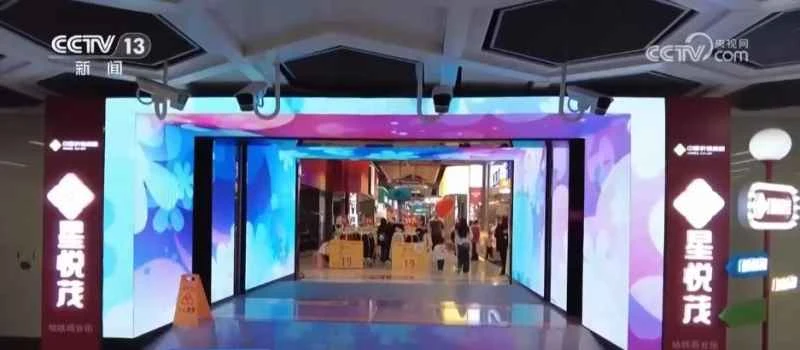
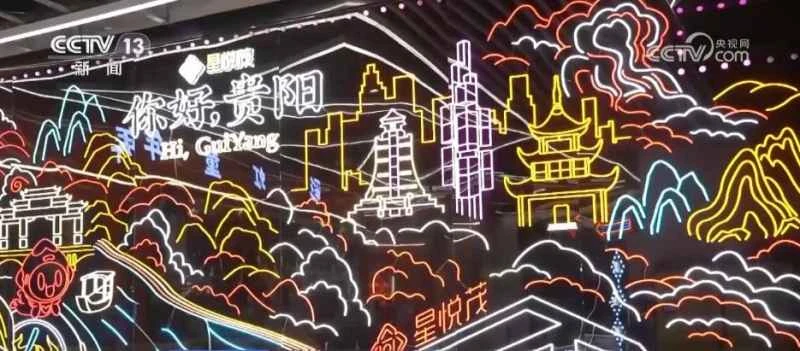
At the start of the new year, a reporter observed a bustling commercial street cleverly transformed from an underground transfer space in the underground passage of the Penshui Pool Station on Guiyang Metro Line 2. This 600-meter-long street, jointly developed by the China Supply and Marketing Trade and Circulation Group and the Yunyan District of Guiyang City, brings together more than 160 brands. During an interview at one of the shops, the reporter witnessed staff restocking and selling simultaneously, making it a one-stop shopping destination for people of all ages, especially young people.
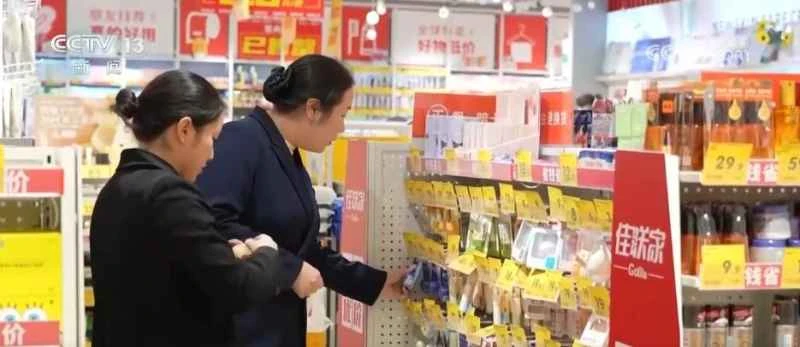
Guiyang is a city surrounded by mountains, with roads that rise and fall, many slopes and sharp bends. This unique topography has allowed the city to develop both upwards and downwards. It is precisely this spatial characteristic that has given rise to a corresponding business model. Reporters have observed that here, goods are becoming smaller, and multi-category "lightweight" items have become the lever to drive high-frequency consumption.
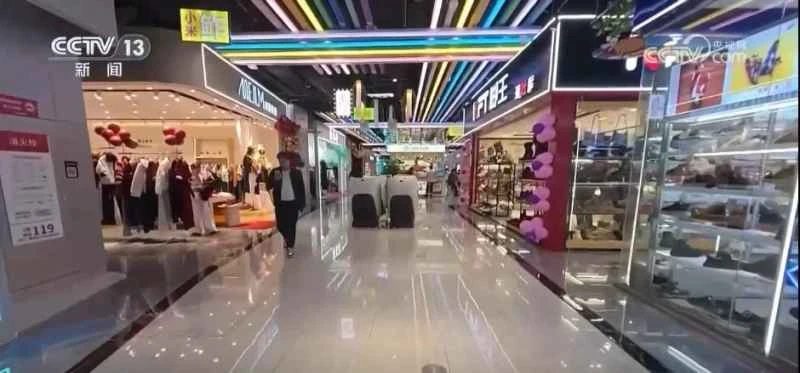
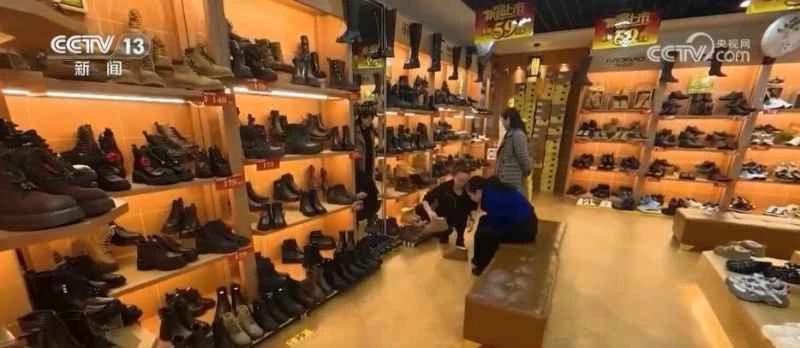
The reporter strolled around and found the 600-meter-long pedestrian street to be very down-to-earth. There were shops repairing mobile phones, applying screen protectors, cutting keys, altering trousers, and cutting hair, with each shop occupying just over ten square meters as a business space. Lamb rice noodles, pig intestine noodles, crispy pork rinds, and potato cakes were sold in every passageway, making it feel like an underground food festival. There were also new changes in consumption in outdoor clothing such as windbreakers, sun jackets, and hiking boots.
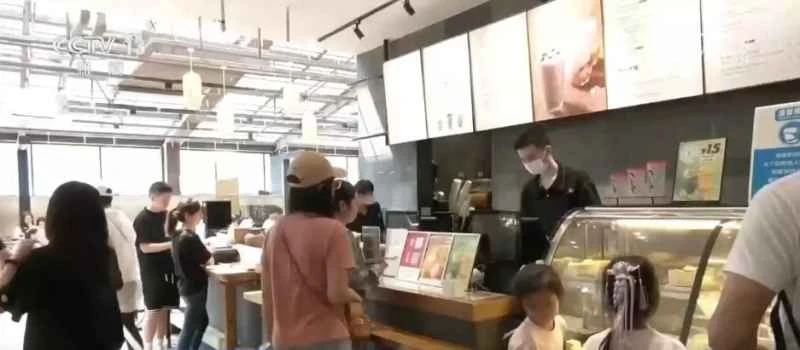
Reporters learned that with the rising popularity of hiking and scenic tours, Guizhou Province's tourism market as a whole showed a steady growth trend in 2025. Among them, Yunyan District of Guiyang City, where the underground shopping street is located, remained extremely popular, with total tourism revenue increasing by 25% year-on-year.
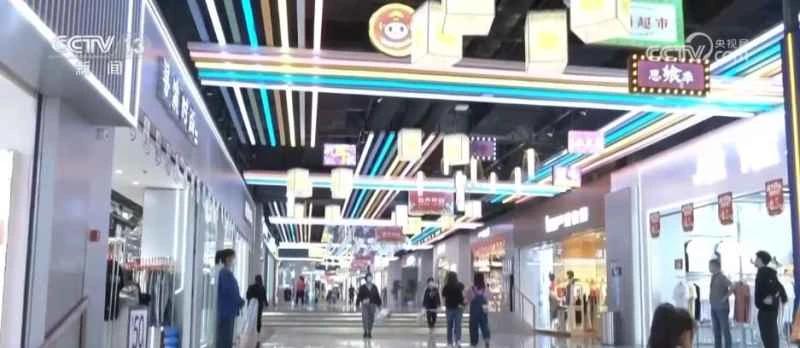
Wang Qian, District Mayor of Yunyan District, Guiyang City: We have made use of underground space and optimized its functions. The two commercial streets of Xingyuemao alone have added nearly 30,000 square meters of commercial area and created more than 4,000 jobs. At the same time, we have also upgraded and renovated the old underground water, electricity, ventilation, fire protection and other pipelines, realizing urban renewal.
Energy replenishment stations now exist along the "railway + supply and marketing" commuting route.
Convenience stores are being brought into the subway, transforming public transportation into cultural and creative hubs. In Nanchang, Jiangxi Province, the subway's convenience service network has been further expanded, with meticulously designed supply and marketing cooperatives providing citizens and tourists with the convenient service of "replenishing supplies as soon as they exit the station." Below, we continue to follow our reporter's lens to explore the Nanchang Bayi Square subway station.
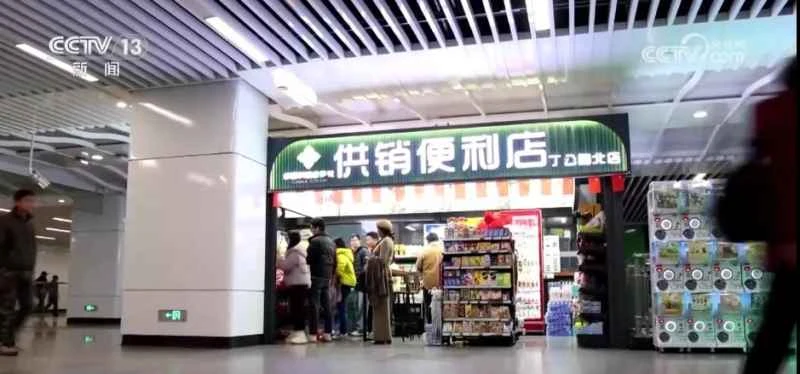
In Jiangxi, the excavation and utilization of underground space in urban renewal has also ushered in new opportunities. The Nanchang Municipal Supply and Marketing Cooperative has innovatively practiced the "metro + economy" model, deeply integrating the passenger flow advantages of rail transit with the service traditions of the supply and marketing cooperative system, and creating a number of "supply and marketing supermarkets" in subway stations.
The supply and marketing convenience store at Bayi Square Station adds a touch of cultural sophistication, with old-fashioned supply and marketing cooperative posters instantly creating a nostalgic atmosphere.
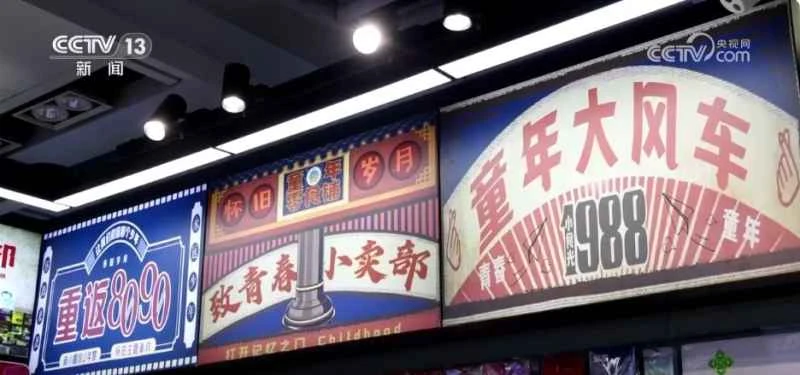
Across the country, businesses are developing with innovative approaches, with multiple departments, including transportation, supply and marketing, and culture and tourism, working together to create integrated scenarios that combine commerce, culture and tourism, and emergency response. A number of commercial facilities are being upgraded to dual-use spaces, serving both daily needs and emergency situations.
Zhu Yandong, head of China Supply and Marketing Trade and Circulation Group: During the 15th Five-Year Plan period, we plan to add 500,000 square meters of underground commercial space, establish rural revitalization zones through direct procurement and supply, and set up rotating exhibition booths for poverty-stricken counties. More importantly, we want to make underground commerce a new node connecting urban and rural areas, so that urban residents can buy affordable goods and farmers can expand their sales channels.
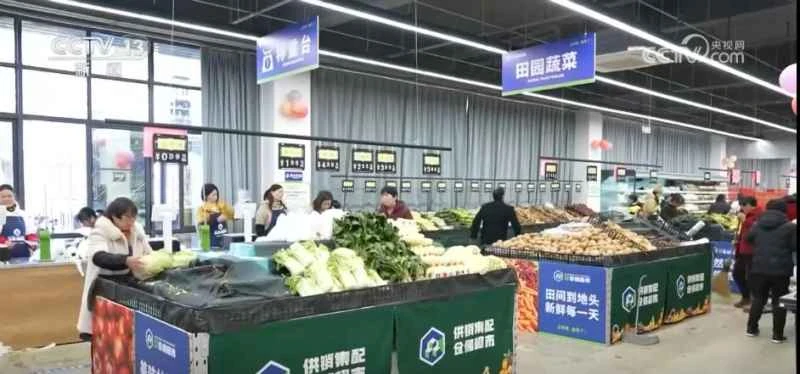
Currently, the supply and marketing cooperative system has built more than 3,400 urban and rural markets across the country, and is transforming from traditional outlets to a smart distribution network, becoming a two-way channel connecting urban and rural areas and promoting consumption, so as to better serve the new consumption needs of urban and rural residents.


