
[Sanfang Qixiang Guide] Explore Sanfang Qixiang in one article!
With its verdant lanes and upturned eaves, Sanfang Qixiang (Three Lanes and Seven Alleys) is a treasure trove of ancient houses, a "living fossil of the neighborhood system," a "museum of Ming and Qing architecture," and a "gathering place for modern celebrities." This guide encapsulates the authentic way to experience Sanfang Qixiang, including m…
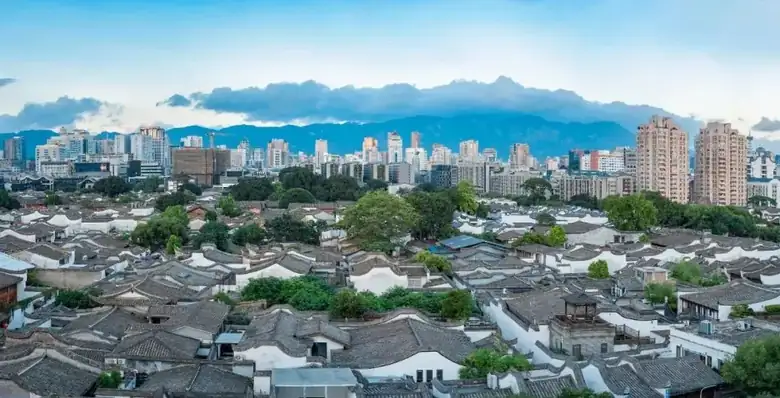
With its banyan trees lining the alleyways, and its upturned eaves, Sanfang Qixiang (Three Lanes and Seven Alleys) is renowned as a "living fossil of the neighborhood system," a "museum of Ming and Qing architecture," and a "gathering place for modern celebrities."
Hidden gems of traditional houses, must-visit spots, creative cultural products, authentic local cuisine, and traditional house-style guesthouses.
The authentic way to experience Sanfang Qixiang is condensed into this essential guide, so be sure to bookmark it!
The Three Lanes and Seven Alleys You Must Know
The Three Lanes and Seven Alleys originated in the Jin Dynasty, took shape in the Tang and Five Dynasties, and reached their peak in the Ming and Qing Dynasties. The ancient lane and alley layout has been basically preserved to this day, making it a "living fossil of the lane and alley system" that is the only remaining urban area in China.
The alleyway still preserves more than 200 ancient buildings from the Ming and Qing dynasties, including 15 national key cultural relics protection units, as well as a large number of provincial and municipal cultural relics protection units and historical buildings, making it a rare "Museum of Ming and Qing Architecture".
Sanfang Qixiang has been a place of valuing culture and education since ancient times, and is renowned for its outstanding people. From the late Qing Dynasty to the early Republic of China, many figures who had a significant impact on the modern history of China, such as Lin Zexu, Shen Baozhen, Yan Fu, and Lin Juemin, emerged from here, earning it the reputation of "a gathering place for modern celebrities." Shan Jixiang, the former director of the Palace Museum, once exclaimed: "Sanfang Qixiang is half of modern Chinese history."
Nanhou Street, the central axis of the Three Lanes and Seven Alleys, used to be a bustling hub with thirty-six shops selling everything from firewood and rice to daily necessities. There were also book printing shops, secondhand book stalls, and mounting shops catering to intellectuals. "Outside Zhengyang Gate is Liulichang, in front of Yijin Lane is Nanhou Street." This poem by Wang Guorui, a scholar who passed the imperial examination in the late Qing Dynasty, vividly depicts the past appearance of Nanhou Street.
A treasure trove of ancient houses you can't miss
Former residences of famous Ming and Qing dynasty architects
1. Lin Juemin and Bing Xin's Former Residence
Located at No. 17 Yangqiao Road, this is a national key cultural relics protection unit. The former residence was originally the home of seven families (including Lin Changmin) of Lin Juemin's ancestors. After Lin Juemin's martyrdom during the Guangzhou Uprising, the Lin family moved away to avoid persecution, and the house was sold to Bing Xin's grandfather, Xie Luan'en. The Xie family lived there until the 1950s. Bing Xin lived there when she was eleven or twelve years old.
Inside the former residence, you can also wear AR glasses to participate in the "Meet Lin Juemin" AR interactive experience. You can not only feel Lin Juemin's patriotism, but also learn about the touching story of "Letter to My Wife". Come and embark on a wonderful journey through time!
2. Yan Fu's Former Residence
Located at No. 20 Langguan Lane, it is a national key cultural relics protection unit. The residence is divided into two parts: the main building and the flower hall. The main building is a typical ancient Fuzhou residence, while the flower hall is a combination of Chinese and Western architectural styles from the late Qing Dynasty to the early Republic of China. The residence was built during the Tongzhi period of the Qing Dynasty, and has a history of more than 140 years.
3. Waterside Pavilion and Stage
Located at No. 4 Yijin Lane, this residence is a national key cultural relics protection unit. It was first built during the Wanli period of the Ming Dynasty and has a history of more than 400 years. The stage in the flower hall bears witness to the glory of Fuzhou opera. The stage is surrounded by water on three sides, separated by a courtyard in the middle, and faces the pavilion. It has good sound pickup and reflects the ingenuity of the ancients in every detail.
4. Little Yellow Building
Located at No. 36 Huangxiang Lane, it is a national key cultural relics protection unit. Originally built at the end of the Ming Dynasty, the existing residence was constructed by Liang Zhangju during the Daoguang period of the Qing Dynasty. After a century, it still retains the charm of "the moon shining over Huanglou and the waters of Yangqiao, illuminating the myriad spring blossoms of Zhongshan." The residence features carved beams and painted rafters, and includes gardens such as the Teng Hua Yin Guan (Wisteria Flower Pavilion), Xiao Canglang Pavilion, and Xiao Bi Lang (Cliffside Green Corridor), offering a unique and charming atmosphere.
5. Guo Baiyin's Former Residence
In Huangxiang Lane of Sanfang Qixiang, there is a residence that chronicles the glorious history of a family. It is the former residence of Guo Baiyin, which once caused a sensation in Fuzhou because of the "five sons passing the imperial examination". The ancient house is arranged in a straight line, with its eaves soaring into the sky, combining the architectural styles of the Ming and Qing dynasties.
-Attraction Ticket Prices-
Lin Juemin and Bing Xin's Former Residence (Admission: Free)
Yan Fu's Former Residence (Admission: 15 yuan/person)
Little Yellow Building (Admission: 20 yuan/person)
Waterside Stage (Admission: 20 yuan/person)
Guo Baiyin's Former Residence (Admission: 10 yuan/person)
-Ticket Purchase Location-
The visitor center of Sanfang Qixiang and the entrances to various paid attractions
Address: No. 139, Nanhou Street, Sanfang Qixiang, Gulou District, Fuzhou City
Telephone: 0591-87675791
Opening hours: 8:30-22:00
Sanfang Qixiang Community Information Point
Address: No. 8, Nanhou Street, Sanfang Qixiang, Gulou District, Fuzhou City
Telephone: 0591-83890057
Opening hours: 8:30-17:00
In addition, the Three Lanes and Seven Alleys also boast many unique themed exhibition halls, making them must-visit spots for locals and tourists alike! Even more themed exhibition halls await your discovery~
Fujian Folk Museum (Ermei Bookstore)
Fujian Provincial Intangible Cultural Heritage Expo Park (Ye Family Residence)
Fuzhou Maritime Silk Road Exhibition Hall (You Family Residence)
Must-visit spots when strolling through the alleys
Strolling along Nanhou Street, the most popular spot in the alleys this year is undoubtedly the "Love Tree." Take a photo here and let it tell you that even a tree in the alleys is shaped like a tree that loves you.
The Ancient House Blessing Cultural and Creative Research Institute brings new meaning to the stories of the alleyways, incorporating elements of Min culture, ancient architecture, and the Love Tree.
You can have the same mini heart-shaped tree in no time! Take a photo with the heart-shaped tree souvenir and create a unique memory of your trip to Sanfang Qixiang.
The newly popular photo spot "Goldfish Alley" features goldfish lanterns that symbolize good luck, wealth, and prosperity. The pronunciation of "fish" is similar to "abundance," implying a surplus year after year. The alley is less than 30 meters long. When you stroll here at night, you can look up and see goldfish lanterns of various shapes and lifelike forms hanging in the air.
The hanging goldfish lanterns resemble fish swimming in water, their shadows swaying and their colors shimmering, attracting tourists to take photos. This place has become a newly popular alley for taking photos.
Must-try foods in Fuzhou
What are some good places to eat in Sanfang Qixiang? This is definitely the question everyone wants to know most. Local specialties, century-old brands, and authentic Fuzhou flavors—you can't miss any of them.
Tongli Meat Swallow
A representative snack of Fuzhou, it is crystal clear like jade and has a chewy and delicious texture.
Address: No. 98, Nanhou Street
Yonghe Fish Balls
A century-old shop, a bite of fish ball, a taste of home.
Address: No. 89, Nanhou Street
Backstreet Lao Hua
A bowl of thin rice noodles, simmered in broth and topped with various condiments, is the authentic old Fuzhou street food.
Address: No. 95, Yadao Lane
Bai Bing Yuan
This is a place to buy traditional Fuzhou flavors such as peach shortbread and wedding cakes, and to preserve the culture of Fujian-style pastries in Fuzhou.
Address: No. 131, Nanhou Street
Beautiful and
Meiqieyou originated during the Xianfeng period of the Qing Dynasty. Its products, such as lard cake, red paper package, and peanut cake, are indispensable in the childhood memories of Fuzhou people.
Address: No. 58, Nanhou Street
Juchun Garden
Juchunyuan has a long history of making gift cakes and has won honors such as Chinese Famous Snack and Fuzhou Flavor Snack. You can buy all kinds of authentic Fuzhou snacks in one stop in the store.
Address: No. 45-47, Nanhou Street
Wenru No. 9 Fujian Cuisine Restaurant
In the quaint courtyard, they focus on cooking the most exquisite Fujian cuisine, such as stir-fried live crab with white rice cake, lychee pork with fried liver, and chicken soup with sea clams, each dish a masterpiece.
Address: No. 56, Wenru Lane
Juchunyuan Inn
The brand is renowned at home and abroad for its "Buddha Jumps Over the Wall," a top-rated dish in Fujian cuisine. The "Juchunyuan Buddha Jumps Over the Wall Cooking Technique" has been included in the second batch of national intangible cultural heritage lists.
Address: No. 13, Gong Lane
A must-stay traditional house
When visiting Fuzhou, if you want to stay in a local's house, Sanfang Qixiang (Three Lanes and Seven Alleys) is definitely the top choice. Staying in a courtyard meticulously designed by our ancestors and experiencing the most authentic ancient way of life—doesn't that sound incredibly appealing?
Shuxiang Wenru Hotel
Address: No. 50, Wenru Lane, Sanfang Qixiang
Booking: Trip Booking
As Fuzhou's first hotel themed around lacquerware, the hotel adorns every corner with Fuzhou's traditional treasure – lacquer art. Each piece carries its own sentiment, reflecting an enduring passion and a relentless pursuit… all carefully designed, arranged, and appreciated.
Juchunyuan Inn
Address: No. 22, Gongxiang Lane, Sanfang Qixiang
Booking: Trip Booking
The inn spans Gong Lane and Anmin Lane, with its north and south courtyards themed in Ming and Qing Dynasty and Republican-era styles, respectively. Stepping through the gate feels like stepping back a century, allowing us to fully appreciate the elegance of ancient dwellings. Although it's an inn, the guest rooms have a distinct Republican-era charm, and walking up the retro staircase gives one an illusion of traveling through time.
Anmin Banshe Hotel
Address: No. 30 Anmin Lane, Sanfang Qixiang
Booking: Trip Booking
Nestled amidst alleyways and lanes, a treasure trove of beauty awaits. Anmin Banshe, a luxury resort hotel dedicated to the art of the guqin (a seven-stringed zither), is situated in the former Zeng family residence within the Three Lanes and Seven Alleys. The guest rooms are named after the sounds of the guqin, and the design follows a sustainable aesthetic with textured details. The space is designed using the sounds of the guqin for naming and connecting different areas, while the content emphasizes refined elegance and beauty.
Mei Xi Yue She Hotel
Address: No. 49, Ta Lane
Booking: Trip Booking
The lush greenery isolates the city from the noise, creating an atmosphere of tranquility amidst the bustling city. Walking along the blue brick path, you'll find ancient buildings with intricate carvings on both sides, as if you've stepped into a bustling market in ancient times.
Sanfang Qixiang (Three Lanes and Seven Alleys) Transportation Guide
Bus routes
① Sanfang Qixiang (Shuangpaoqiao) Station (North Side), served by the following bus routes: 5, 18, 22, 27, 55, 61, 66, 75, 118, 128, 301, 317, and 327;
② Sanfang Qixiang (Shuangpaoqiao) Station (south side), served by buses: 18, 22, 27, 61, 66, 101, 118, 301, and 327;
③ Sanfang Qixiang (Macau Road) Station: Accessible to the south entrance of Nanhou Street (near Macau Road), served by bus routes 339, 356, and 7686 (Ancient House Special Line);
④ Yijinfang Station, Wenrufang Station, and Guanglufang Station: These stations provide access to Yijinfang, Wenrufang, and Guanglufang respectively. Bus routes passing through these areas include 27, 54, 70, and 339. ⑤ Nanjie Station: This station provides access to Langguan Lane, Anmin Lane, Huang Lane, Ta Lane, Jibi Lane (Road), and Gong Lane. Bus routes passing through these areas include 1, 8, 20, 20 (night bus), 66, 101, 117, 121, and 356.
subway lines
① North entrance of Nanhou Street (near Daming Road): Take Metro Line 1 or Line 4 to Dongjiekou Station, exit from Exit C, and walk 400 meters along Yangqiao East Road to reach the destination.
② South entrance of Nanhou Street (near Macau Road): Take Metro Line 1 or Line 2 to Nanmendou Station, exit from Exit A1, and walk 600 meters along Daoshan Road and Macau Road to reach the destination.
Of course, the treasures of Sanfang Qixiang are far more than these.
Everyone has their own favorite "neighborhood map".
We look forward to meeting you here and telling you about your new adventures in Sanfang Qixiang.
Travel information can change. Check current opening hours, reservations and entry requirements before you travel.

Traveller discussion
Start the conversation with a helpful tip or a question.