CCTV News (News Broadcast): At the beginning of the new year, my country's scientific and technological innovation is accelerating towards the "four poles," striving to "expand to the macro level, delve into the micro level, move towards extreme conditions, and integrate and cross over to the extreme," constantly breaking through the boundaries of human cognition and consolidating the foundation for scientific and technological self-reliance.
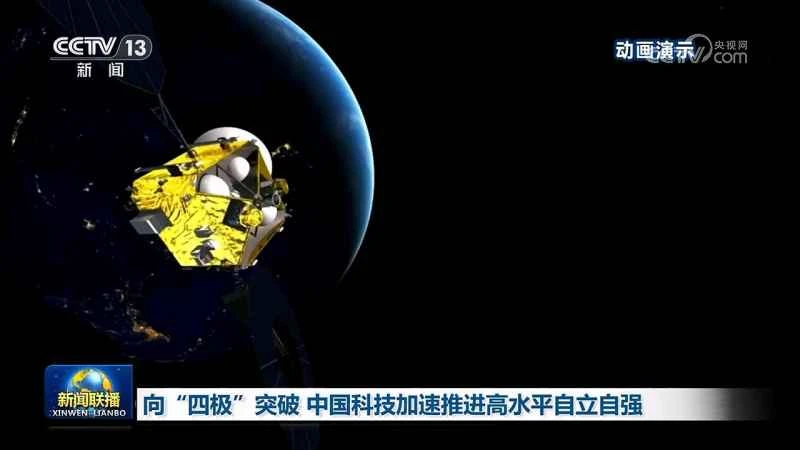
At the Lunar and Deep Space Exploration Science Application Center of the National Astronomical Observatories, the research team is receiving scientific data from Tianwen-2, located more than 40 million kilometers away, and ensuring its stable operation. In 2026, Chinese scientists will further expand their vision to the extreme macroscopic realm, with the Chang'e-7 probe making its first journey to the lunar south pole. The 50-meter antenna currently under construction in Miyun, Beijing, has entered a critical stage of debugging and will participate in the data reception mission of the Chang'e-7 probe after completion.
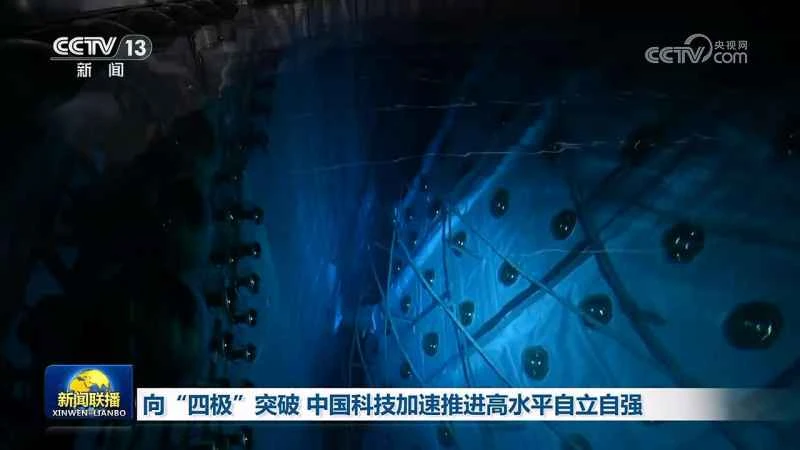
Delving deeper into the microscopic realm, my country has deployed a number of key scientific research projects in fields such as quantum technology, particle physics, life sciences, and nanotechnology. At a depth of 700 meters underground in Jiangmen, Guangdong, the Jiangmen Neutrino Experiment Facility, after releasing its first results, is now conducting a new round of experiments to collect data and explore the mysteries of neutrinos, ancient particles in the universe. Meanwhile, Asia's first "advanced attosecond laser facility" is under accelerated construction; upon completion in 2029, it will enable direct observation of electron motion, providing support for cutting-edge research and industrial applications in physics, chemistry, materials science, and other disciplines.
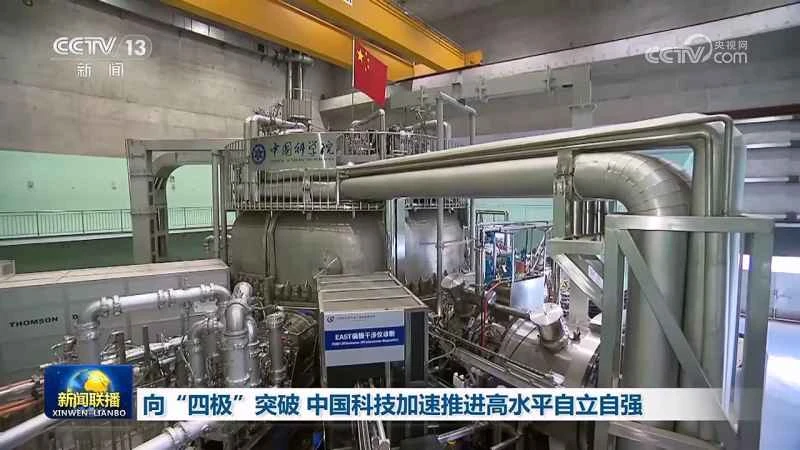
Extreme environments serve as a touchstone for technological innovation, and my country has achieved a series of key breakthroughs through continuous research under extreme conditions such as the deep sea, high altitudes, and polar regions. In the new year, we move towards even more extreme conditions. After setting a world record of 100 million degrees Celsius per second, the "artificial sun" is undergoing upgrades and will begin a new round of experiments in the spring of 2026.
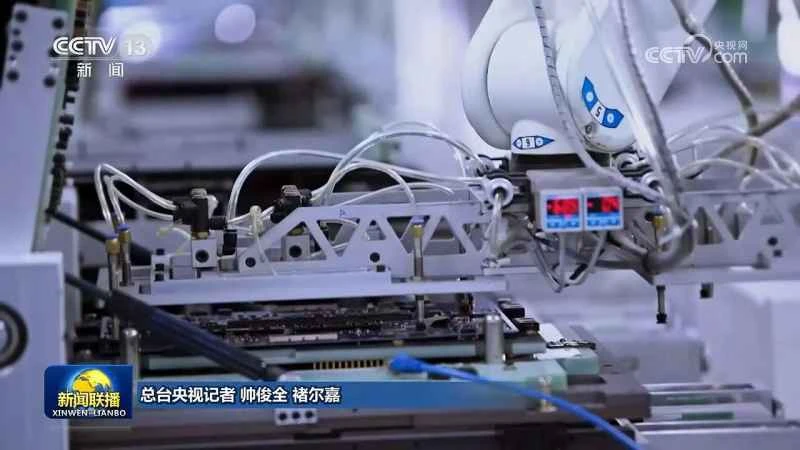
In 2026, interdisciplinary integration is becoming an important driving force for accelerating scientific and technological innovation. The combination of artificial intelligence and life sciences can efficiently predict protein structures, helping to develop new drugs; the cross-integration of materials science, clinical neuroscience and engineering technology is expected to bring new breakthroughs in brain-computer interface technology.
Looking ahead to the 15th Five-Year Plan period, breakthroughs in China's science and technology in the "four poles" will generate more original and disruptive achievements, injecting new momentum into building a science and technology powerhouse.