
Urumqi
乌鲁木齐市
Origin of the name: From Mongolian, "Hongmiaozi" means "beautiful pasture" in Uyghur. International Grand Bazaar Basic Introduction: Urumqi is the capital of the Xinjiang Uyghur Autonomous Region and the political, economic, and cultural center of the region. Located on the northern slope of the central Tianshan Mountains and the southern edge of …
Origin of place name:
The Mongolian word "Hongmiaozi" means "beautiful pasture" in Uyghur.
Basic introduction:
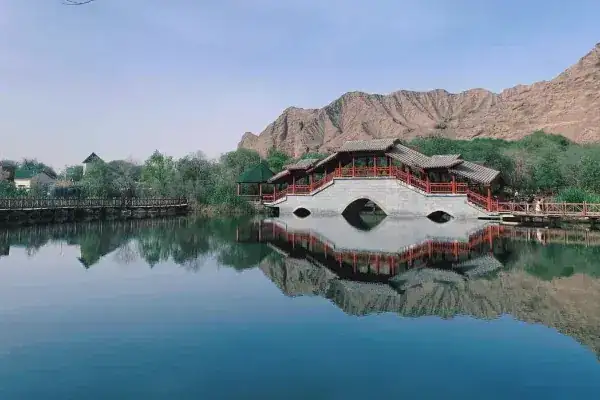
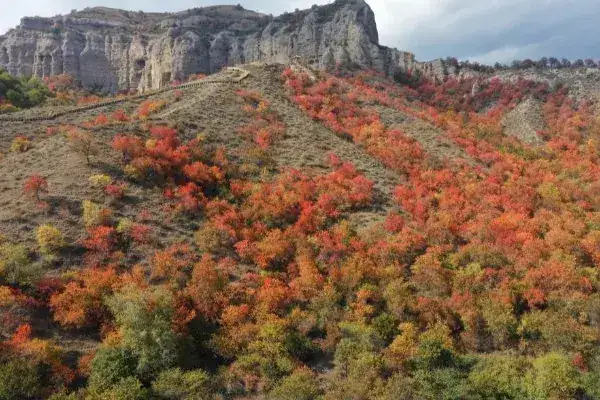
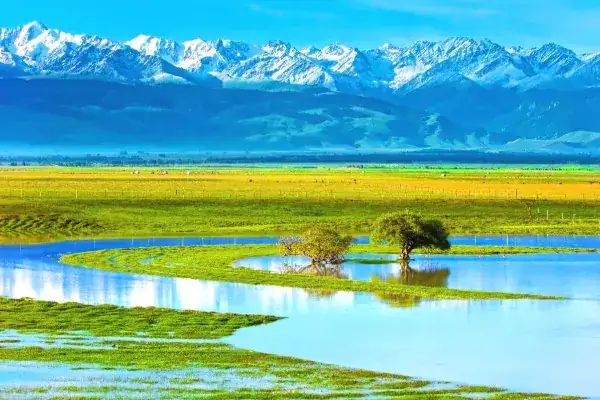
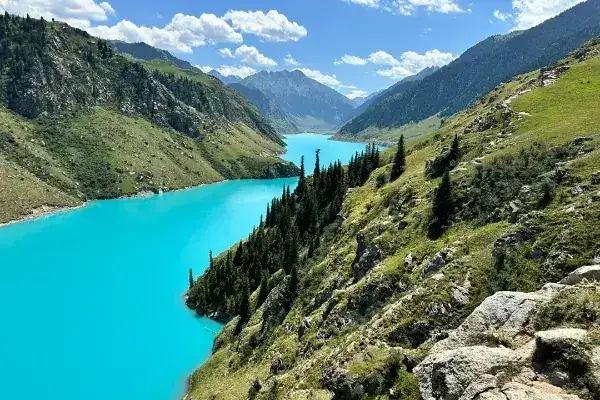
Urumqi is the capital of the Xinjiang Uygur Autonomous Region and the political, economic, and cultural center of the region. Located on the northern slope of the central Tianshan Mountains and the southern edge of the Junggar Basin, it is the city farthest from the ocean in the world. The famous geographical center of Asia is located 30 kilometers south of Urumqi. Urumqi, in ancient Junggar Mongolian, means "beautiful pasture." Urumqi boasts magnificent natural landscapes and rich cultural landscapes with distinctive regional ethnic characteristics. The renowned Dabancheng, the enchanting Tianchi Lake, the captivating geographical center of Asia, the No. 1 Glacier (a "living fossil"), and the scenic Nanshan Natural Pasture, Gangou Chrysanthemum Terrace, and Baiyanggou Waterfall are all popular tourist destinations for visitors from home and abroad. Hongshan Mountain, standing in the city, is a symbol of Urumqi; from its summit, one can enjoy panoramic views of the entire city. Major revolutionary sites and memorials include the Eighth Route Army's Xinjiang Office, the former residence of martyr Mao Zemin, the former site of the Western Route Army of the Chinese Workers' and Peasants' Red Army, and the Urumqi Revolutionary Memorial Hall.
View detailed information about Urumqi >>
Honors Ranking:
In August 2026, it was designated as one of the second batch of pilot cities for innovation and upgrading of the national retail industry.
In July 2026, it was designated as a tourism hub city in the "15th Five-Year Plan for Building a Tourism Power".
In May 2025, it was selected as a key city for inbound tourism in the "15th Five-Year Plan for Building a Tourism Power".
In March 2026, it ranked 48th among China's top 100 cities.
In January 2026, it ranked 28th in the overall ranking of overseas online communication influence of Chinese mainland cities in 2025.
In December 2025, it was named as the twelfth batch of national demonstration zones for ethnic unity and progress.
In November 2025, it ranked 30th on the 2025 list of Chinese cities with international influence.
In September 2025, it ranked 70th among the top 100 smart cities in China (SMILE Index).
In September 2025, it ranked 63rd on the list of the top 100 cities in the digital economy in 2025.
View more honors and rankings of Urumqi City >>
Historical background:
During the Han Dynasty, it was the territory of Beilu and Jieguo, belonging to the rear part of Cheshi, and under the jurisdiction of the Protectorate of the Western Regions and the Wuji Commandant.
Jin was subordinate to the Tiele.
During the Sui Dynasty, it belonged to the Western Turks.
During the Tang Dynasty, Luntai City was established and placed under the jurisdiction of the Beiting Protectorate.
During the Song Dynasty, it was under the jurisdiction of the Gaochang Uyghur Kingdom.
It belonged to the Marshal's Mansion of Beshibali.
During the Ming Dynasty, it was the nomadic territory of the Oirat Mongols and Khoshut tribe.
In the early Qing Dynasty, it was occupied by the Dzungar tribe of the Oirat Mongols.
In the 23rd year of the Qianlong Emperor's reign (1758), an earthen city was built in the Nanguan area; in the 25th year (1760), the Tongzhi of Urumqi was established, under the jurisdiction of Anxi Circuit; in the 30th year (1765), a new city was built by connecting the northern wall of the earthen city, named Dihua, commonly known as Hancheng, and also called Hongmiaozi; in the 36th year (1771), Urumqi was established.
View detailed historical evolution of Urumqi >>
Travel information can change. Check current opening hours, reservations and entry requirements before you travel.
Traveller discussion
Start the conversation with a helpful tip or a question.