
Place names and administrative divisions of Qinghai Province
青海省地名与行政区划
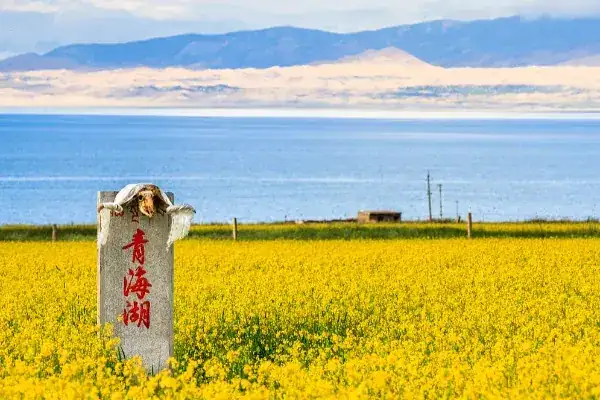
Origin of the name Qinghai Province: Qinghai is named after Qinghai Lake, the largest inland saltwater lake in China, located within its borders. It is abbreviated as "Qing". Qinghai Province is located in western China, situated in the northeastern part of the Qinghai-Tibet Plateau, the roof of the world. Qinghai is the source of the Yangtze, Yel…
Origin of the name Qinghai Province: Qinghai is named after Qinghai Lake, the largest inland saltwater lake in China, which is located within its borders. It is abbreviated as "Qing".
Qinghai Province is located in western China, situated in the northeastern part of the Qinghai-Tibet Plateau, the roof of the world. Qinghai is the source of the Yangtze, Yellow, and Lancang Rivers, hence its name "Source of Rivers" or "Three Rivers Source," and is renowned as the "Water Tower of China." Geographically, Qinghai Province lies between 89°24′3″ and 103°4′10″ east longitude and 31°36′2″ and 39°12′45″ north latitude, with an east-west length of 1240.6 kilometers and a north-south length of 844.5 kilometers. The province covers a total area of 722,300 square kilometers, accounting for one-thirteenth of China's total area, ranking fourth among all provinces, municipalities, and autonomous regions in terms of area, after Xinjiang, Tibet, and Inner Mongolia. Qinghai borders Gansu Province to the north and east, Xinjiang Uygur Autonomous Region to the northwest, Tibet Autonomous Region to the south and southwest, and Sichuan Province to the southeast.
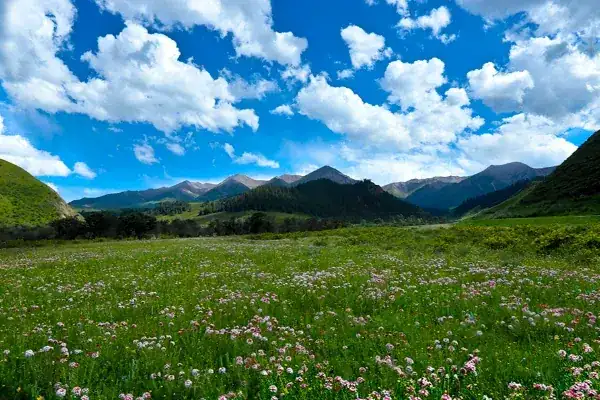
Whether traveling to Xinjiang, Tibet, Dunhuang, or Lhasa, Qinghai is a must-pass destination for tourists heading to western China. Much of the land there is Gobi Desert and snow-capped mountains, unsuitable for human habitation. However, Qinghai boasts abundant cultural and geographical resources, and remains a paradise for mountaineers and a haven for the brave.
Qinghai Province has a vast territory and abundant resources, with great development potential. Among them, hydropower, salt lakes, non-ferrous metals, flora and fauna, and tourism resources occupy a very important position in China.
Travel information can change. Check current opening hours, reservations and entry requirements before you travel.

Traveller discussion
Start the conversation with a helpful tip or a question.