
Place names and administrative divisions of Beijing
北京市地名与行政区划
The origin of the name Beijing: During the Warring States period, it was called Ji, the capital of the Yan state, one of the "Seven Warring States". The Liao Dynasty called it Yanjing. The Jin Dynasty renamed it Kyoto. The Yuan Dynasty called it Dadu. During the Ming Dynasty, Zhu Yuanzhang renamed it Beiping, and Emperor Yongle renamed it Beijing.…
Origin of the name Beijing: During the Warring States period, it was called Ji, the capital of the Yan state, one of the "Seven Warring States". The Liao Dynasty called it Yanjing. The Jin Dynasty renamed it Kyoto. The Yuan Dynasty called it Dadu. During the Ming Dynasty, Zhu Yuanzhang renamed it Beiping, and Emperor Yongle renamed it Beijing. Its abbreviation is Jing.
Beijing, abbreviated as "京", is the capital of the People's Republic of China, the country's political and cultural center, and a world-renowned ancient capital and modern international city. Located at 39°56′N, 116°20′E, Beijing lies in the northern part of the North China Plain, bordering Tianjin Municipality to the east and Hebei Province to the rest of the country.
Beijing is such a city, a city that will still attract you even if you never leave it in your entire life, a city that will never disappoint you, and a city that will never leave you feeling lonely!
A vast urban area, blending ancient charm with modern urban prosperity, stretches southeastward across a broad plain. The Taihang and Yanshan Mountains, winding and guarding the northwest of the city, contribute to Beijing's unique allure. Garden ruins, ancient temples, and imperial tombs imbue Beijing with a profound cultural heritage; towering cliffs, winding valleys, and cascading waterfalls lend the city a mystical air; while bustling pedestrian streets and numerous commercial districts add modern vitality to this ancient city. Beijing, historically the capital of several dynasties, boasts magnificent imperial palaces, gardens, temples, tombs, and other ancient buildings that, despite centuries of weathering, remain orderly and well-arranged, a testament to the former imperial grandeur.
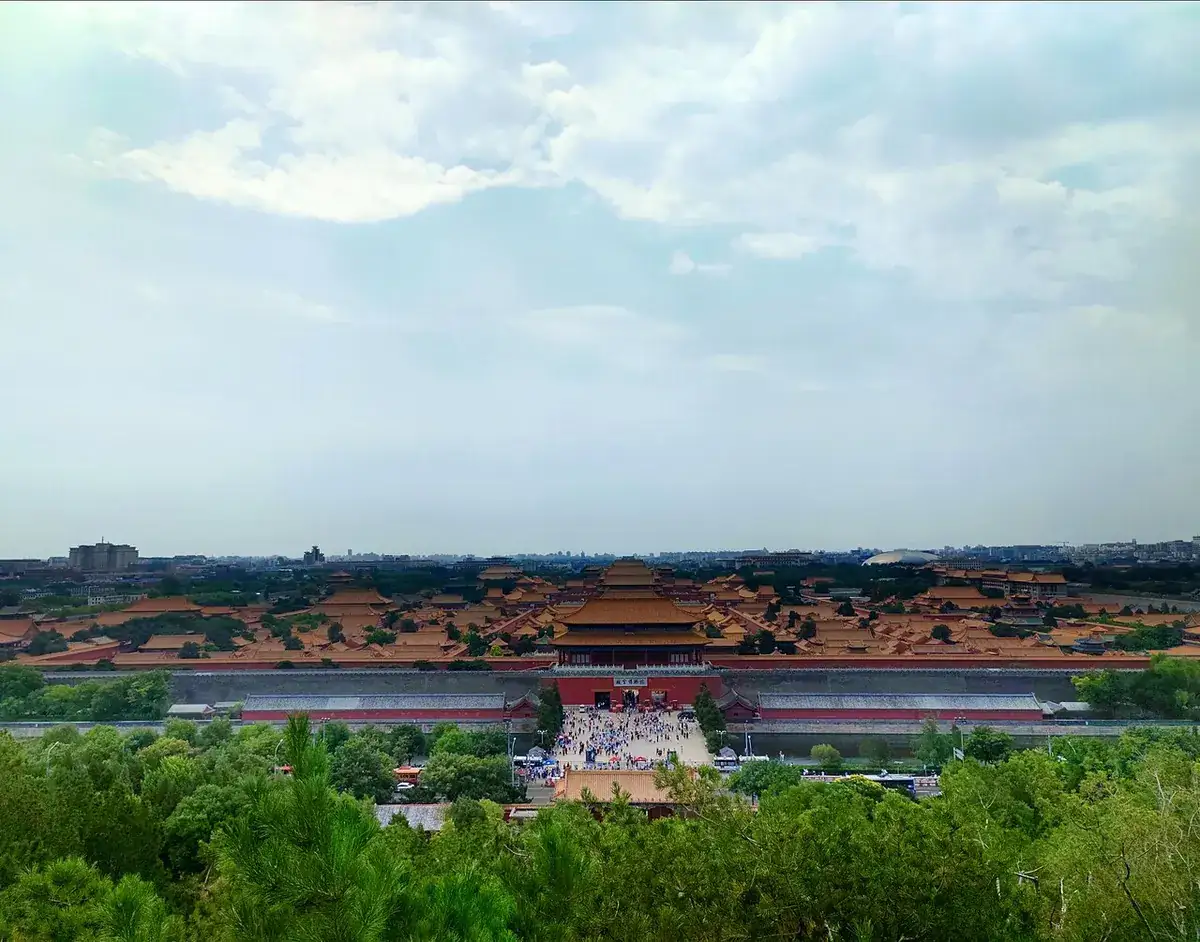
The Forbidden City (also known as the Imperial Palace) is the premier palace complex in Beijing. It is the largest existing palace complex in my country and even the world. Originally the imperial palace of the Ming and Qing dynasties, its architecture is typical of classical Chinese style and is one of my country's most precious cultural and artistic treasures. The Summer Palace combines the exquisite beauty of the water towns of southern China with the grandeur of northern gardens. With its green mountains and clear waters, the scenery is delightful and enjoys a high reputation in the history of gardens both in China and abroad. The Temple of Heaven is the largest existing ancient sacrificial building complex in my country and a precious heritage of world architectural art. It was where the emperors of the Ming and Qing dynasties "worshipped heaven" and "praied for good harvests." It has a complete layout and a beautiful environment. The Ming Tombs are the largest ancient tomb complex in Beijing, containing the tombs of 13 emperors of the Ming Dynasty, with the Dingling Tomb being the most magnificent.
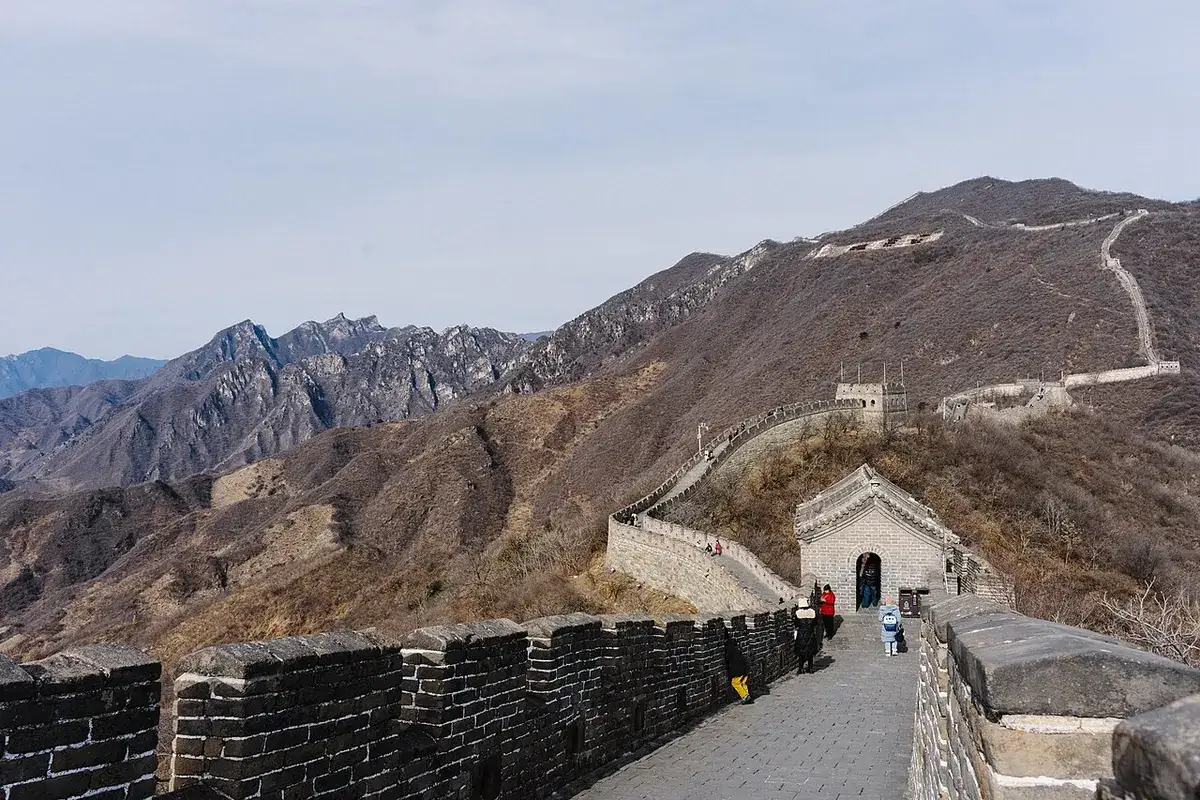
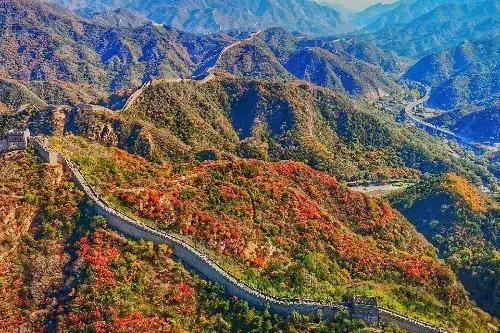
The magnificent Great Wall is a rare ancient military defense project in the history of human architecture. It is renowned for its long history, massive scale, and majestic grandeur. It has been listed as a UNESCO World Heritage Site and is one of the Eight Wonders of the World. Beijing's religious buildings are also famous, including the Biyun Temple, a famous Buddhist site; the Baiyun Temple, a Taoist site; the Yonghe Temple, a religious site; and the Niujie Mosque, an Islamic site. Tiananmen Square in front of the Forbidden City can accommodate 1 million people and is the world's largest city center square. Its buildings are magnificent and its grandeur is extraordinary.
Travel information can change. Check current opening hours, reservations and entry requirements before you travel.
Traveller discussion
Start the conversation with a helpful tip or a question.