
Heilongjiang
HeilongjiangProvincial OverviewHeilongjiang Province is located in northeastern China. It is China's northernmost province and the one situated at the country's highest latitude. The province also shares a long land and river border with Ru
Heilongjiang
Provincial Overview
Heilongjiang Province is located in northeastern China. It is China's northernmost province and the one situated at the country's highest latitude. The province also shares a long land and river border with Russia. The Ergun River, the Heilong (Amur) River, and the Ussuri River form a continuous natural boundary stretching from the northwest through the north to the east, defining more than 3,000 kilometers of the Sino-Russian frontier. Mountain ranges including the Greater Khingan Mountains, Lesser Khingan Mountains, Zhangguangcai Range, and Laoye Range form vast ecological barriers across the west, north, and south, while the Songnen Plain and the Sanjiang Plain spread between them. Their fertile black soil has made Heilongjiang one of China's most important commercial grain-producing regions. Covering approximately 473,000 square kilometers with a permanent population of around 31.85 million (Seventh National Population Census), the province is often described by the traditional expression "five parts mountains, one part water, one part grassland, and three parts farmland," reflecting its distinctive natural landscape.
Administratively, Heilongjiang is one of China's 23 provinces. It governs 12 prefecture-level cities and one administrative region (Daxing'anling Prefecture), with Harbin serving as the provincial capital. The province is known by several nicknames, the most famous being "The Great Northern Granary" (Beidacang), a title that evolved from "The Great Northern Wilderness" (Beidahuang) to commemorate the massive land reclamation campaigns that transformed vast wilderness into fertile farmland beginning in the 1950s. Owing to its spectacular winter scenery and internationally renowned ice sculpture festivals, Heilongjiang is also celebrated as "China's Crown of Ice and Snow." Its official abbreviation, "Hei" (黑), is derived directly from the Heilong (Amur) River, the province's namesake.
Economically, Heilongjiang has developed a complementary urban system with a clear primary center and a secondary center. Harbin, located in the southern part of the province along the Songhua River, serves as the political, economic, cultural, educational, transportation, and international exchange center of Heilongjiang, as well as the largest metropolitan area in northern Northeast China. Qiqihar, situated on the Nenjiang Plain, is known both as "China's City of Steel and Machinery" and "The Capital of Green Food," serving as an important national center for heavy equipment manufacturing and animal husbandry. Daqing, positioned between Harbin and Qiqihar along the Harbin–Daqing–Qiqihar Industrial Corridor, is world-famous for its petroleum and petrochemical industries and remains one of the province's principal economic pillars. In eastern Heilongjiang, Mudanjiang functions as an important gateway for border opening and trade with Russia and is strongly influenced by Russian culture. Heihe, in the north, faces the Russian city of Blagoveshchensk across the Heilong (Amur) River, making the two the closest pair of neighboring cities along the Sino-Russian border. Yichun, known as the "Forest Capital," is nestled within the vast forests of the Lesser Khingan Mountains and plays a vital role in ecological conservation and forest tourism. Together, these cities form a diverse and complementary provincial economy.
---
Historical Development
Human civilization in the Heilongjiang River Basin dates back to ancient times. During the pre-Qin period, the region was inhabited by peoples such as the Sushen and the Donghu, who primarily relied on hunting and fishing. In the late seventh century, the Sumo Mohe people established the Kingdom of Bohai, often referred to as the "Prosperous Kingdom of the East Sea." Its capital, Shangjing Longquanfu, was located in present-day Ning'an near Mudanjiang. Magnificent in scale and designed after the Tang capital of Chang'an, it was one of the largest cities in Northeast Asia at the time. In the early twelfth century, the Jurchen Wanyan clan rose to power and founded the Jin Dynasty, establishing Shangjing Huining Prefecture in today's Acheng District of Harbin. This became the birthplace of a new imperial dynasty, where the Jurchen script and the Mouke-Meng'an military-administrative system were first developed. During the Yuan and Ming dynasties, administrative institutions such as the Water Tatars Route (Shuidada Route) and the Nurgan Regional Military Commission maintained loose indirect control over these vast territories on behalf of the central government.
The Qing Dynasty marked the decisive period during which Heilongjiang became a defined frontier province. In the early Qing era, the imperial government established the office of the Heilongjiang Military Governor (Heilongjiang Jiangjun), initially headquartered in the old city of Aigun on the eastern bank of the Heilong River before later relocating to Qiqihar. It was during this period that the region officially adopted the name "Heilongjiang." The Treaty of Nerchinsk (1689) established the eastern section of the Sino-Russian border. However, the Treaty of Aigun (1858) and the Convention of Peking (1860) resulted in China's loss of approximately one million square kilometers of territory north of the Heilong River and east of the Ussuri River, leaving the Heilongjiang River as a border river from that point on. Toward the end of the Qing Dynasty, restrictions on settlement in the imperial homeland were lifted, triggering the massive migration known as "Chuang Guandong" (Crossing into the Northeast)." Tens of millions of migrants from North China poured into the region, where Han, Manchu, Mongol, Hui, and other ethnic groups settled together, rapidly expanding cultivated farmland and laying the foundation for Heilongjiang's modern agricultural landscape.
Between 1898 and 1903, the construction of the Chinese Eastern Railway dramatically accelerated Heilongjiang's modernization. The railway stretched across the province from Manzhouli to Suifenhe, with a southern branch extending from Harbin to Lüshun (Port Arthur). During this period, Harbin transformed almost overnight from a cluster of fishing villages along the Songhua River into a thriving international commercial city. More than twenty countries established consulates there, while Russian, Jewish, Polish, and many other immigrant communities built churches, banks, factories, and concert halls, leaving behind a unique urban landscape rich in European architectural influences. Cities including Qiqihar, Mudanjiang, Suifenhe, and Manzhouli also experienced rapid development along the railway corridor.
Following the Mukden Incident in 1931, Heilongjiang fell under Japanese occupation and became part of the puppet state of Manchukuo. The occupying authorities developed mines and industrial facilities while exploiting forced labor and promoting large-scale settlement through the so-called Japanese Pioneer Groups. After Japan's surrender in 1945, Heilongjiang returned to Chinese administration and became an important rear base during the Chinese Civil War. Harbin was notably one of the first major Chinese cities to be liberated.
Following the founding of the People's Republic of China in 1949, Heilongjiang entered a new era of planned industrial development. During the First Five-Year Plan, major heavy industries and defense enterprises—including Harbin Electric Corporation and China First Heavy Industries in Qiqihar—were established with national strategic support. In 1960, the discovery and development of the Daqing Oilfield transformed China from a country perceived as lacking petroleum resources into a major oil producer. The legendary "Iron Man Spirit," inspired by model worker Wang Jinxi, became forever associated with the province. At the same time, the large-scale development of the Beidahuang region reached its peak through the efforts of demobilized soldiers and educated youth sent to the countryside. Hundreds of state farms established under the Heilongjiang State Farms Administration transformed the vast wilderness into one of China's most productive agricultural regions, securing the country's food supply.
Today, Heilongjiang preserves numerous historical and cultural landmarks. The ruins of Shangjing Longquanfu, capital of the Bohai Kingdom, and the remains of Shangjing Huining, the first capital of the Jin Dynasty, are both designated as Major Historical and Cultural Sites Protected at the National Level. The Aigun History Museum documents China's modern history of territorial change and national resistance, while Harbin's Saint Sophia Cathedral, Central Street, and Yiyuan Street remain enduring symbols of the multicultural heritage brought by the Chinese Eastern Railway era.
Culture
Heilongjiang is one of China's most culturally diverse provinces. It is home to 49 officially recognized ethnic groups, including the Han, Manchu, Korean, Mongolian, Hui, Daur, Xibe, Evenki, Oroqen, and Hezhen peoples. Many of the province's indigenous ethnic minorities—particularly those with relatively small populations—have preserved distinctive traditional cultures that remain deeply rooted in their ancestral way of life. Linguistically, Northeastern Mandarin is spoken throughout the province. The Harbin dialect, belonging to the Ha-Zhao subgroup, and the Qiqihar dialect, representing the Hei-Song subgroup, are characterized by their crisp pronunciation, lively intonation, and expressive vocabulary. Common expressions such as laoke (to chat), gulu (to roll), and moji (to procrastinate or dawdle) have long entered everyday spoken Chinese across the country.
In Heilongjiang's folk traditions, snow and fire stand as two enduring cultural symbols. The Hezhen people, northern China's only ethnic group whose traditional livelihood centers primarily on fishing, have lived for generations along the Ussuri River. Dog sledding, eating raw freshwater fish, and wearing garments made from fish skin remain iconic elements of their heritage. Their epic oral storytelling tradition, Yimakan, has been inscribed on UNESCO's List of Intangible Cultural Heritage in Need of Urgent Safeguarding. Deep within the Greater Khingan Mountains, the Oroqen people have historically depended on hunting and are renowned for their exquisite birch-bark craftsmanship. Their Gulunmuta Festival is a vibrant celebration featuring bonfires, singing, dancing, horse racing, wrestling, and festivities that continue throughout the night. The Daur people preserve their own unique traditions as well, including the Lurigeler Dance and Beikuo, a traditional stick-and-ball game similar to field hockey.
The interaction between Han migrant culture and the traditions of the province's indigenous peoples has given rise to a rich array of local performing arts. Northeast Errenzhuan, one of Northeast China's best-known folk performance genres, flourishes throughout Heilongjiang. Combining humorous dialogue, singing, and dance, it is celebrated for its earthy language, humorous and bold style, making it an enduring symbol of the region's vibrant folk culture. Northeast Yangko, famous for its spirited movements and colorful props, is another beloved tradition commonly performed during festivals in village squares and public plazas. In the field of visual arts, Beidahuang Woodblock Prints have become one of the three major schools of modern Chinese woodblock printmaking. Using multicolored woodblock techniques, these works often depict expansive farmlands, busy harvest scenes, and pioneering agricultural machinery, conveying both the grandeur of Heilongjiang's landscape and the pioneering spirit of land reclamation. Another artistic innovation, Ice-and-Snow Landscape Painting, originated in Heilongjiang. By exploiting the chemical interaction between alum water and traditional Chinese ink on xuan paper, artists create striking textures that evoke shimmering ice crystals and snow-covered landscapes.
Heilongjiang possesses an exceptionally rich collection of intangible cultural heritage. In addition to the internationally recognized Hezhen Yimakan, nationally protected heritage items include Northeast Errenzhuan, the Daur Lurigeler Dance, the Oroqen Gulunmuta Festival, traditional birch-bark craftsmanship, Manchu embroidery (Bohai Mohe embroidery), and the Wudalianchi Sacred Water Festival, among many others. Each year, the Harbin International Ice and Snow Festival—widely recognized as one of the world's four major ice and snow festivals—and the Mohe Aurora Festival combine the province's unique natural environment with artistic creativity, attracting visitors from around the globe.
Spiritually, Shamanism has historically served as the cultural foundation of several indigenous communities and continues to influence their traditions today. The rhythmic beat of shamanic drums along the Huma River and the delicate melodies of the Hezhen jaw harp both reflect ancient traditions of communicating with the natural world. At the same time, Buddhism, Taoism, Islam, Christianity, and Eastern Orthodoxy have all left lasting marks on different ethnic communities throughout Heilongjiang. In Harbin, the restored Church of the Protection of the Holy Virgin remains an active Eastern Orthodox church, where religious services continue to be held.
---
Architecture and Urban Landscape
Heilongjiang's architectural landscape reflects a remarkable fusion of cultures spanning centuries. Traditional dwellings include Manchu earthen houses with mud walls and thatched roofs, as well as the Hezhen "Cuoluozi", conical shelters constructed from birch bark and locally sourced timber, both carefully adapted to the province's harsh winters. With the construction of the Chinese Eastern Railway at the turn of the twentieth century, large numbers of European architectural styles entered the region, particularly Russian Revival and Art Nouveau. These were later blended with traditional Chinese courtyard architecture to create the distinctive Chinese Baroque style, in which ornate European façades conceal courtyards organized according to traditional Chinese spatial principles.
The provincial capital, Harbin, is often known as the "Moscow of the East" and the "Paris of the East." Its most spectacular historic districts are concentrated in Daoli and Nangang. Saint Sophia Cathedral, once the largest Eastern Orthodox cathedral in the Far East, is instantly recognizable by its magnificent onion dome and cruciform floor plan, standing today as a symbol of Harbin's multicultural past. Stretching approximately 1,450 meters, Central Street (Zhongyang Street) is one of China's finest open-air architectural museums. Paved with granite cobblestones, the avenue is lined with buildings representing Baroque, Renaissance Revival, Eclectic, and Art Nouveau styles. Landmarks such as the Modern Hotel and the historic Educational Bookstore remain among its architectural highlights. In Harbin's Daowai District, the city's famous Chinese Baroque Historic Block presents a unique architectural synthesis: richly ornamented European-style façades conceal traditional Chinese courtyard houses behind them, perfectly illustrating the integration of Eastern and Western architectural traditions.
Beyond Harbin, the railway town of Hengdaohezi serves as a living museum of the Chinese Eastern Railway era. Nestled among forested mountains, the town preserves Russian-style wooden houses with metal roofs, historic locomotive depots, and Orthodox churches that recall its multinational past. In Qiqihar, the Bukui Mosque and the former Heilongjiang Military Governor's Office reflect the administrative and military planning of Qing frontier cities. The border city of Suifenhe continues to preserve its early twentieth-century Russian-style railway station and the iconic "Human Head Building," both reminders of its long history as an international trading gateway.
The province's urban layouts are equally distinctive. Harbin developed around its railway station, with a network of radial boulevards and concentric roads extending through Nangang District to create an interconnected system of plazas, centered historically on today's Hongbo Square, formerly the site of Saint Nicholas Cathedral. Qiqihar retains the orderly grid pattern characteristic of Qing military garrison cities. Daqing, by contrast, was built almost entirely around the development of its oilfields. Its urban districts are widely dispersed, while countless nodding oil pumps scattered across the landscape have created one of the world's rare industrial cityscapes.
Flowing through much of the province, the Songhua River has shaped the waterfronts of many major cities. In Harbin, Stalin Park and Jiuzhan Park stretch along the riverbank, where sightseeing cruises operate during the summer and the frozen river transforms into a vast recreational area each winter. Similar waterfront landscapes define Qiqihar along the Nen River, Mudanjiang along the Mudan River, and Jiamusi along the Songhua River, each serving as an important public space for local residents. In recent years, Heilongjiang has also developed numerous urban wetland parks, including Qunli Bund Wetland Park in Harbin and Longfeng Wetland in Daqing, where natural ecosystems and sustainable urban development coexist in harmony.
Cuisine and Culinary Traditions
Heilongjiang's cuisine reflects the character of its black soil—generous in portion, bold in flavor, and rich in calories. Broadly speaking, it belongs to Longjiang Cuisine, a regional branch of Northeastern Chinese cuisine. Salty and savory flavors dominate, while braising, stewing, stir-frying, roasting, and soy-sauce cooking are among the most commonly used techniques. Fermented soybean paste and pickled Chinese cabbage are essential seasonings. Waves of migrants from Shandong Province, together with Russian and Korean culinary influences, have created a remarkably diverse regional food culture.
Among its signature dishes, Guo Bao Rou (Sweet and Sour Crispy Pork) stands above all others. Invented in Harbin during the late Qing Dynasty, it was originally created by a government chef who transformed a traditional savory fried pork dish into a sweet-and-sour version to suit the tastes of Russian guests. Crispy on the outside, tender on the inside, and coated in a glossy golden sauce, it has since become one of China's best-known Northeastern dishes.
Another classic is Sha Zhu Cai (Traditional Pork Feast Stew), a hearty rural dish traditionally prepared during the annual pig slaughter before the Lunar New Year. Pork belly, blood sausage, and fermented cabbage are slowly simmered together, then enjoyed with garlic paste and soy sauce—a comforting reward after a year of hard work. Demoli Stewed Fish, originating from Demoli Village in Fangzheng County, combines freshly caught river fish with tofu, glass noodles, Chinese cabbage, and fermented soybean paste to produce a rich, deeply flavorful stew with tender, delicate fish meat. Among everyday vegetable dishes, Di San Xian (Three Earthly Delicacies)—made with potatoes, eggplants, and green peppers—and Stir-fried Dried Tofu with Chili Peppers remain perennial household favorites.
Harbin's local cuisine bears particularly strong Russian influences. Harbin Red Sausage, made from premium pork and beef, is famous for its distinctive garlic flavor and fruitwood smoking process. It is traditionally eaten or simply torn apart by hand. The enormous round loaf known as Da Lieba, a rustic whole-wheat bread with a slightly sour flavor produced through hop fermentation, remains one of the city's most enduring Russian culinary legacies. Equally iconic is the century-old Modern Ice Cream Bar (Madie'er Ice Pop). Rich, creamy, and unchanged in recipe for over a hundred years, it remains a peculiar sight as locals happily enjoy ice cream on Central Street even in temperatures far below freezing.
The province's eating habits are closely tied to its harsh winter climate. Every autumn, families purchase large quantities of Chinese cabbage, which are salted and fermented into pickled cabbage—the staple vegetable throughout the long winter. Frozen pears, persimmons, and peaches are another seasonal specialty. Naturally frozen outdoors, they are thawed briefly in cold water before eating, revealing sweet, icy juice beneath the frozen shell.
Barbecue culture flourishes particularly around Qiqihar, where beef is grilled either indoors or over open-air charcoal fires and wrapped in perilla leaves with dipping sauces. Hospitality in Heilongjiang is inseparable from baijiu, China's traditional grain spirit. Toasts are expected, and guests are often encouraged to empty their glasses as a gesture of sincerity and respect. Banquets also place great importance on substantial meat dishes—serving guests without fish or meat would traditionally be regarded as poor hospitality.
---
Modern Development
Heilongjiang's modernization began with the construction of the Chinese Eastern Railway, which transformed the province into an important commercial gateway. Construction started in 1898, and after Harbin officially opened as a treaty port in 1905 under the Sino-Japanese Treaty on the Three Northeastern Provinces, large numbers of Russian, Jewish, Polish, Japanese, and other immigrants settled in the city. Banks, consulates, churches, flour mills, breweries, and trading companies rapidly emerged, turning Harbin into one of Northeast China's foremost financial and commercial centers. Grain, livestock, and animal furs were exported in large quantities, while manufactured goods flowed in from abroad, extending the city's commercial influence deep into Siberia.
Following the founding of the People's Republic of China in 1949, Heilongjiang became a strategic priority under the country's First and Second Five-Year Plans. In Harbin, the Three Power Equipment Manufacturers—Harbin Electric Machinery Company, Harbin Boiler Company, and Harbin Turbine Company—formed China's largest power-generation equipment manufacturing base, supplying machinery for power plants across the nation. In Qiqihar, major industrial enterprises such as China First Heavy Industries, Beiman Special Steel, and Qiqihar Railway Rolling Stock Works established the city as one of China's leading heavy equipment manufacturing centers.
The discovery of the Daqing Oilfield in 1959 marked a historic turning point. Large-scale development began the following year, and under the leadership of the legendary oil worker Wang Jinxi—widely known as the "Iron Man"—Petroleum workers, epitomized by the 'Iron Man' Wang Jinxi, created a miracle in the history of large oilfield development. Today, Daqing remains one of China's largest onshore oilfields.
Meanwhile, the eastern coal cities of Jixi, Hegang, Shuangyashan, and Qitaihe formed the backbone of Northeast China's energy industry, while the province's abundant forests gave rise to forestry centers such as Yichun and the Greater Khingan Mountains. State farms and the Heilongjiang Production and Construction Corps transformed the once-barren Great Northern Wilderness (Beidahuang) into the Great Northern Granary (Beidacang). Today, Heilongjiang consistently ranks first among all Chinese provinces in grain production, with roughly one out of every nine bowls of grain consumed in China originating from this province.
Following the launch of China's Reform and Opening-up policy, Heilongjiang, like much of Northeast China, faced significant structural challenges. an excessively high proportion of heavy industry, the heavy burden of state-owned enterprises, and rigid institutional mechanisms resulted in widespread factory closures, unemployment, and population outflow throughout the 1990s and early 2000s, and the regional economy went through a painful downturn. In response, the central government launched the Revitalization of Northeast China strategy, enabling the province to gradually diversify into advanced equipment manufacturing, petrochemicals, energy, food processing, pharmaceuticals, and other modern industries. The Harbin–Daqing–Qiqihar Industrial Corridor has since become one of the region's principal engines of industrial upgrading.
Today, Heilongjiang is redefining its role in China's national development. In agriculture, the province continues to strengthen its position as one of China's most important grain-producing regions while expanding modern agriculture and green food processing industries. In manufacturing, leading enterprises such as Harbin Electric Corporation, China First Heavy Industries, and AVIC Harbin Aircraft Industry Group are driving the development of advanced equipment manufacturing, alongside emerging sectors including the digital economy, biotechnology, and aerospace. Tourism has become another pillar of growth, with the province leveraging its world-famous snow and ice resources to build an internationally recognized winter tourism destination. Meanwhile, the China (Heilongjiang) Pilot Free Trade Zone, comprising Harbin, Heihe, and Suifenhe, is enhancing the province's role as China's northern gateway and deepening economic cooperation within the China–Mongolia–Russia Economic Corridor.
The province's regional economic structure is becoming increasingly specialized. Harbin focuses on high technology, advanced manufacturing, and modern services; Daqing is transforming from a resource-based city into a globally recognized innovation center for energy transition; Qiqihar continues to strengthen both heavy equipment manufacturing and green food production; the eastern coal cities are developing graphite-based new materials and renewable energy industries; while Yichun and the Greater Khingan Mountains have assumed important ecological conservation and carbon sequestration roles. Together, these complementary regional strengths are reshaping Heilongjiang's economic landscape for the future.
Transportation
Located on China's northeastern frontier, Heilongjiang occupies a unique position in the country's transportation network as both a border province and a major gateway to Russia. Its transportation infrastructure is built around an extensive railway and expressway system radiating outward from Harbin, while a network of regional airports provides vital air connections across this vast and remote province.
Railways form the backbone of intercity transportation. The Beijing–Harbin Railway, passing through Changchun and Shenyang, remains the traditional north-south artery linking Northeast China with Beijing. Running east-west across the province, the Binzhou Railway (Harbin–Manzhouli) and the Binsui Railway (Harbin–Suifenhe) serve as key international freight corridors. To the west, trains connect with Russia's Trans-Baikal region through Manzhouli; to the east, they reach Vladivostok via Suifenhe, carrying a significant share of China–Russia cross-border trade.
The arrival of high-speed rail has dramatically improved regional connectivity. The Harbin–Dalian High-Speed Railway, opened in 2012, reduced travel time between the two cities to just over four hours. The Harbin–Qiqihar High-Speed Railway, inaugurated in 2015, established a one-hour transportation corridor linking Harbin, Daqing, and Qiqihar, significantly strengthening the Harbin–Daqing–Qiqihar industrial belt. The Harbin–Mudanjiang High-Speed Railway and the Harbin–Jiamusi Railway subsequently brought eastern Heilongjiang into the high-speed rail era, while the Mudanjiang–Jiamusi High-Speed Railway further integrated the province's eastern coal-power-chemical industrial base. Internationally, Harbin has become one of China's major China–Europe Railway Express hubs, while the border railway ports of Manzhouli and Suifenhe remain among the country's busiest gateways for rail freight to Russia and Europe.
The province's expressway network is equally well developed. Major routes such as the Beijing–Harbin Expressway (G1), Suifenhe–Manzhouli Expressway (G10), and Harbin–Tongjiang Expressway (G1011) connect virtually every major city. With more than 5,000 kilometers (3,100 miles) of expressways in operation, Northbound journeys from Harbin to Heihe offer spectacular views of the Heilong (Amur) River along the Chinese–Russian border, while eastbound routes lead travelers to Fuyuan, China's easternmost city, on well-maintained highways designed for the region's challenging climate.
Air transportation is centered on Harbin Taiping International Airport, a 4E-class international airport serving as the province's principal aviation hub. It operates nearly 300 domestic and international routes, including direct flights to Moscow, Khabarovsk, Vladivostok, Tokyo, and Seoul. Regional airports—including Qiqihar Sanjiazi, Mudanjiang Hailang, Jiamusi Dongjiao, Heihe Aihui, Mohe Gulian, Yichun Lindu, Jixi Xingkaihu, and Jiagedaqi Gaxian Airport—provide essential connections to remote communities across the province. Mohe Airport, in particular, allows visitors to fly directly to China's northernmost city. Despite severe winter weather, Harbin Airport has extensive snow-removal capabilities and rarely experiences prolonged closures due to heavy snowfall.
Heilongjiang also offers several transportation experiences that are attractions in their own right. During winter, the Harbin–Mudanjiang High-Speed Railway traverses the snow-covered Zhangguangcai Mountains, where endless forests, frozen landscapes, and smoke rising from isolated villages create a moving panorama reminiscent of a winter painting. In summer, driving along the Heilongjiang River provides continuous views of Russian villages on the opposite bank, offering a fascinating glimpse into a neighboring country. Another unforgettable journey is the Snow Country Train from Harbin to Mohe. As the heated train slowly crosses the Greater Khingan Mountains, passengers watch the silent wilderness outside, where temperatures can plunge below –40°C (–40°F)—an experience many describe as one of the most memorable rail journeys in China.
---
Travel Tips
Although Heilongjiang offers rewarding experiences throughout the year, winter (December to February) and summer (June to August) are undoubtedly its two premier travel seasons.
Winter is defined by snow, ice, and extraordinary cold. The Harbin Ice and Snow World showcases some of the world's finest ice sculptures, illuminated spectacularly after dark. Because temperatures often remain well below freezing, visitors should dress in multiple insulating layers, and a stay of one to two hours is generally sufficient. The nearby Sun Island International Snow Sculpture Art Expo features monumental snow sculptures carved with astonishing detail. Ski enthusiasts should head to the Yabuli Ski Resort, China's premier skiing destination, offering slopes suitable for beginners through advanced skiers. Smaller resorts such as Mao'ershan and Hengdaohezi also provide excellent alternatives.
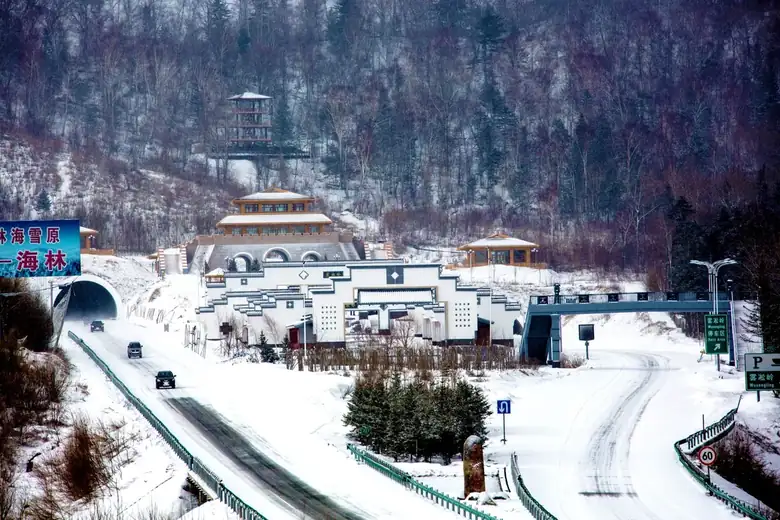
No winter trip would be complete without visiting China Snow Town (Shuangfeng Forest Farm), nestled deep within the Zhangguangcai Mountains. Unique local weather conditions create exceptionally deep, sticky snow, forming the famous "snow mushrooms" that blanket rooftops and transform the village into what feels like the setting of a fairy tale. Equally memorable is Arctic Village in Mohe, China's northernmost settlement. Visitors can send postcards from the country's northernmost post office and, on particularly favorable nights, may even witness the Aurora Borealis. Even without the northern lights, the pristine snowfields beneath brilliant star-filled skies make the journey worthwhile.
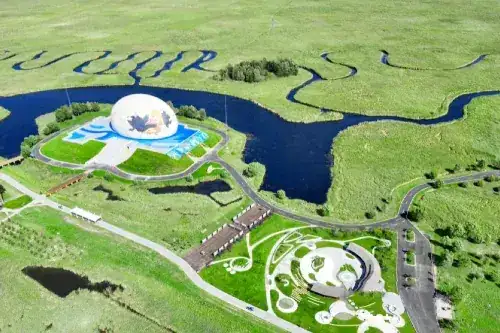
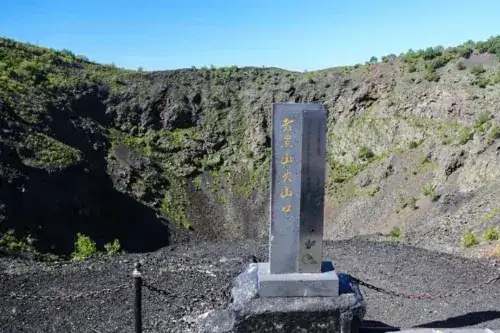
Summer presents an entirely different side of Heilongjiang. Wudalianchi Scenic Area, home to China's youngest volcanic landscape, features volcanic cones, lava fields, and naturally carbonated mineral springs renowned for both drinking and therapeutic bathing, and are believed to benefit various chronic conditions. Nanbei Medicinal Springs and Wenbo Lake are among the area's highlights. Zhalong National Nature Reserve, the world's largest breeding habitat for the endangered red-crowned crane, offers one of China's finest wildlife experiences. During the daily crane releases, dozens of these elegant white birds soar over the vast green wetlands, creating an unforgettable spectacle.
Travelers interested in international experiences can join a convenient Heihe–Blagoveshchensk day tour, crossing the border into Russia through organized travel arrangements — with a valid passport and through a travel agency, visitors can enjoy visa-free access for a short-term Russian experience. Outdoor enthusiasts may venture deep into the Greater Khingan Mountains, where hiking, rafting, and opportunities to learn about the traditional culture of the Oroqen people await amid some of China's most pristine forests.
Practical preparation is essential, especially during winter. A high-quality down jacket, insulated boots, thermal hat, gloves, and scarf are indispensable, with particular attention paid to protecting ears and fingers from frostbite, and bring plenty of disposable heat packs. Camera batteries discharge rapidly in sub-zero temperatures, so carrying spare batteries inside an inner pocket helps keep them warm. When walking on icy streets, adopt a "penguin walk" with short, steady steps to reduce the risk of slipping. Popular destinations such as Central Street and China Snow Town become extremely busy during peak season, making advance hotel reservations highly advisable. Language is generally not a barrier, and visitors should not miss local specialties such as frozen pears, frozen persimmons, and traditional Iron Pot Stew, though those unaccustomed to hearty Northeastern cuisine may wish to ease into it gradually.
Border areas are subject to strict regulations, and drone flights are prohibited in many locations. Visitors to border cities such as Heihe, Fuyuan, and Suifenhe should always follow official signs and security instructions. Winter drivers should equip their vehicles with snow tires and reduce speed on icy roads. Mobile phone coverage may be limited in remote forest regions, so downloading offline maps beforehand is strongly recommended. Fire prevention regulations in forested areas are strictly enforced, and smoking outdoors is strictly prohibited in forested areas. Because indoor heating is extremely efficient, remember to remove heavy outer layers promptly after entering buildings to avoid overheating and catching a cold.
With careful preparation and an open mind, Heilongjiang rewards travelers with experiences found nowhere else—where breathtaking winter landscapes, rich multicultural heritage, and the warmth of local hospitality come together to create unforgettable memories.
Travel information can change. Check current opening hours, reservations and entry requirements before you travel.
Traveller discussion
Start the conversation with a helpful tip or a question.