
Hangzhou, Zhejiang Province
浙江省杭州市
Origin of the name: In the ninth year of the Kaihuang era of the Sui Dynasty (589 AD), Hangzhou was established by abolishing the prefecture system, with its initial capital at Yuhang. According to the *Taiping Huanyu Ji*, the name Hangzhou originated from its initial administrative location in Yuhang. Basic introduction to Xixi National Wetland P…
Origin of place name:
In the ninth year of the Kaihuang era of the Sui Dynasty (589 AD), the prefecture was abolished and Hangzhou was established, with its initial capital at Yuhang. According to the Taiping Huanyu Ji, Hangzhou got its name because its initial capital was located in Yuhang.
Basic introduction:
Hangzhou, located in northeastern Zhejiang Province, more than 180 kilometers from Shanghai, is one of my country's seven ancient capitals and a key scenic tourist city and historical and cultural city designated by the State Council. With a history of over 2,200 years since its establishment as a county during the Qin Dynasty, Hangzhou served as the capital of the Wu-Yue Kingdom during the Five Dynasties period and the Southern Song Dynasty. Today, Hangzhou is the capital of Zhejiang Province and the political, economic, and cultural center of the province.
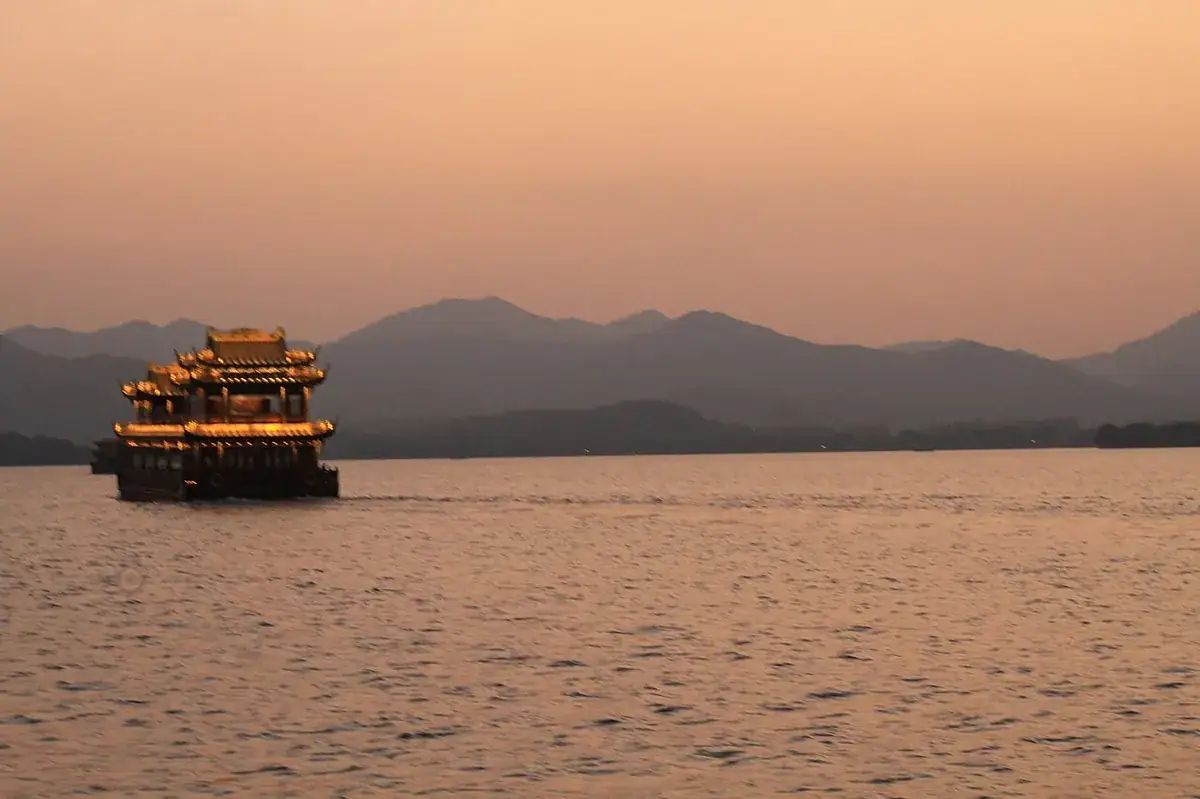
Hangzhou, a city renowned for its natural beauty and picturesque landscapes, is often called "Paradise on Earth." It is bordered by two national scenic areas—West Lake and the Fuchun and Xin'an Rivers—to the left; and by four national forest parks—Qiandao Lake, Daqishan, Wuchaoshan, and the Fuchun River—and two national nature reserves—Tianmu Mountain and Qingliangfeng—to the right. The Zhijiang National Tourist Resort also shines like a pearl within its boundaries. Its ecological resources are exceptionally abundant, especially in Lin'an, a "National Ecological Construction Demonstration Zone." Here, towering cliffs and unique peaks rise, and secluded valleys offer shady views; here, clear springs and emerald pools cascade down waterfalls; here, verdant bamboo groves and towering shrubs...
View detailed information about Hangzhou >>
Honors Ranking:
In July 2026, it was designated as a tourism hub city in the "15th Five-Year Plan for Building a Tourism Power".
In May 2025, it was selected as a key city for inbound tourism in the "15th Five-Year Plan for Building a Tourism Power".
In March 2026, it ranked 5th among China's top 100 cities.
In January 2026, it ranked 7th in the overall ranking of overseas online communication influence of Chinese mainland cities in 2025.
In May 2025, it was selected as one of the pilot cities for new forms, models and scenarios of consumption nationwide.
In November 2025, it was selected as a pilot city for the construction of an internationalized consumption environment.
In November 2025, it was selected as a pilot city for the integrated development of human resources service industry and manufacturing industry.
In November 2025, it ranked 7th on the 2025 China Cities International Influence Ranking.
In October 2025, the top ten cities in terms of household deposit balance were announced, with Hangzhou ranking 7th with a household deposit balance of 2,554.6 billion yuan.
View more Hangzhou honors and related rankings >>
Historical background:
In the ninth year of the Kaihuang era of the Sui Dynasty (589), Qiantang Prefecture was abolished and Hangzhou was established, initially with its capital at Yuhang.
Volume 93 of the Taiping Huanyu Ji records: "(The prefecture) is located in Yuhang County, and it was named after the county."
"This marks the beginning of the name of Hangzhou."
The following year, the prefectural seat was moved to Qiantang County.
In the third year of the Daye era (607), Hangzhou was renamed Yuhang County.
In the fourth year of the Tang Dynasty's Wude era (621), Hangzhou was re-established. To avoid using the taboo name of the dynasty, Qiantang County was renamed Qiantang County.
In the first year of the Tianbao era (742), it was renamed Yuhang County.
In the first year of the Qianyuan era (758), it was renamed Hangzhou again.
During the Five Dynasties period, it served as the capital of the Wu-Yue Kingdom and was known as the Western Prefecture.
In the second year of Liang Longde (922), Qianjiang County was established by separating Qiantang County, and the two counties shared the same city and became the seat of the prefecture.
In the third year of Longde (923), the capital was established.
View detailed historical evolution of Hangzhou >>
Travel information can change. Check current opening hours, reservations and entry requirements before you travel.

Traveller discussion
Start the conversation with a helpful tip or a question.