
Chongyang Festival 2026
HomeChinese CultureChinese Festivals Chongyang Festival 2026 Double Ninth Festival is also called Chongyang Festival (Chung Yeung Festival in Hong Kong). It is a traditional Chinese festival for the elders. So it is known as Senior People’s
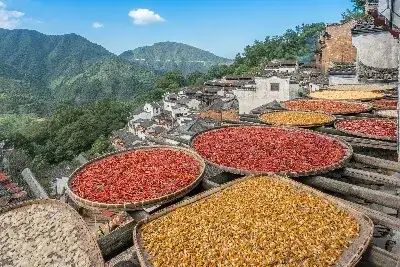
Chongyang Festival 2026
Double Ninth Festival is also called Chongyang Festival (Chung Yeung Festival in Hong Kong). It is a traditional Chinese festival for the elders. So it is known as Senior People’s Day.
The Double Ninth Festival is celebrated on the 9th day of the 9th lunar month in the Chinese calendar. It falls on October 18, Sunday, 2026.
In China, the number nine is regarded as a Yang number. So the ninth day of the ninth lunar month is called the double-ninth (Chongyang in Chinese).
Based on Chinese Feng Shui, Yang symbolizes auspiciousness. So the Double-Ninth Day is very good.
People in Hong Kong and Macao will have a day off to celebrate this traditional festival.
How to Celebrate the Double Ninth Festival?
The Double Ninth Festival is celebrated by caring for the elderly, eating auspicious food to ward off danger, and enjoying outdoor activities. The most well-known traditions are climbing hills, hiking, eating Chongyang cakes, admiring chrysanthemums, drinking chrysanthemum tea, and wearing cornels (Zhuyu).
Here are some details on a few of the customs of the Double Ninth Festival (Chongyang Festival).
1. Climbing Mountains
To honor nature and avoid evil spirits, people started to climb mountains to celebrate the Double Ninth Festival in ancient times. So the Chongyang Festival is also called the Mountain Climbing Festival.
There are no rules on how high people should climb; just reaching some altitude is enough. Many people climb hills or high pagodas on this special day.
2. Eating Chongyang Cakes
Like niao gao for the Chinese New Year, the Chongyang cake is a traditional Chinese food eaten during the Chongyang Festival. The cake is also known as the flower cake, chrysanthemum cake, and five-color cake.
The traditional Chongyang cake should be made into nine layers, like a pagoda. People usually decorate the cakes with red paper flags or dogwood (Zhuyu).
Nowadays, all of the soft cakes eaten in honor of the Chongyang Festival are called Chongyang cakes.
3. Wearing Cornels (Zhuyu)
In ancient times, people would wear cornels (Zhuyu) on the arm, head, or pocket. It is believed that wearing cornels could drive out evil spirits and avoid disasters.
Nowadays, some people will still decorate their houses with cornels at the Chongyang Festival and the Dragon Boat Festival.
4. Admiring Chrysanthemums and Drinking Chrysanthemum Tea
Chrysanthemums symbolize longevity and honorable character in Chinese culture. Chinese people regard the plum blossom, orchid, bamboo, and chrysanthemum as the Four Gentlemen.
The Double Ninth Festival is in autumn when chrysanthemums are in full bloom, so appreciating chrysanthemums and drinking chrysanthemum tea are naturally popular activities at this time.
When Did the Double Ninth Festival Originate?
The Double Ninth Festival originated from the Warring States Period (475 - 221 BC) and became popular in the Han dynasty (202 BC - 220 AD). It was regarded as an official folk festival in the Tang dynasty (618-907 AD).
You Might Also Like to Read
- Top Festivals Celebrated in China
- Chinese Culture
Travel information can change. Check current opening hours, reservations and entry requirements before you travel.
Traveller discussion
Start the conversation with a helpful tip or a question.