
Jingshan Subdistrict, Dongcheng District
东城区景山街道
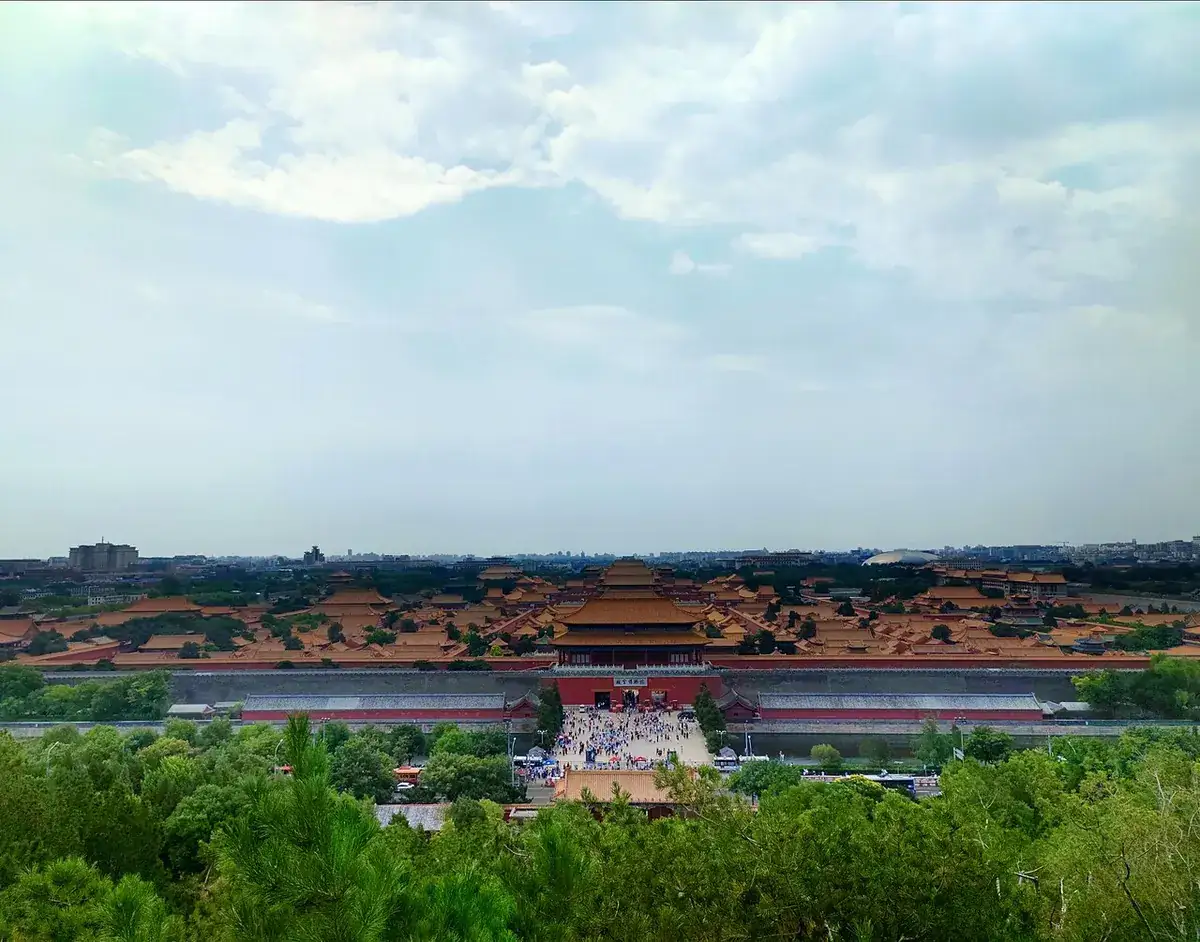
Origin of the name: Named after its proximity to Jingshan Park. Basic introduction: Jingshan Subdistrict is located in the western part of Dongcheng District. It covers an area of 1.64 square kilometers and has a resident population of 43,700 (end of 2006). It administers 8 communities (end of 2007). The subdistrict office is located at No. 1, M…
Origin of place name:
It is named after its proximity to Jingshan Park.
Basic introduction:
Jingshan Subdistrict is located in the western part of Dongcheng District. It covers an area of 1.64 square kilometers and had a resident population of 43,700 (end of 2006). It administers 8 communities (end of 2007). The subdistrict office is located at No. 1, Meishuguan East Street, postal code 100010. Community codes 110101002: ~001 Longfusi Community ~002 Jixiang Community ~003 Huanghuamen Community ~004 Zhonggu Community ~005 Weijia Community ~006 Wangzhima Community ~008 Jingshan East Street Community ~009 Huangchenggen North Street Community
History
It was formed in 1958 by merging Nafu Hutong Subdistrict, Weijia Hutong Subdistrict, Jingshan East Street Subdistrict, and Mabu Street Subdistrict. It was changed to a commune in 1960 and re-established in 1990. In 1997, it covered an area of 1.5 square kilometers with a population of 48,000, and administered Longfusi East Street, Longfusi West Street, Huangmi, Shijin Garden, Xiyangwei, Huangnan, Yangchun, and other subdistricts.
View detailed information about Jingshan Subdistrict >>
Jingshan Subdistrict contact number: 10 64016465
Historical background:
During the Republic of China era, the Jingshan area belonged to the Inner Third District and the Inner Sixth District.
After 1949, the Jingshan area was successively under the jurisdiction of the Third District, the Sixth District, the East Fourth District, and the East City District.
In April 1949, street governments were established in Ma Daren Hutong, Qianliang Hutong, Gongxian Hutong, Weijia Hutong, Jingshan East Street, and Nafu Hutong.
In 1955, the Jingshan area consisted of four subdistricts: Nafu, Weijia, Jingshan, and Mashi Street.
In December, it was merged into three subdistricts: Nafu, Weijia, and Jingshan.
In 1958, Nafu, Weijia, and Jingshan subdistricts were merged into Jingshan subdistrict, which remains the same today.
Travel information can change. Check current opening hours, reservations and entry requirements before you travel.
Traveller discussion
Start the conversation with a helpful tip or a question.