
China Weather and Packing Guide
Quick Answer (30 Seconds)China isn't "one climate" — it's at least four climate zones stacked inside a single country. The north (Beijing/Harbin) hits minus 20-30°C in winter, dry and bone-chilling. The south (Guangzhou/Shenzhen) stays arou
Quick Answer (30 Seconds)
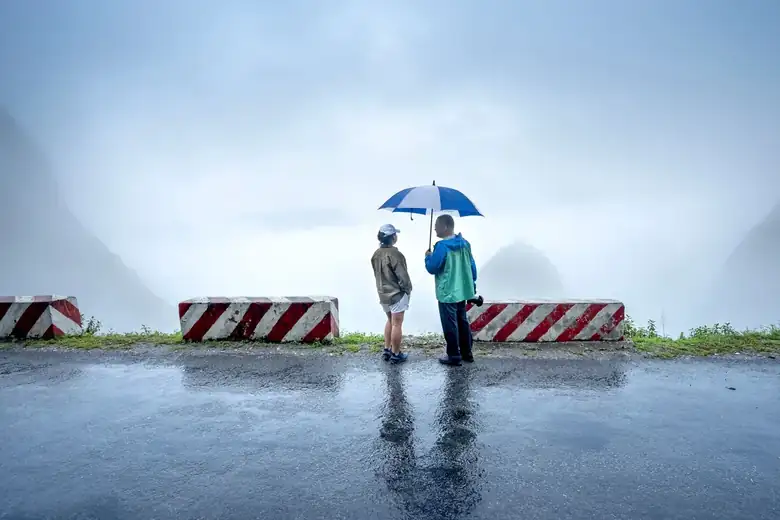
China isn't "one climate" — it's at least four climate zones stacked inside a single country. The north (Beijing/Harbin) hits minus 20-30°C in winter, dry and bone-chilling. The south (Guangzhou/Shenzhen) stays around 10°C in winter but the damp cold cuts right through you. The western plateau (Lhasa/Qinghai) has intense UV and four seasons in a single day. A down jacket is non-negotiable for northern winters. Long johns (qiūkù, 秋裤) are every Chinese person's winter religion — you'll need them too. Summer is hot everywhere, but indoor AC is cranked to fridge level, so pack a light jacket. On the plateau, sunscreen and sunglasses matter more than a down jacket. Rainy season (June-August in the south) — bring a folding umbrella. Full packing lists by city below.
Bottom line: Don't apply your hometown weather logic to China. This country is enormous.
---
Full Guide
In my fifth winter in China, I wore a thin Uniqlo down jacket on a business trip to Harbin. Minus 28°C. Three minutes outside the station and my face went numb. Lesson learned — China is huge, and every region's climate is its own little universe.
China's Climate Zones
China's climate roughly divides into four zones. Know the difference:
- Northern dry-cold zone (Northeast/North China/Northwest) — Beijing, Harbin, Urumqi. Winters are long (November-March), temperatures from minus 10 to minus 30°C, but dry cold — feels slightly more bearable than the south. Indoor heating keeps rooms above 20°C, so the indoor-outdoor gap can hit 40 degrees. Summers are short but hot, 35°C+.
- Southern humid-hot zone (South/East/Central China) — Guangzhou, Shanghai, Wuhan. Winter lows (January-February) hit 0-10°C with no central heating — the damp cold is piercing. Summers are long (May-October), 35°C+ with high humidity, feels like 40°C+. During plum rain season, clothes won't dry.
- Western plateau zone (Tibetan Plateau) — Lhasa, Xining. High altitude (3,000m+), extreme UV, huge day-night temperature swings (20°C during the day, below freezing at night). Summer is cool, winter is dry and cold. Sun protection needed year-round.
- Southwestern mild zone (Yunnan-Guizhou Plateau) — Kunming, Guiyang. Known as "Spring City" — spring-like all year. Summers aren't hot (around 25°C), winters aren't cold (5-10°C), but rainy season brings high humidity.
Seasons and Clothing Advice
Spring (March-May)
- North: Still cold in March (5-15°C), warms up in April (15-25°C), comfortable by May. Bring a light jacket + long sleeves.
- South: March-April brings "huí nán tiān" (回南天, "return of south wind" — walls sweat, clothes won't dry, humidity that makes you question reality). Pack a waterproof jacket and quick-dry clothes.
- West: Warm during the day, cold mornings and evenings. Layering is key.
- Nationwide: Spring pollen is heavy. If you have allergies, bring a mask and medication.
Summer (June-August)
- Hot nationwide (30-40°C), the south is a steamy sauna.
- Sun protection: SPF50+ sunscreen, sunglasses, sun hat. China's UV is stronger than you think.
- AC temperature shock: Malls, subways, and offices blast AC to 18-22°C while it's 35°C outside — a 15-degree swing. Always carry a light jacket or sun shirt, or you'll catch a cold the moment you step into the subway.
- Choose breathable, quick-dry fabrics. Cotton sticks to you unpleasantly when sweaty.
- Rainy season: South gets plum rain in June-July, typhoon season in August. Always carry a folding umbrella.
Autumn (September-November)
- China's most beautiful season. North is comfortable September-October (15-25°C), starts cooling in November.
- South is at its best October-November — not too hot, not too cold.
- Clothing: Long sleeves + light jacket, layered. By late November, the north needs a heavy coat.
- Autumn is dry — bring lip balm and body lotion.
Winter (December-February)
- North: Minus 10-30°C. A down jacket is mandatory (long, past-the-knee is best), long johns essential, plus hat, gloves, and scarf. But indoors, the heating is so warm you'll be in short sleeves.
- South: 0-10°C, damp cold, no heating. Down jacket + sweater + long johns. Indoors and outdoors are equally cold (indoors might feel worse — no sun). Electric blankets and adhesive heat packs (nuǎn bǎobao, 暖宝宝) are lifesavers.
- Western plateau: Dry cold. Sunny days are warm, nights drop below freezing. Sun protection still matters.
City-by-City Clothing Guide
- Beijing (December-February) — Long down jacket, thick sweater, long johns, warm boots, hat, gloves, scarf. Indoor heating is hot — wear a thin long-sleeve underneath.
- Beijing (June-August) — T-shirts and shorts, SPF50+ sunscreen, light jacket (for subway/malls), sandals + sneakers.
- Shanghai (January) — Down jacket + sweater + long johns. No heating — indoors is colder than outdoors. Add heat packs.
- Shanghai (July) — T-shirts and shorts, quick-dry fabric, sun protection, umbrella (plum rain/typhoon), light jacket (for AC).
- Guangzhou (year-round) — Winter lows around 10°C in January — thin down jacket + long sleeves is enough. Summer lasts half the year (May-October), 35°C+ with high humidity. T-shirts, shorts, sunscreen, umbrella.
- Chengdu (year-round) — Similar to Guangzhou but slightly cooler. Winter is damp cold, around 5°C — down jacket + long johns. Summer is muggy, slightly better than Guangzhou.
- Harbin (December-February) — Minus 20-30°C. Long heavy down jacket (200g+ fill), two-piece thermal underwear, fleece-lined pants, snow boots, hat, scarf, gloves, mask — full armor. Your phone will shut down from the cold — keep it close to your body.
- Lhasa (year-round) — Sunny days are warm (15-20°C), nights are freezing. Year-round sunscreen + sunglasses + lip balm. Layer up: T-shirt + fleece + hardshell jacket, add and remove as needed. Add a heavy down jacket in winter.
Packing List (Universal)
Year-round essentials:
- SPF50+ sunscreen — China's UV doesn't take a season off
- Sunglasses — essential on the plateau and in summer
- Lip balm — most of China is dry
- Folding umbrella — you never know when it'll rain
- Power bank — your phone is your lifeline
Winter extras (north and south):
- Down jacket — long, past the knee. Northern fill: 150g+
- Thermal underwear / long johns — don't be a hero, you need them
- Adhesive heat packs (nuǎn bǎobao) — southern damp-cold savior. Stick them on your lower back and the soles of your feet
- Hat + gloves + scarf — the northern trifecta
Summer extras:
- Light jacket / sun shirt — saves you from AC
- Quick-dry clothes — cotton is miserable when sweaty
- Insect repellent — southern mosquitoes are fierce. Huālùshuǐ (花露水, floral water repellent) and fēngyóujīng (风油精, essential oil balm) are available at any convenience store
- Sun hat — physical sun protection beats sunscreen. Wide-brimmed is most practical
- Light jacket / sun shirt — AC rooms will make you question your existence
Footwear by Season
Shoe choice matters a lot in China — you might walk 20,000 steps in a day:
- Spring/Autumn — Sneakers are the most versatile. Add waterproof shoes for the south's rainy season.
- Summer — Breathable sneakers or sandals. But don't wear flip-flops for sightseeing (your feet will be destroyed).
- Northern winter — Warm, non-slip boots. Choose slip-resistant soles for snow/ice (Harbin winters = icy pavement, regular shoes won't cut it).
- Plateau — Hiking boots or grippy sneakers. Many scenic spots have rough terrain.
---
Disaster Manual
Disaster Scenario 1: Brought Only a Thin Jacket to Harbin
Problem: You thought "it's winter, I'll just dress warm" and brought a thin Uniqlo down jacket. You arrive in Harbin at minus 28°C. Your face hurts too much to go outside.
What to do:
- Harbin malls sell down jackets. Buy a heavy one on the spot (¥300-800). Not cheap, but it's a survival purchase.
- Uniqlo Heattech thermal underwear and adhesive heat packs (available at convenience stores) — patch up whatever you can.
- Minimize outdoor time. Go out during the warmest hours (10 AM - 3 PM).
- Lesson: Northern winters are no joke. Check the local temperature before you go and prepare for minus 25°C.
Disaster Scenario 2: No Jacket in Summer, Caught a Cold on the Subway
Problem: It's 35°C in Shanghai in July. You go out in a T-shirt. The subway and mall AC is blasting at 18°C. One hour later, you're sneezing.
What to do:
- Convenience stores (FamilyMart, 7-Eleven) sell light jackets and sun shirts for ¥30-50.
- Make it a habit: in summer, always carry a light jacket. Put it on in the subway/mall, take it off outside.
- China's AC culture is "better freeze than sweat." If you can't adapt, bring the jacket.
Disaster Scenario 3: No Sun Protection on the Plateau, Sunburned in One Day
Problem: In Lhasa, you thought "winter sun can't be that strong." No sunscreen, no sunglasses. After a day at the Potala Palace, your face is as red as a boiled shrimp.
What to do:
- Emergency treatment: If the hotel has aloe gel or a hydrating face mask, apply it to soothe. Buy burn ointment at a pharmacy (yes, sunburn is treated as a burn).
- Next day: SPF50+ sunscreen applied generously (a coin-sized amount for the face), sunglasses, wide-brimmed hat, long sleeves.
- Plateau UV is 3-5 times stronger than at sea level. It burns even on cloudy days. Don't be fooled by the temperature.
- Lesson: On the plateau (Tibet/Qinghai/Yunnan above 3,000m), sun protection matters more than warmth.
---
Information verified: August 2026 · Sources: National Climate Center of the China Meteorological Administration (ncc.cma.gov.cn), China Weather (weather.com.cn) · Climate characteristics and temperature ranges based on historical averages. Actual weather may vary — check the forecast close to your trip.
Travel information can change. Check current opening hours, reservations and entry requirements before you travel.


Traveller discussion
Start the conversation with a helpful tip or a question.