
Chinese Paper-Cut, Where Scissors Meet Imagination
Chinese Paper-Cut, Where Scissors Meet ImaginationPublished: November 28, 2025Editor: WangYingChinese paper-cut, an intricate folk art, involves using scissors or an engraving knife to meticulously carve patterns into paper. This craft boas
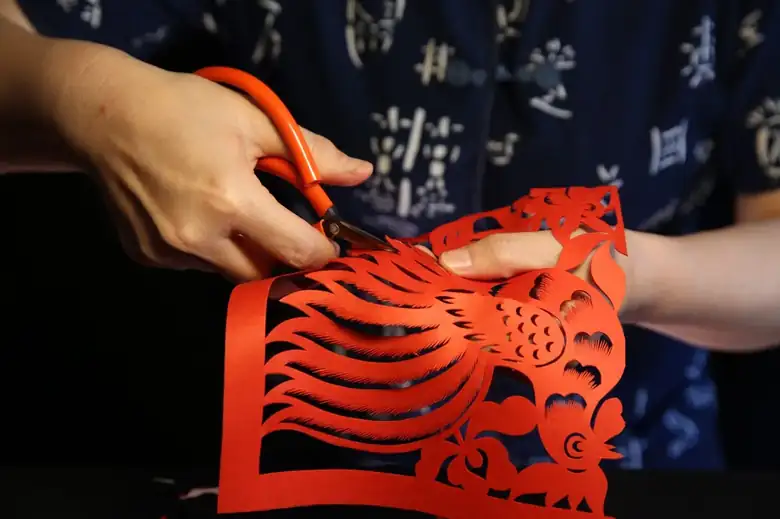
Chinese paper-cut, an intricate folk art, involves using scissors or an engraving knife to meticulously carve patterns into paper. This craft boasts a long and rich history in China, imbued with profound cultural significance, and is frequently employed for festive decorations and ceremonial occasions. Recognizing its value, UNESCO inscribed Chinese paper-cut on the Representative List of the Intangible Cultural Heritage of Humanity in 2009.
What to Expect
Unlock the Meaning of Auspicious Motifs: Delve into the cultural symbolism behind cherished patterns such as the "Magpie on Plum Blossom" (symbolizing joy) and "Fish in Succession" (a phonetic metaphor for "abundance every year").
Learn Paper-Cutting Techniques: Get hands-on experience with basic paper-cutting methods, including symmetrical folding, jagged edges, and crescent cuts.
Create Your Own Masterpiece: Under the guidance of an instructor, begin with simple window paper-cuts and circular paper-cuts, culminating in the completion of your own unique paper-cut artwork.
Top Picks for Visitors
1. Yangliuqing Ancient Town, Tianjin
Dating back more than three centuries, Yangliuqing paper-cuts are renowned for their technical foundation in carving, combining free-hand cutting with scissors and detailed carving with knives. Subject matter typically includes flora, fauna, auspicious symbols, and historical narratives. The craftsmanship is characterized by its sophisticated method where every incision remains subtly connected, often described as "lines interwoven, never fully severed."
Reservation: Search for the official website of "Tianjin Culture and Tourism" or at the Yangliuqing Ancient Town Visitor Center.
2. Yu Zhou Museum, Hebei
Originating in the Ming Dynasty, paper cutting from Yuxian County, Hebei Province, holds the distinction of being the only style in China that predominantly uses Yin Ke (negative carving) technique, supplemented by Yang Ke (positive carving). It is recognized as a national-level intangible cultural heritage item. Yuxian paper-cuts are meticulously carved from Xuan paper, which is then adorned with vibrant, brilliant colors. The craftsmanship encompasses design and shaping, smoke treatment, carving, and dyeing. This distinct style has garnered widespread acclaim both domestically and internationally.
Reservation: Search for the official WeChat account, "蔚县博物馆" (Yu Zhou Museum), to book tickets.
Duration:2–3 hours
Travel information can change. Check current opening hours, reservations and entry requirements before you travel.




Traveller discussion
Start the conversation with a helpful tip or a question.