
[Complete Guide to Gongga Mountain] Hiking the King of Sichuan Mountains - After reading this, I can't wait to go!
A colleague witnessed the golden sunrise on Mount Gongga and said it would bring her good luck for the whole year. The moment you see the golden sunrise, it feels like life has been redeemed. Among the mountains of Sichuan, Mount Gongga stands majestically between heaven and earth. At lower altitudes, there are glaciers, forests, waterfalls, and h…
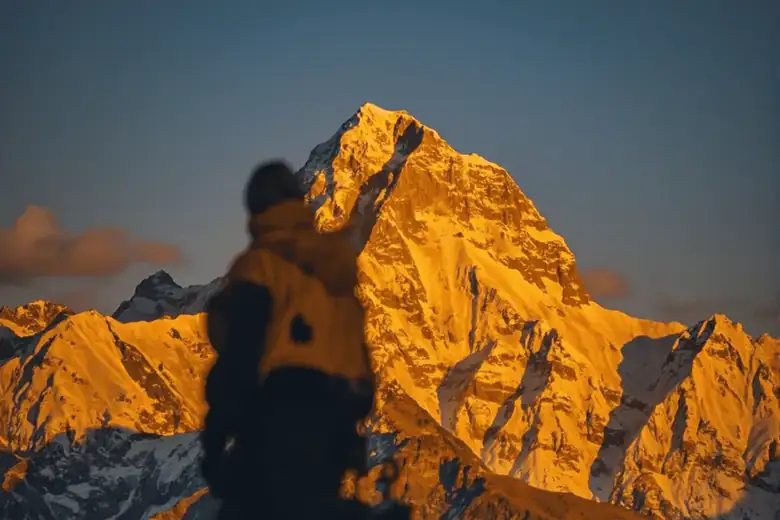
My colleague saw the golden sunrise on Mount Gongga and said she would have good luck all year. The moment you see the golden sunrise on the mountain feels like a salvation.
Nestled among the mountains of Sichuan, Mount Gongga stands majestically between heaven and earth. At lower altitudes, glaciers, forests, waterfalls, and hot springs abound; at higher altitudes, snow-capped peaks, ice cliffs, grasslands, and seas of flowers create a breathtaking panorama. Here, you can witness a multitude of magnificent landscapes, all contributing to the grandeur of Mount Gongga, earning it the title of "King of Sichuan Mountains."
Gongga Scenic Spot
Hailuogou
Hailuogou, on the eastern slope of Mount Gongga, is a magical land. It boasts both one of the world's lowest glaciers and warm hot springs. Here, you can experience glacier hiking, and because of the low altitude, altitude sickness is not very noticeable.
In spring, Hailuogou boasts moderate temperatures and blooming wildflowers, especially rhododendrons and primroses. After hiking, you can soak in a hot spring—and this is just the second of Hailuogou's "six wonders." Glaciers, hot springs, snow-capped mountains, red rocks, clouds, and primeval forests make Hailuogou a destination in itself.
Zimei Pass
Following the mountain road westward leads to Zimei Pass, a famous vantage point for viewing the main peak of Mount Gongga. My colleague took his photo of the golden sunrise over the mountain from here.
To see the golden sunrise on the snow-capped mountains without making a wasted trip, pay attention to the following aspects.
1. Visibility: It should be greater than 10 kilometers. If it is less than 5 kilometers, the outline of the snow-capped mountain will be relatively blurry.
2. Air pollution index: It is clearer when the air quality is good, otherwise it will affect the refraction of light.
3. Cloud cover distribution: Pay attention to the cloud cover in the Mount Gongga area. If the cloud cover is large or concentrated near the main peak, it may block the sunlight from illuminating the golden mountain.
4. Precipitation and weather. The lower the probability of precipitation, the better, ideally below 10%. Weather conditions of 5-10 m/s are best, as they can disperse the clouds and fog without stirring up dust.
5. Time window: Based on the sunrise and sunset times of the day, the "golden mountain" phenomenon is most likely to occur 30 minutes before sunset.
6. If the cloud cover at Zimei Pass is poor, quickly check the alternative routes of Lenggacuo or Suo Pass.
Lengga Tso
After watching the sunrise over the mountains at Zimei Pass, it is recommended to find a Tibetan guesthouse in Yulongxi Village to stay overnight. After breakfast, head to Lenggacuo.
Lengga Lake is a mysterious lake hidden in the high mountains, where the beautiful scenery of Mount Gongga is perfectly reflected in its waters.
Lengga Lake is at an altitude of over 4,600 meters, so please avoid strenuous exercise and quietly appreciate the beautiful scenery of the snow-capped mountains reflected in the lake. Those with better physical fitness can take a walk along the lake and feel the tranquility of nature.
As dusk falls, the golden sunrise over Gongga Mountain is reflected in the lake, changing from gold to pinkish-purple, and finally to a starry sky and the Milky Way... It's so beautiful it leaves you speechless.
Yaha Pass
Continuing our journey, we arrived at the western side of Mount Gongga, where we reached the Yaha Pass. This is also one of the best viewpoints for the Gongga mountain range. The altitude here is relatively lower, and the road conditions are better, making it suitable for traveling alone or by chartered vehicle.
Upon reaching Yaha Pass, you'll be awestruck by the breathtaking panorama: the Gongga mountain range stretches out before you, its snow-capped peaks shimmering brilliantly in the sunlight. The panoramic view is expansive, offering a vista of multiple snow-capped mountains at once. It's a perfect spot to linger and capture the starry sky and Milky Way.
Precautions
1. The return trip will end around 5 PM in Chengdu. It is recommended that you return the next day. Those who need to return on the same day should inform us in advance and make preparations accordingly.
2. Alternative route options:
Day 2: Gexi Grassland - Liangchahe - Panpanshan Campsite
Day 3: Panpanshan Campsite - Pass - Yulongxi Village
Day 4: Yulongxi Village - Quanhua Beach - Zimei Pass - Zimei Village (Quanhua Beach entrance fee: 30 yuan)
I. People who are not suitable for traveling to high-altitude areas:
1. Patients with obvious heart, lung, brain, liver, or kidney diseases, as well as those with severe anemia or high blood pressure, should not blindly enter high-altitude areas.
2. If you have never been to a high-altitude area before, it is recommended that you undergo a thorough physical examination before entering. Tourists with organic diseases, severe anemia, or severe hypertension have a lower ability to adapt to the high-altitude environment. Their risk of developing acute mountain sickness in the initial stages of entering the high-altitude area is significantly higher than others.
3. If you stay at high altitude for too long, you are more likely to suffer from various chronic altitude sicknesses than others.
4. Simultaneously, as the body adapts to the high-altitude environment, the compensatory activities of vital organs such as the liver, lungs, heart, and kidneys increase, placing a greater burden on these organs. If these organs develop diseases, the condition will worsen further.
II. Precautions for entering the plateau region (Important)
1. Prepare oxygen and medications for preventing and treating acute mountain sickness, such as nifedipine (also known as Adalat) and aminophylline. Also prepare medications for colds, antibiotics, and vitamins, just in case. Due to the cold climate and large temperature difference between day and night at high altitudes, be sure to prepare sufficient warm clothing to prevent catching a cold. Cold weather and respiratory infections can both trigger acute mountain sickness.
2. If severe altitude sickness symptoms occur during the journey to the plateau, immediate action should be taken, including taking aminophylline or sublingual administration of 20 mg of nifedipine. In severe cases, oxygen should be administered. If severe chest tightness, violent cough, difficulty breathing, coughing up pink frothy sputum, or lethargy, apathy, or even coma occur, in addition to the above treatment, seek immediate medical attention at the nearest hospital or transfer to a lower altitude area for treatment and recovery.
3. Measures to cope with altitude sickness
Most people experience some degree of altitude sickness when traveling to high-altitude areas, especially those new to the region; this is perfectly normal. As long as you are in good health, you will adapt to the high-altitude climate quickly, so there's no need to worry.
The main symptoms of altitude sickness include headache, chest tightness, shortness of breath, vomiting, nausea, and insomnia. Generally, these symptoms will gradually lessen and disappear after 1-2 days.
However, people with serious heart disease, lung disease, or high blood pressure should not travel to high-altitude areas. Special attention should be paid to individuals who are typically aggressive, competitive, ambitious, concerned with their image, and have an inflated ego, even if they are physically fit!
Avoid catching a cold or fever before departure; conserve your energy. Drink tea in moderation, especially butter tea, but abstain from alcohol!
Personal Equipment Reference
1. Personal clothing: waterproof jacket and pants, fleece jacket and pants (primarily for warmth), hat (two are recommended, one for sun protection and one for warmth), headscarf or neck warmer (women can bring brightly colored scarves), warm gloves, socks, hiking boots or casual shoes;
2. Outdoor Backpack: A 65L backpack (with a rain cover) is recommended. Do not bring a suitcase! Also bring a small backpack (to carry with you for storing food and other important personal items for the day's hike).
3. Daily necessities and skincare products: personal toiletries, sunglasses, sunscreen (SPF 50 or higher), lip balm, thermos, raincoat;
4. Camping equipment: tent, sleeping bag, sleeping mat, headlamp
5. Important documents: ID card or passport, military officer's certificate, tour guide certificate, student ID, etc.
6. Meals: This itinerary requires 5 meals; high-energy, easy-to-carry, and appetizing foods, such as chocolate, beef jerky, bread, pickled vegetables, spicy snacks, etc. You can also bring some easy-to-carry fruits, such as apples, pears, oranges, etc.
7. Communication and Photography Products: Mobile phones, cameras, walkie-talkies (optional)
Friendly reminder: Please bring spare batteries or solar power banks. Due to limited resources in Tibet, there may not be power supply points every night.
Supplementary Explanation
1. As this is a high-altitude trek, please pay close attention to safety. Individuals with organic diseases, severe anemia, or high blood pressure should not blindly enter and must not conceal their condition. Please be environmentally conscious, do not damage vegetation, and properly dispose of waste. Please respect local religious beliefs, customs, and traditions.
2. Try to relax and avoid being too nervous or excited. You can take Rhodiola rosea a week before entering the plateau. It is also good to have some glucose oral solution or powder on hand. Teammates who usually exercise a lot should reduce or stop exercising a week in advance.
3. When traveling outdoors, be sure to purchase accident insurance.
Travel information can change. Check current opening hours, reservations and entry requirements before you travel.

Traveller discussion
Start the conversation with a helpful tip or a question.