
Ngari Prefecture
阿里地区
Origin of the name: Ngari is a transliteration of a Tibetan word meaning "territory," "possession," or "territory," hence the name. Basic introduction to National Highway 219 (Rutog County, Pangong Lake): Ngari Prefecture is located in the southwestern border region of China, in western Tibet Autonomous Region. It borders Xinjiang Uygur Autonomous…
Origin of place name:
Ali is a transliteration of a Tibetan word meaning "territory," "belonging land," or "territory," hence the name.
Basic introduction:
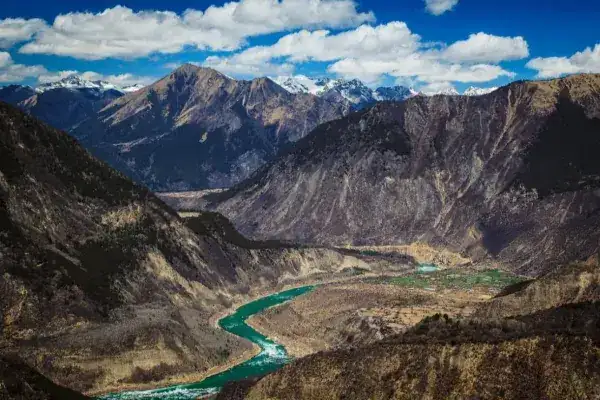
Ngari Prefecture is located in the southwestern border region of China, in the western part of the Tibet Autonomous Region. It borders Xinjiang Uygur Autonomous Region to the north, India and Nepal to the south, Shigatse and Nagqu Prefectures to the east, and Kashmir and other regions to the west. It stretches approximately 600 kilometers east to west and 500 kilometers north to south, covering an area of 305,000 square kilometers, accounting for one-quarter of the total area of the Tibet Autonomous Region. With an average altitude of over 4,500 meters, it is known as the "roof of the roof of the world." The region is crisscrossed by mountains, with numerous snow-capped peaks. The Kunlun and Karakoram Mountains extend from west to east in the north; the Gangdise Mountains traverse the central region from northwest to southeast; and the Himalayas stretch from northwest to southeast along the Sino-Indian and Sino-Nepalese borders in the south. With a border line of 1,116 kilometers and nearly 60 mountain passes connecting it to the outside world, it forms a natural barrier on the southwestern frontier of China, making its strategic position extremely important.
Ngari Prefecture currently administers 7 counties: Purang, Zanda, Gar, Rutog, Geji, Gerze, and Coqen, comprising 30 townships.
View detailed information about the Ngari region >>
Honors Ranking:
In January 2026, it ranked 335th in the overall ranking of overseas online influence of Chinese mainland cities in 2025.
In May 2025, the 2025 China City Charm Ranking was released, with Ali Prefecture ranking 330th (a fifth-tier city).
In May 2024, the 2024 China City Commercial Attractiveness Ranking was released, with Ali Prefecture ranking 326th.
In April 2023, the 2023 China City Commercial Attractiveness Ranking was released, with Ali Prefecture ranking 328th.
In May 2021, Ngari Prefecture ranked 332nd (a fifth-tier city) in the 2021 China City Commercial Attractiveness Ranking.
According to data from the Seventh National Population Census in May 2021, Ngari Prefecture had a population of 123,300, ranking 7th in the population ranking of cities and prefectures in Tibet and 343rd in the population ranking of major cities (prefecture-level cities and above) in China.
In March 2021, Ngari Prefecture ranked 329th in the 2021 China City Comprehensive Strength Ranking.
In January 2021, the State Ethnic Affairs Commission named Ngari Prefecture as the eighth batch of national demonstration zones for ethnic unity and progress.
View more honors and rankings of the Ngari region >>
Historical background:
Before the 7th century, Li Niexiu proclaimed himself king in this area, calling himself Xiangxiong Abal. Later, it developed into the Xiangxiong tribal alliance. The ancient Xiangxiong region was divided into three major areas: the inner, middle and outer regions, with the present-day Ngari region being the heartland.
In the 18th year of the Zhenguan era of the Tang Dynasty (644, the Tibetan Wood Dragon Year), Songtsen Gampo, the 32nd king of Yarlung Tsultrim Lodro, attacked Zhangzhung and brought it under Tibetan rule.
In the second year of the Huichang era of the Tang Dynasty (842, the Tibetan Water Dog Year), after the death of the last Zanpu of the Tubo regime, his descendant Kyide Nyima Gon suffered defeat in the court and fled to the Ngari region, where he established a small kingdom. Kyide Nyima Gon divided the Ngari region among his three sons, with the Guge Kingdom belonging to his third son, Zude Gon.
+View detailed historical evolution of Ngari Prefecture>>
Travel information can change. Check current opening hours, reservations and entry requirements before you travel.


Traveller discussion
Start the conversation with a helpful tip or a question.