
What is the altitude of Nyingchi? Will I experience altitude sickness in Nyingchi? A complete guide to altitude sickness prevention and acclimatization!
What is the altitude of Nyingchi? Will I experience altitude sickness in Nyingchi? A complete guide to altitude sickness prevention and acclimatization! Author: Carmen | Updated: April 3, 2026 The average altitude of Nyingchi, Tibet is about 3100 meters, which is relatively low in Tibet. Most people in Nyingchi do not experience altitude sickness,…
What is the altitude of Nyingchi? Will I experience altitude sickness in Nyingchi? A complete guide to altitude sickness prevention and acclimatization!
Author: Carmen | Updated: April 3, 2026
Many first-time visitors to Nyingchi, Tibet, are most concerned about: What is the altitude of Nyingchi? Will I experience altitude sickness in Nyingchi? As a region with a relatively low altitude and mild climate in Tibet, Nyingchi is often called "Little Jiangnan of Tibet," and it's the best place for first-time visitors to Tibet to acclimatize to the high altitude. To help you travel to Nyingchi with peace of mind, this article provides detailed information on the altitude of various locations in Nyingchi, the probability of altitude sickness, real-life experiences, and includes scientific measures for preventing and acclimatizing to altitude sickness, making your trip to Nyingchi smoother.
1. What is the altitude of Nyingchi?
1. Average altitude of Nyingchi: 3100 meters
Located in southeastern Tibet, in the middle and lower reaches of the Yarlung Tsangpo River, Nyingchi has an average altitude of about 3,100 meters, a level that most people can easily adapt to. Known as the "Oriental Switzerland," Nyingchi offers not only snow-capped mountains but also lush green forests and crystal-clear lakes, making you feel as if you've stepped into a fairytale world. It's one of the best destinations for tourists visiting Tibet.
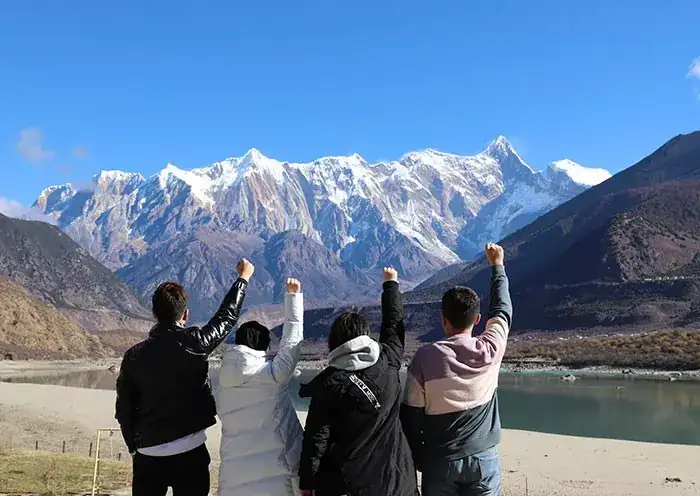
A distant view of Namcha Barwa Peak from the Yarlung Tsangpo Grand Canyon in Nyingchi
2. Altitude of Nyingchi City: 3000 meters
The city center of Nyingchi is located in Bayi Town, Bayi District. The town has flat terrain and an altitude of about 3,000 meters. In addition, Bayi Town is about 390 kilometers away from Lhasa, and is an important transportation hub connecting central and southeastern Tibet, with very convenient transportation.
[Explore Tibet] 11-Day Tour of Lhasa, Nyingchi, Yamdrok Lake, Shigatse, and Mount Everest
Lhasa-Kadinggou-Nyingchi-Basum Tso-Lhasa-Sera Monastery-Potala Palace-Yamdrok Lake-Shigatse-Mount Everest-Tashilhunpo Monastery-Lhasa
3. Altitude of each county in Nyingchi
Nyingchi has six counties: Gongbo'gyamda, Milin, Langxian, Bomi, Zayu, and Medog. The altitudes of each county vary slightly, but they all belong to the lower-altitude region. In addition, each of these six counties has its own unique scenery and charm, ranging from snow-capped mountain wonderlands to border customs, making it a place where "each county is a secret realm and every step brings a surprise."
| county seat | altitude | Highlights |
|---|---|---|
| Medog County | Approximately 1200 meters | Must-see attractions: Medog Highway ("China's Ultimate Off-Road Route", traversing snow-capped mountains, canyons, and rainforests, offering breathtaking scenery); Guoguotang Great Bend (a magnificent U-shaped bend in the Yarlung Tsangpo River); tropical rainforest trekking, experiencing "four seasons in one mountain, different weather every ten miles". Must-buy local specialties: Medog stone pot (hand-carved from soapstone, heats up quickly, rich in minerals, and makes stews more fragrant); Medog tea (high mountain cloud and mist tea, with a refreshing aroma and sweet aftertaste). Must-try foods: Stone pot chicken (the local method in Medog is more original, with wild mushrooms and yam, original flavor, nourishing and warming); Monpa hand-grabbed rice (a unique blend of Tibetan and Indian flavors). |
| Zayu County | Approximately 2300 meters | Must-see attractions: The border scenery of Zayu (close to India, a blend of diverse cultures); Cibagou Nature Reserve (pristine ecology, habitat for rare animals and plants); Deng people (a mysterious ethnic minority with unique customs and culture). Must-buy local specialties: Zayu kiwifruit (tender, juicy, and sweet flesh); Zayu peanuts (grown in highland sandy soil, fragrant and crisp); Deng people's hand-woven shawls/bags (hand-woven with unique patterns). Must-try foods: Chayu Grilled Fish (cold-water fish, freshly killed and grilled, with tender meat); Border Flavors (a fusion of Tibetan, Indian, and Yunnan flavors, with unique spices). |
| Bomi County | Approximately 2700 meters | Must-see attractions: Bomi Peach Blossom Valley (the world's most beautiful sea of peach blossoms in March and April, stretching for 30 kilometers, a pink fairyland under the glacier); Gang Spruce Forest (one of China's most beautiful forests, stretching for tens of kilometers); Midui Glacier (China's most beautiful glacier, which can be viewed up close by hiking). Must-buy local specialties: Bomi Gastrodia elata (high medicinal value, used to treat headaches and rheumatism); Bomi honey (national geographical indication, multifloral honey, natural and pollution-free); wild mushrooms such as matsutake and morel (seasonal, both fresh and dried are suitable). Must-try foods: Matsutake mushroom stewed chicken (the king of highland flavors, simple cooking for ultimate enjoyment); Yigong chili stir-fried yak meat (mildly spicy and refreshing, with a firm texture, a perfect dish to eat with rice). |
| Lang County | Approximately 3100 meters | Must-see attractions: Langxian Walnut Forest (a vast expanse of century-old trees, laden with fruit in autumn); Lieshan Ancient Tombs (a large ancient tomb complex from the Tubo period); Zhari Sacred Mountain (a famous sacred mountain in the Tibetan region, a holy site for pilgrimage). Must-buy local specialties: Langxian walnuts (thin-skinned, large-kerneled, and richly oily; a national geographical indication); Langxian chili peppers (a local variety, fragrant but not dry, suitable for making sauces). Must-try foods: Stir-fried yak meat with walnuts (a blend of nutty and meaty aromas, offering a rich flavor); Spicy yak meat (mildly spicy and warming, a good source of energy at high altitudes). |
| Gongbo'gyamda County | Approximately 3600 meters | Must-see attractions: Basongcuo (the emerald of the plateau, with a tranquil Tibetan monastery on its central island); Daqiela Viewpoint overlooking the emerald lake; the picturesque scenery along the Niyang River Valley, a golden route for photography and self-driving; Xiuba Ancient Castle Complex (a military fortress with over 1600 years of history); Xincuo (a hidden gem, a paradise for hikers). Must-buy local specialties: Gongbo'gyamda Tibetan pig (a national geographical indication product, with firm meat and a rich wild flavor); Tibetan incense, Thangka paintings, Tibetan wooden bowls/bamboo weaving and other handicrafts. Must-try foods: Tibetan roasted pork (crispy skin, tender meat, and an irresistible aroma); paired with local wild mushroom soup for a delicious flavor; and the Basongcuo fish feast is also not to be missed. |
| Milin County | Approximately 3700 meters | Must-see attractions: Namcha Barwa (China's most beautiful snow mountain, its golden sunrise is breathtaking); Yarlung Tsangpo Grand Canyon (the world's deepest and longest canyon); Sosong Village (where peach blossoms and snow-capped peaks are framed together in spring); Nanyi Valley ("Medicine King Valley", where primeval forests blend with Lhoba culture). Must-buy local specialties: Milin Tibetan chicken (a national geographical indication product, the main ingredient of stone pot chicken, with firm meat and a wild flavor); plateau medicinal herbs such as saffron, snow lotus, gastrodia elata, and cordyceps; Lhoba bamboo weaving, brocade, ethnic costumes, and other handicrafts. Must-try foods: Matsutake mushroom and Tibetan chicken (fragrant and nourishing); Lhoba roasted meat (charcoal-roasted yak meat/Tibetan pork, crispy on the outside and tender on the inside, with an excellent flavor when paired with barley wine). |
4. Altitude of popular attractions in Nyingchi
Nyingchi is one of the most beautiful destinations in Tibet, possessing both the grandeur of the snowy plateau and the gentle beauty of the water towns of southern China, forming a unique "Tibetan paradise" landscape. It boasts countless famous scenic spots, such as the Yarlung Tsangpo Grand Canyon, Namcha Barwa Peak, and Basum Tso Lake. Knowing the altitude of these attractions before visiting will make your trip more worry-free. Let's take a look at the altitude information of popular attractions in Nyingchi:
| Linzhi attractions | Altitude | Key Highlights |
|---|---|---|
| Basongcuo | Approximately 3480 meters (lake surface) | A 5A scenic area, a must-visit attraction in Nyingchi, where summer forests, autumn colorful forests, and spring peach blossoms complement each other. |
| Yarlung Tsangpo Grand Canyon | Approximately 3000 meters (entrance/Daduka Village) | The world's largest canyon, with its breathtaking U-shaped bend; key attractions: Sosong Village (best viewpoint of Namcha Barwa), and Zhibai Village (close-up view). |
| Namcha Barwa | 7782 meters | The highest peak in Nyingchi; best viewing locations: Sosong Village, Sejila Mountain viewing platform; best viewing times: spring and autumn when it is sunny. |
| Lulang Forest | Approximately 3700 meters (core scenic area) | Spruce, meadows, and streams create a "Swiss landscape," earning it the nickname "Little Switzerland of Tibet." Summer brings a sea of flowers, while autumn paints the forests in vibrant colors. A must-try is Lulang stone pot chicken. |
| Midui Glacier | The lower peak is 2400 meters high, and the main peak is 6800 meters high. | One of China's most beautiful glaciers, with stunning icefalls and arched formations; the best time to visit is from May to October. |
| Bomi Peach Blossom Valley | Approximately 2700 meters | The world's largest wild peach blossom sea in March and April; glaciers and peach blossoms are highlights; the reflection of snow-capped mountains in Galang Lake and the pastoral scenery are not to be missed. |
| benri sacred mountain | Approximately 4500 meters (core area) | The Bon religion's sacred mountain offers a unique experience by circumambulating it counter-clockwise, allowing for a deep immersion in its cultural heritage. |
| new measures | Approximately 3700 meters (hiking route) | A primeval forest and meadow, a light hiking route, less crowded and tranquil, perfect for relaxation and photography. |
| Niyang River | Approximately 2917~5141 meters (from the estuary to the source) | The largest tributary of the Yarlung Tsangpo River flows through Nyingchi, and its valley scenery is diverse and captivating. |
| Xiuba Castle | 3229 meters | The best-preserved ancient castle complex in Tibet; military relics from the Songtsen Gampo era; overlooking the Nyang River. |
| Mila Pass | 5013 meters | It is a necessary stop on the way from Lhasa to Nyingchi; a geographical and climatic boundary; with prayer flags fluttering, it is known as the "first test point for altitude sickness when entering Tibet". |
| Sejila National Forest Park | The mountain pass is 4728 meters high, and the main viewing platform is approximately 4300 meters high. | An excellent vantage point for viewing Namcha Barwa and Gyala Peri. |
| Lama Ridge Temple | Approximately 3100 meters | The Nyingma monastery boasts a serene environment, exquisite architecture, and is a less-visited place for prayer. |
| Kadinggou | Approximately 2900 meters | The canyon features waterfalls and naturally formed rock formations resembling Buddha statues, goddesses, and divine turtles. |
| Giant Berlin | Approximately 3050 meters | The Kingdom of Cypress Trees; a must-see is the 2,500-year-old giant cypress "sacred tree"; it is 50 meters tall and has a diameter at breast height of 5.8 meters. |
| Cuomujiri (Ice Lake) | Approximately 3400 meters | A glacial meltwater lake surrounded by pristine forests; wildflowers in summer, frozen in winter; perfect for light hiking. |
| Nanyigou | Approximately 2500 meters | "Medicine King Valley"; the original ecological culture of the Lhoba ethnic group is a major highlight. |
| Gangyunshan Forest | Approximately 2700 meters | One of China's most beautiful forests; must-see attractions include century-old spruce trees, grassy lakes, and suspension bridges; perfect for a relaxing hike. |
| Guoguotang Big Bend | Approximately 1500 meters | The iconic landscape of Medog; the serpentine bend is a must-visit spot for photographers. |
| Yanni National Wetland Park | Approximately 3000 meters | Black-necked crane habitat; spring and autumn migratory bird seasons, and the autumn foliage is extremely beautiful. |
| Buddha's Palm Sand Dunes | Approximately 2950 meters | A fantastic contrast of snow-capped mountains, clear waters, and white sand; perfect for taking great photos; the sunset light and shadow are absolutely stunning. |
| Sagong Yucuo | Approximately 3950 meters | A less-visited glacial lake; its waters change color from dark green to sapphire blue; it's less crowded and offers a wilder landscape; perfect for a short hike. |
| Cibagou Nature Reserve | Approximately 1500-3000 meters | It is known as the "Xishuangbanna of Tibet"; it boasts subtropical rainforest scenery and rich ecology. |
[Panoramic Tibet] 12-Day Tour of Lhasa, Nyingchi, Yamdrok Lake, Shigatse, Mount Everest, and Namtso
Lhasa - Kadinggou - Nyingchi - Basum Tso - Lhasa - Sera Monastery - Potala Palace - Yamdrok Lake - Shigatse - Mount Everest - Tashilhunpo Monastery - Damxung - Namtso - Lhasa
Altitude and Altitude Sickness Quick Notes:
Low-altitude friendly zone (<3000 meters):It has almost no altitude sickness and is suitable for the elderly, children, and first-time visitors to Tibet.
Mid-altitude comfort zone (3000-3700 meters): Mild reactions, slow walking, and no strenuous exercise, with basically no obvious altitude sickness.
High-altitude challenge zone (>3800 meters):Take a break, keep warm, drink plenty of water, prepare oxygen cylinders, avoid running and jumping, and take precautions against altitude sickness.
Tips:
When visiting Nyingchi, the first three days are an acclimatization period. It is recommended to explore flat roads with less uphill climbing and visit low- and medium-altitude attractions first. Once your body has adapted, you can then challenge yourself at higher altitudes such as Benri Mountain and Sejila Mountain. This way, you can have a safer and more enjoyable trip!
2. Will I experience altitude sickness in Nyingchi?
The Nyingchi region of Tibet has a relatively low altitude, with an average altitude of about 3,100 meters, so most tourists are not prone to altitude sickness here.
1. Significant altitude difference
The terrain of Nyingchi is highly varied with a large difference in altitude. Although there are areas with an altitude of over 4,000 meters, most areas are around 3,000 meters above sea level and are mostly river valleys where altitude sickness is less likely to occur.
2. Lush vegetation and high oxygen content
The Nyingchi region boasts lush vegetation and extensive forest coverage, with an oxygen content as high as 88% in the air. This high oxygen concentration helps alleviate the discomfort caused by high altitude, making Nyingchi an ideal place for first-time visitors to Tibet to easily adapt to the plateau environment and avoid altitude sickness symptoms due to lack of oxygen.
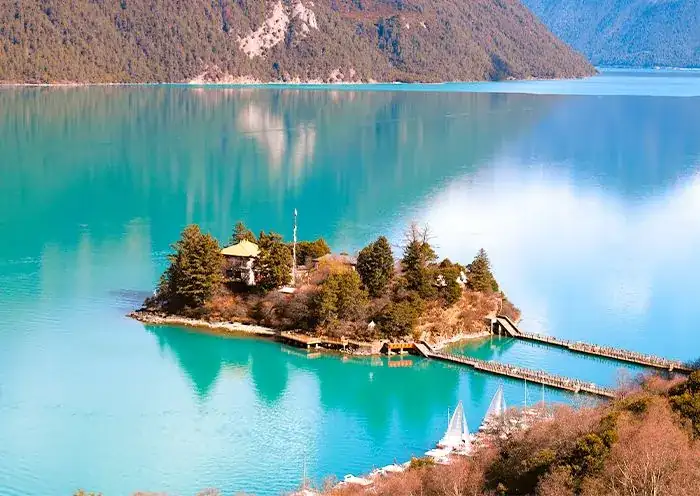
Basongcuo Scenic Area
3. Mild and comfortable climate
Nyingchi is influenced by warm, humid air currents from the Indian Ocean year-round, resulting in abundant rainfall, a humid climate, and suitable temperatures. This warm climate not only makes travel more comfortable for tourists but also helps them acclimatize to the high-altitude environment more quickly.
Therefore, the probability of experiencing altitude sickness while traveling to Nyingchi is very low. However, it's still important to take precautions against altitude sickness, such as avoiding strenuous exercise, getting plenty of rest, and maintaining a positive attitude. Even if altitude sickness does occur, it's usually mild and you can adapt quickly.
Tips:
Symptoms of altitude sickness generally include nausea, vomiting, tinnitus, headache, dizziness, chest tightness, loss of appetite, nasal congestion, insomnia, fatigue, and difficulty breathing. Symptoms may vary from person to person, and most are mild and can be adapted to within 1-2 days, so there is no need to worry too much.
3. Can the average person adapt to life in Nyingchi?
Unless you are in poor health or have a serious illness, most people can adapt to Nyingchi and will generally not experience significant altitude sickness. If you want to travel to Tibet but are worried about altitude sickness, it is recommended that you start your trip from Nyingchi. Nyingchi has a low altitude, high oxygen levels, and stunning scenery, including majestic mountains, beautiful glaciers, clear lakes, and ancient temples. The climate is also very comfortable, helping you quickly adapt to the high-altitude environment. The captivating natural scenery will add endless enjoyment to your Tibetan journey.
The golden sunrise over Namcha Barwa
IV. Scientific measures for altitude sickness prevention, mitigation, and adaptation.
1. Maintain a stable mindset; if you experience a high altitude, retreat three feet.
Don't scare yourself unnecessarily. The more you worry about altitude sickness, the more tense you become, and the faster your heartbeat will be, making you more likely to experience discomfort. Nyingchi, known as the "Little Jiangnan" of Tibet, has a relatively friendly altitude compared to other parts of Tibet. Maintaining a relaxed and cheerful mood is the best "antidote to altitude sickness."
2. On the first day of arrival, resolutely "lie down" to rest and recuperate.
Upon arriving in Nyingchi (especially in areas around 3000 meters above sea level, such as Bayi Town and Basongcuo Lake), it is strictly forbidden to shower, wash your hair, or engage in strenuous exercise on the first day. Get some rest early that evening to allow your body to gently "adjust" to the oxygen levels; this is the most crucial step in acclimatizing to the high altitude.
3. Drink plenty of water, but don't gulp it down, and definitely don't drink alcohol.
The high altitude and dry environment cause rapid water loss from the body. Drinking plenty of water can promote blood circulation and help the body adapt to the oxygen-deficient environment. However, it is crucial to avoid excessive drinking and absolutely avoid alcohol, as alcohol will increase the body's oxygen consumption and may cause headaches or even pulmonary edema.
4. Eat until you are 70% full, and take Rhodiola rosea in advance.
A full stomach diverts blood flow to the digestive organs, leading to insufficient oxygen supply to the brain. It is recommended to eat small, frequent meals after arriving in Tibet, only eating until you are about 70% full. Additionally, it is advisable to start taking Rhodiola rosea 7-15 days before departure; this is a preventative measure against altitude sickness, as last-minute efforts have limited effect.
Linzhi Peach Blossoms
5. Keeping warm is the top priority; catching a cold is an accomplice to altitude sickness.
Linzhi has strong sunshine and large temperature differences between day and night, so don't dress too lightly just to look stylish! Catching a cold is extremely slow to recover at high altitudes and can easily trigger severe altitude sickness. It is recommended to bring a windproof jacket and fleece to keep your body warm at all times.
6. Slow down your movements and let your breathing guide the rhythm.
When climbing stairs, carrying luggage, or walking, try to slow down your movements by half. Many scenic spots in Nyingchi, such as Mila Pass (5013 meters), have a large altitude range. Take a few deep breaths every few steps to feel the negative oxygen ions in the air. Do not run or shout loudly.
7. For mild discomfort, soothe it with food.
If you experience initial headaches or chest tightness, try drinking a cup of butter tea or hot barley porridge. The butter in butter tea can replenish energy and help the body stay warm. Many elderly Tibetans say, "Drinking butter tea will keep altitude sickness at bay."
8. Prepare life-saving equipment; having confidence gives you peace of mind.
Carry a portable oxygen cylinder with you (for emergencies, not for constant use), along with ibuprofen (to relieve severe headaches) and oral glucose solution (to replenish energy). If you experience severe breathing difficulties, cyanosis of the lips, or persistent vomiting, immediately evacuate the vehicle and seek medical attention; this is the bottom line for survival.
5. Nyingchi is the best destination to start your Tibet trip.
With an average altitude of about 3,100 meters, Nyingchi is one of the most altitude-friendly and mildest regions in Tibet. The area boasts lush vegetation, a humid climate, and abundant oxygen, so most people do not experience significant altitude sickness and their bodies adapt easily.
World-class scenic spots such as Lulang Forest, Niyang River, Namjagbarwa Peak, Midui Glacier, Yarlung Tsangpo Grand Canyon, and Bomi Peach Blossom Valley are scattered throughout the area, each worth taking your time to appreciate.
[Enjoy Tibet] 9-Day Tour of Lhasa, Nyingchi, Yamdrok Lake, and Shigatse
Lhasa-Kadinggou-Nyingchi-Basum Tso-Lhasa-Sera Monastery-Potala Palace-Yamdrok Lake-Shigatse-Tashilhunpo Monastery-Lhasa
If you're planning a trip to Tibet but worried about altitude sickness affecting your itinerary, Nyingchi is definitely your top choice as your first stop. It can help you smoothly transition, alleviate, or even avoid altitude sickness, allowing you to gradually acclimatize to the high-altitude environment amidst gentle scenery, so you can enjoy every step of the journey without regrets.
Photo gallery
Travel information can change. Check current opening hours, reservations and entry requirements before you travel.



Traveller discussion
Start the conversation with a helpful tip or a question.