
What month is the best to drive to Tibet?
What is the best month to drive to Tibet? (Edited 2022-05-31 09:11:43) The best months for driving to Tibet are April to June and August to November. From April to June, the weather along the Sichuan-Tibet Highway is generally good, with pleasant temperatures, less traffic, and better road conditions. The scenery along the way is also varied and i…
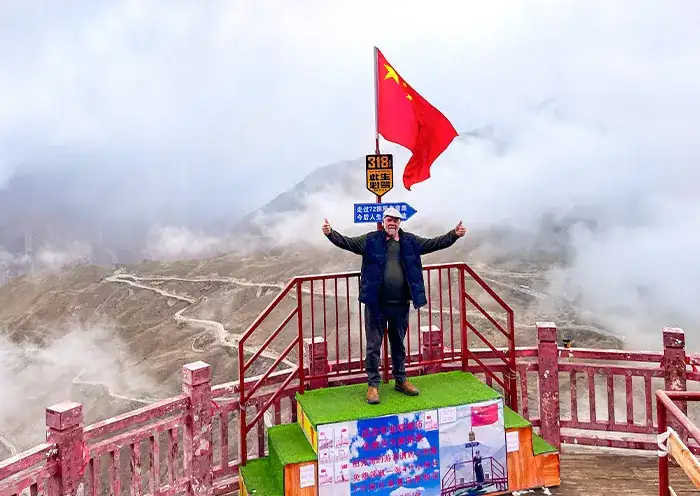
What month is the best to drive to Tibet?
Edited on 2022-05-31 09:11:43
There are several routes to choose from when driving to Tibet, including the Sichuan-Tibet Southern Route (National Highway 318), the Sichuan-Tibet Northern Route (National Highway 317), the Qinghai-Tibet Highway, the Xinjiang-Tibet Highway, and the Yunnan-Tibet Highway. This article only discusses the best time to drive the most popular route, the Sichuan-Tibet Southern Route (National Highway 318). Most tourists driving to Tibet choose to travel from Chengdu to Lhasa, and along the way, they can also visit the beautiful scenery of western Sichuan, such as Daocheng Yading, and enjoy the unique romance of Litang, the world's highest city. So, what is the best month to drive to Tibet along this route? The answer is spring and autumn.
The best time to drive to Tibet: early April to early June
The weather was good and the temperature was pleasant during this period.
In April, while some inland areas are beginning to experience early summer, the Sichuan-Tibet Highway is still chilly. Although it's a bit cool, the overall temperature is quite comfortable, although there's a significant temperature difference between day and night, and between sunny and cloudy days. When driving, keep the temperature in your car comfortable, and remember to wear warm clothing when you get out.
There were few vehicles on the road during that time period, and the road conditions were relatively good.
Except for the Chengdu-Kangding and Linzhi-Lhasa sections, which are expressways, the rest of the more than 1,000 kilometers of the Sichuan-Tibet Highway are all provincial roads with two lanes in each direction. These roads are relatively narrow, and if there is heavy traffic, driving can be difficult and overtaking can be dangerous. Traveling the Sichuan-Tibet Highway at this time of year means fewer vehicles, and except for the high-altitude sections, there is less rain and snow, making driving easier.
The scenery along the Sichuan-Tibet Highway is varied during this period, making it a good time for sightseeing.
Springtime along the Sichuan-Tibet Highway begins with the peach blossoms covering the mountains and plains during the Nyingchi Peach Blossom Festival. If you arrive a little earlier, you can also reach places like Bomi in Nyingchi to witness a grand peach blossom spectacle. Even if you miss the peach blossoms, there are still the alpine rhododendrons in May. By early June, in early summer, even the high-altitude areas are already covered in green, and the scenery along the Sichuan-Tibet Highway begins to reveal its captivating beauty.
Peach blossoms in Linzhi are in full bloom
The best time to drive to Tibet: late August to early November
The rainy season is over, the autumn sky is clear and the weather is comfortable.
This is the most comfortable time of year on the Sichuan-Tibet Highway. The sun shines brightly but it's not hot, and the temperature difference between day and night is within an acceptable range. The temperature is around 10-25 degrees Celsius. Enjoy the early autumn to the fullest!
The mountains are verdant and the waters are clear; behold the mountains ablaze with color, the forests dyed in vibrant hues.
Don't miss the colorful autumn forests. You can feel the rich autumn colors in Xinduqiao, a photographer's paradise, Bomi, Lulang, and the grasslands of Batang. Seeing the sister lakes nestled together at Haizi Mountain Pass, admiring the golden ginkgo trees in Xinduqiao, and seeing the Midui Glacier and Laigu Glacier in Bomi will make this self-driving journey along the Sichuan-Tibet Highway rich and unforgettable.
Avoid peak season, travel during off-peak hours, and ensure smooth roads.
After the peak tourist season in Tibet during the summer vacation, there are fewer vehicles on the road now, and the parking lots at the roadside viewing platforms are no longer packed with people. Feel free to park and enjoy the scenery, take photos, and check in.
Scenery along the Sichuan-Tibet Highway
Why are other times unsuitable for a self-driving trip to Tibet?
1. July and August are the rainy season, and the road conditions are poor. Some sections of the road are at risk of mudslides and landslides. In addition, the Sichuan-Tibet Highway has many curves, which is very unfriendly to self-driving drivers.
2. July and August are the peak tourist season in Tibet. There are many vehicles on the road, and passing other vehicles is risky. In addition, the prices of food and accommodation along the way will also increase with the peak season.
3. Winter brings frequent rain and snow, and roads in high-altitude areas are prone to icing, posing safety hazards. Sections of the Sichuan-Tibet Highway remain at high altitudes and are susceptible to snow and ice in winter; drivers without experience driving on snowy roads should absolutely not attempt to travel on them.
4. The scenery in winter is monotonous, with most areas being a vast expanse of white or yellowish-brown barren land. Compared to other times of the year, the scenery along the Sichuan-Tibet Highway in winter does not display its inherent charm at all.
5. Altitude sickness is common in high-altitude areas during winter, causing discomfort for both drivers and passengers. The dry winter climate exacerbates the condition, making it especially important to be cautious when driving the Sichuan-Tibet Highway.
In conclusion, spring and autumn are the best seasons to drive the Sichuan-Tibet Highway to Tibet. If timed well, you can see many different landscapes: spring offers flower viewing and lakes, while autumn showcases snow-capped mountains and colorful forests. Summer is the second best season; although there is more rain, altitude sickness is relatively mild, and the scenery along the way is lush and vibrant. Winter is the least suitable time to drive the Sichuan-Tibet Highway to Tibet. The scenery along the way is monotonous, mostly white and yellowish-brown, the roads are prone to icy conditions, and altitude sickness is more likely. If you want to go to Tibet in winter, it's better to take the train or plane; the train journey offers a unique winter experience in Tibet.
[G317+G318] Chengdu-Seda-Xinduqiao-Daocheng Yading-Litang-Bomi-Nyingchi-Lhasa 10-Day 9-Night Group Tour
This 10-day small group tour of the Sichuan-Tibet Highway (South and North routes) departs from Chengdu and includes visits to classic attractions such as Seda Buddhist Academy, Sky Burial Site, Xinduqiao, Daocheng Yading, Bomi, Ranwu Lake, Midui Glacier, Namcha Barwa Peak, and Lulang Forest.
Little-known facts about Tibet
Why is it not recommended to drive to Tibet in winter?
I. Comparison of self-driving and airfare costs. Self-driving costs: There are five main expenses on a self-driving trip: food and accommodation, fuel, tolls, and vehicle maintenance. For a trip from Chengdu to Lhasa, food costs will be between 100-120 yuan per day. In winter, the off-season, hotel costs will be between 150-200 yuan. In peak season, a decent hotel will cost 500-600 yuan. Fuel costs for the entire trip will be approximately 2500 yuan, plus 700 yuan in tolls. I personally recommend preparing 2000 yuan as a reserve for vehicle maintenance.
The entrance fees for attractions along the route are as follows:
Luding Bridge entrance fee: 10 yuan/person
Hailuogou Scenic Area entrance fee: 90 yuan/person; sightseeing bus: 60 yuan/person; sightseeing cable car: 150 yuan/person (round trip).
Daocheng Yading entrance fee: 150 yuan/person; sightseeing bus: 120 yuan/person; electric cart: 80 yuan/person; horse riding fee within the scenic area: 500 yuan (round trip).
Midui Glacier entrance fee: 50 yuan/person, sightseeing bus: 36 yuan/person, insurance: 10 yuan/person, horseback riding: 100 yuan/person
Laigu Glacier entrance fee: 20 yuan/person
Basongcuo entrance fee: 120 yuan/person, sightseeing bus: 50 yuan/person.
If you're driving the Sichuan-Tibet Highway without visiting any tourist attractions, let's assume a three-day, two-night trip. The one-way cost for one person and one car would be 3800 yuan. Airfare (for example, to Chongqing) is between 1500-2000 yuan in summer and 400-600 yuan in winter. Considering all this, flying is both convenient and economical.
Second, everyone knows that driving to Tibet is exhausting, mentally taxing, and physically demanding. You're already so tired from driving in, and then you have to drive back. Even if you choose to ship it back, it will cost several thousand yuan.
Third, road conditions on routes into Tibet are highly variable in winter. If you're unlucky and encounter heavy snow blocking the mountain passes, you might be stuck there for hours or even more than ten hours. Overall, I really don't recommend self-driving in winter. If you particularly enjoy freedom, you can hire a car in Tibet.
Related Articles
[Sichuan-Tibet Highway Map] 2026 China Sichuan-Tibet Highway Tourist Map and Sichuan-Tibet Scenic Spot Map (High-Resolution Version)
Don't hesitate about the best way to travel the Sichuan-Tibet Highway: group tour, chartered car, or self-driving – this article tells you how.
[2026 Sichuan-Tibet Highway Cycling Guide] This article will help you easily master the best Sichuan-Tibet cycling plan (including costs).
[Sichuan-Tibet Highway Charter Guide] Six Steps to Easily Plan Your Perfect Sichuan-Tibet Highway Trip from Chengdu to Lhasa
[2026 Sichuan-Tibet Northern Route G317 Travel Guide] A practical travel guide you can't miss for your first trip to Tibet via the Sichuan-Tibet Highway.
[2026 Sichuan-Tibet Southern Route G318 Travel Guide] Ten Steps to Easily Plan Your Perfect Sichuan-Tibet Trip
[Best Time to Travel the Sichuan-Tibet Highway] A comprehensive guide to the best travel time and popular itineraries along the Sichuan-Tibet Highway.
[Altitude of the Sichuan-Tibet Highway] What is the altitude of the Sichuan-Tibet Highway (National Highways 318 and 317)? Will altitude sickness occur?
Are foreigners and Taiwanese allowed to travel on the Sichuan-Tibet Highway?
The Most Comprehensive Guide for Hong Kong Residents to Drive to Tibet: Route + Pre-Trip Preparations
Travel information can change. Check current opening hours, reservations and entry requirements before you travel.


Traveller discussion
Start the conversation with a helpful tip or a question.