
15 Must-Know Questions for Traveling from Chengdu to Tibet in 2027: Transportation, Itinerary, Costs, Altitude Sickness, and Documentation Explained (A Beginner's Guide to Avoiding Pitfalls)
Traveling to Tibet from Chengdu is the choice of 90% of tourists, widely recognized as the most convenient, versatile, and adaptable way to enter Tibet. With well-developed transportation, mature transit facilities, and gradual altitude increases, it's suitable for both short trips and long, in-depth journeys. However, most first-time visitors to …
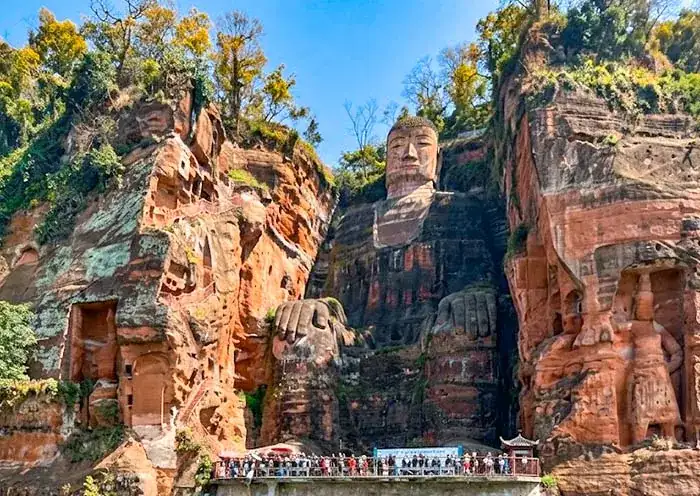
Traveling from Chengdu to Tibet is the choice of 90% of tourists, widely recognized as the most convenient, versatile, and adaptable way to enter Tibet. With well-developed transportation, mature transit facilities, and gradual altitude increases, it's suitable for both short trips and long, in-depth journeys. However, most first-time visitors to Tibet struggle with various issues such as transportation, itinerary, altitude sickness, budget, and documentation. This article addresses 15 of the most frequently asked, most common, and most practical questions from tourists, providing a clear guide for beginners to avoid pitfalls, unnecessary expenses, and regrets! It also incorporates the latest policies and real-world travel experiences, along with clear tables for comparison, offering a wealth of practical information for easy reference and immediate guidance.
1. What are the reasons for traveling from Chengdu to Tibet?
Chengdu is the easiest, most scenic, most enriching, and most well-established starting point for ordinary people to travel to Tibet.
1. Excellent geographical location:Chengdu, as the gateway to Tibet from southwest China, is closer to Tibet and has frequent flights and trains, making travel very flexible.
2. Altitude transition friendly:Chengdu is only 500 meters above sea level. Whether you take the train or drive the Sichuan-Tibet Highway, you can gradually acclimatize to the plateau and greatly reduce the probability of altitude sickness.
3. Diverse travel options:It covers all modes of transportation, including airplanes, trains, self-driving, chartered cars, and group tours, catering to different holidays and budgets, catering to all tastes.
4. Comfortable transit experience:With excellent food, accommodation, and transportation, you can take a short rest before entering Tibet to conserve your energy and make your trip to Tibet easier.
5. The scenery is rich in layers:The route connects plains, canyons, snow-capped mountains, grasslands, glaciers, forests, sacred lakes, and holy mountains, offering a truly immersive scenic experience.
Summarize
Whether it's your first time visiting Tibet, a family trip, a group of elderly people or children, or you're into photography, driving, or hiking, you can find the most suitable way to travel from Chengdu.
II. Transportation options from Chengdu to Tibet: Plane, train, or road – which is best?
Currently, there are three main ways to travel from Chengdu to Lhasa, Tibet: by plane, train, and road. Airplane is the fastest, train is the most classic way to enter Tibet, and road travel offers the best scenery. You can choose the most suitable mode of transportation based on your time, travel preferences, budget, and physical condition. The table below provides a clear and concise overview to help you make a quick selection:
| modes of transportation | Trip duration | Reference mileage | Core advantages | shortcoming | Suitable for | Remark |
|---|---|---|---|---|---|---|
| direct flight | Approximately 2.5 hours | Approximately 1261 kilometers | It saves time and effort, offers flexible itineraries, and is suitable for short trips. | The sudden increase in altitude can easily trigger mild altitude sickness; ticket prices are relatively high during peak season. | Short holidays, family trips, elderly people and children, and tourists who don't want to get tired. | Chengdu Tianfu/Shuangliu Airport has multiple flights daily, mainly early morning flights. |
| direct train | Approximately 34.5 hours | Approximately 3070 kilometers | The altitude increases slowly, resulting in the mildest altitude sickness; along the way, you can enjoy the stunning scenery of the Qinghai-Tibet Highway. | It takes a long time, the journey is tiring, and tickets are in short supply during peak season. | Slow travel enthusiasts, photography buffs, and people sensitive to high altitudes. | Trains from Chengdu to Lhasa depart every other day, not daily. Alternatively, you can take the high-speed train from Chengdu to Xining (approximately 9-10 hours), then transfer to a regular train to Tibet (approximately 19.5-21.5 hours). |
| Sichuan-Tibet Highway (G318) | 7–10 days | Approximately 2159 kilometers | The route is lined with numerous scenic spots, boasts stunning natural landscapes, and offers a high degree of freedom. | The journey is long, and some sections of the road have complex conditions and are prone to traffic jams. | In-depth travel enthusiasts, self-driving enthusiasts, photography aficionados, and long-distance travelers. | If you are a beginner, it is recommended to join a group tour/carpool, and it is not recommended to drive yourself without proper guidance. |
Final Recommendation
If you're short on time, choose a plane; if you value the experience, choose a train; if you're looking for panoramic views, choose the G318 Sichuan-Tibet Highway.
Best combination (the most comfortable of countless):Fly into Tibet (saves time) + Take the train out of Tibet (enjoy the scenery)
3. When traveling from Chengdu to Tibet, should we go to Lhasa first or Nyingchi? Which is better?
There are direct flights from Chengdu to Lhasa and Linzhi, making travel to these two cities from Chengdu very convenient. If you're unsure which place to visit first, the following information will help you quickly narrow down your choices:
| Travel options | Average altitude | Core advantages | insufficient | Suitable for |
|---|---|---|---|---|
| First Nyingchi, then Lhasa | 2900m | The area boasts lush vegetation, abundant oxygen, a humid climate, and a low probability of altitude sickness; its forest and lake landscapes are incredibly therapeutic. | Additional transfer required | First-time visitors to Tibet, elderly people, those afraid of altitude sickness, and tourists on long-distance trips. |
| Arrive directly in Lhasa | 3650m | Skip the transfer, save time, and go directly to the core attractions. | The altitude is relatively high, and it takes 2-3 days to acclimatize. | Short-term trips, second trips to Tibet, and people acclimatizing to high altitudes. |
Summarize
For beginners: Nyingchi → Lhasa; If you're in a hurry: go directly to Lhasa; For in-depth travel: Nyingchi → Lhasa → Shigatse/Yamdrok Lake.
Optimal order (verified by 90% of visitors):Chengdu → Nyingchi (2-3 days to acclimatize) → Lhasa (2-3 days) → Yamdrok Lake/Namtso Lake
Best itinerary between Nyingchi and Lhasa:
IV. What is the best time/season to travel from Chengdu to Tibet?
| Travel season | Corresponding month | Scenic Features | travel advantages | Suitable for | Precautions |
|---|---|---|---|---|---|
| spring | April–June | Peach blossoms and rhododendrons are in full bloom in Nyingchi, with clear snow-capped mountains and azure lakes. | Fewer tourists, affordable hotels, and a mild climate. | Photography, flower viewing, quiet travel, tourists visiting Tibet for the first time. | The temperature difference between day and night is large, so be sure to prepare warm clothing. |
| summer | July–August | The grasslands are lush and green, with wildflowers everywhere, making it an excellent place to escape the summer heat. | The vegetation is lush and the landscape is rich, which reduces the probability of altitude sickness. | Students, families, and grassland scenery enthusiasts. | Rainy season brings frequent rain, and some roads are prone to congestion. This is also the peak summer season, so it's recommended to book hotels in advance. |
| autumn | September–October | The forests are golden, the lakes are azure, and the snow-capped mountains have the highest visibility. | Stable weather, great photos, and an excellent experience. | Photography enthusiasts, in-depth travelers, and tourists seeking cinematic experiences. | It's peak season, so accommodations and flights need to be booked in advance. |
| winter | November–March | The snow-covered landscape is magnificent, the glaciers are vast, and the sunshine is abundant. | Ticket discounts, accommodation discounts, less crowded and quiet. | Budget-conscious travelers, those who prefer a relaxed, laid-back lifestyle, and those who enjoy quiet and the warm winter sun. | Due to the cold weather, some scenic spots may be closed, and some remote road sections may be under temporary traffic control due to poor road conditions. |
Summarize
My first trip from Chengdu to Tibet:The best times to visit are April to June and September to October, when the weather is most stable, road conditions are best, snow-capped mountains are clearest, there are fewer crowds, and prices are more affordable, making the Sichuan-Tibet Highway at its most scenic.
Seeking value for money:Choose November to March of the following year for fewer crowds, half-price hotels, cheaper airfares, and plenty of sunshine during the day – perfect for a relaxed, laid-back trip.
Family trips:I recommend July or August, as it's summer vacation and the timing is perfect. At this time, the Tibetan grasslands are at their greenest and the flower fields are at their most beautiful, but there's more rain, occasional traffic jams, and prices are higher.
V. What are some recommended tourist attractions in Tibet from Chengdu?
| Play area | Must-visit attractions | Highlights of the trip |
|---|---|---|
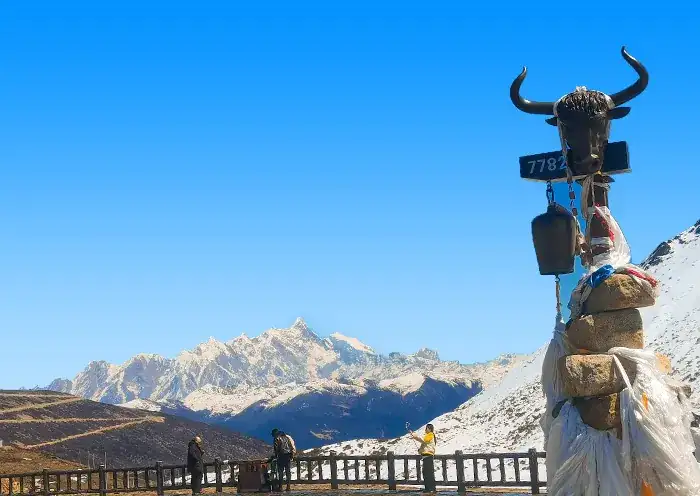
| Linzhi area | Yarlung Tsangpo Grand Canyon (the world's largest canyon), Namcha Barwa Peak (China's most beautiful snow mountain), Sosong Village (a photographer's paradise), Lulang Forest (Swiss scenery), and Basongcuo Lake (Little Switzerland of the East). | The snowy Jiangnan region is covered with dense forests and has a mild climate, making it an excellent spot for viewing Namcha Barwa Peak. |
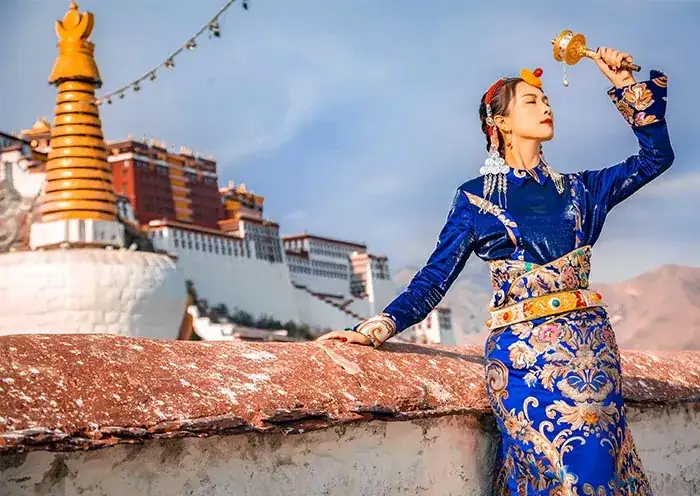
| Lhasa area | Potala Palace (a World Heritage Site), Jokhang Temple (a sacred site of Tibetan Buddhism), Barkhor Street (a thousand-year-old pilgrimage route), and Yamdrok Lake (one of the "Three Holy Lakes" of Tibet). | Located at the heart of Tibetan culture, it boasts a rich cultural heritage and breathtaking scenery of sacred lakes. |
| Along the Sichuan-Tibet Highway | Xinduqiao (a world of light and shadow), Maoya Grassland (one of the six most beautiful grasslands in China), Nujiang 72 Bends (a miracle of Chinese highways), Ranwu Lake (a sapphire of the plateau). | With snow-capped mountains and canyons as companions, the scenery changes with every step, making it the ultimate scenic drive. |
| Depth line of the rear area | Tashilhunpo Monastery (the center of Buddhism in Tsang), Everest Base Camp (the closest place to the top of the world), and Namtso Lake (one of the "Three Holy Lakes" of Tibet). | Discover hidden gems and experience the profound Tibetan faith and the beauty of the high-altitude wilderness. |
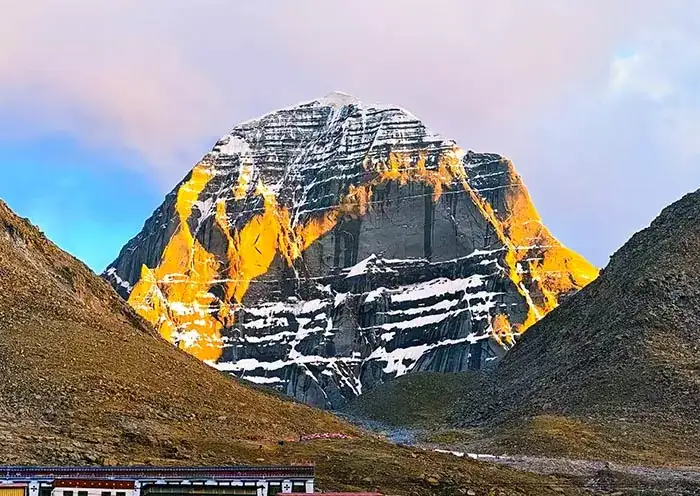
| Ali Loop Tour | Mount Kailash (the center of the world), Lake Manasarovar (one of the three holy lakes of Tibet), the ruins of the Guge Kingdom (a mysterious ancient kingdom on the plateau), and the Zanda Earth Forest (the foremost of China's three major earth forests). | Located at the heart of the roof of the world, it is home to numerous sacred sites and magnificent wilderness. |
VI. How to better plan an itinerary for a trip from Chengdu to Tibet?
1. Chengdu to Lhasa 6-Day Essential Tour
Suitable:This is the preferred route for first-time visitors to Tibet with limited time.
Day 1: Arrival in Chengdu: Airport pick-up + Hotel check-in
Day 2: Chengdu Day Trip: Chengdu Panda Base + Wenshu Monastery + People's Park + Jinli Ancient Street
Day 3: Chengdu to Lhasa: Airport transfer + Hotel check-in
Day 4: Lhasa City Tour: Jokhang Temple + Sera Monastery + Barkhor Street
Day 5: Lhasa City Tour: Potala Palace + Drepung Monastery
Day 6: Departure from Lhasa: Airport/Station Transfer Service
2. Chengdu to Lhasa, Tibet Train Classic 7-Day Tour
Suitable:Tourists who enjoy a slow-paced trip, explore the scenery of Qinghai and Tibet, and leisurely stroll through classic attractions in Chengdu and Lhasa.
Day 1: Arrival in Chengdu: Airport pick-up + Hotel check-in
Day 2: Chengdu Day Trip: Chengdu Panda Base + People's Park + Kuanzhai Alley
Day 3: Enjoy the Qinghai-Tibet Railway journey
Day 4: Arrival in Lhasa: Airport/train station pick-up + hotel check-in
Day 5: Lhasa City Tour: Jokhang Temple + Sera Monastery + Barkhor Street
Day 6: Lhasa City Tour: Potala Palace + Drepung Monastery
Day 7: Departure from Lhasa: Airport/Station Transfer Service
3. Chengdu to Lhasa 10-Day Panoramic Tour
Suitable:Tourists enjoy in-depth tours and take photos of the scenery along the Sichuan-Tibet Highway.
Day 1: Arrival in Chengdu from all over the country
Day 2: Chengdu - Kangding - Honghaizi/Zheduoshan - Xinduqiao - Yajiang
Day 3: Yajiang - 18 Bends of the Sky Road - Litang Letong Ancient Town - Maoya Grassland - Sister Lakes - Cuopu Valley Entrance/within the scenic area
Day 4: Cuopu Valley entrance/within the scenic area - Cuopu Valley - Mangkang
Day 5: Mangkang - Dongdashan - Zuogong - 72 Bends of the Heavenly Road - Basu
Day 6: Basu - Ranwu Lake - Midui Glacier - Bomi
Day 7: Bomi - Guxiang Lake - Lulang - Tibetan Village (butter tea, tsampa making, horseback riding, archery) - Sejila Mountain - Nyingchi
Day 8: Nyingchi - Basongcuo Lake - Lhasa
Day 9: Potala Palace - Jokhang Temple - Barkhor Street
Day 10: Tour End Day (Transfer to Lhasa Gonggar International Airport)
7. What documents are needed for traveling to Tibet from Chengdu?
| Tourist types | Required documents | Additional Pass Materials | Scope of application |
|---|---|---|---|
| Mainland Chinese tourists | ID card | Border permits (Mount Everest, Ali, Medog) | All regular scenic spots and border areas in Tibet. |
| Chinese tourists from Hong Kong, Macao and Taiwan | Home Return Permit/Taiwan Compatriot Permit | If traveling to border areas such as Ali, a border permit is also required. Taiwanese compatriots traveling to Tibet need to use a legitimate travel agency to handle their Tibet Entry Permit, Border Permit, and Military Region Permit (required for border areas). | Hong Kong and Macao tourists can travel freely to Tibet, but Taiwanese compatriots need to travel through Tibetan travel agencies in groups and are prohibited from traveling independently. |
| Foreign tourists | Passport + Valid Visa | Tibet Entry Permit + Travel Permit + Border Permit + Military Region Permit. | Foreign tourists cannot travel independently in Tibet; they can only join tours through Tibetan travel agencies. All documents are handled by the travel agency, and the tour routes are limited. |
8. How many days are most suitable for a trip from Chengdu to Tibet?
1. Extreme Challenge (5 days)
If you have a short vacation but want to see the most essential sights in Tibet, I recommend a 5-day trip. This will allow you to visit the classic attractions of Lhasa, the holy city, and also take a trip to the stunning Yamdrok Lake.
2. Leisure and recreation (7 days)
If you prefer a more relaxed pace and the opportunity to visit famous Tibetan attractions, a 7-day trip is recommended. This allows you to not only see stunning natural landscapes but also experience captivating cultural sites, providing a more complete and leisurely experience without rushing.
3. Panoramic Long Tour (10-12 days)
If you want to fully experience the panoramic scenery of Tibet, we recommend a 10-12 day trip, which will take you to see the most popular attractions in Tibet and unlock the scenery of Lhasa, Nyingchi, Shigatse, Mount Everest, and the Sichuan-Tibet Highway.
4. In-depth check-in (13-16 days)
If you want to explore Tibet in depth, consider spending 13-16 days. In addition to visiting classic scenic spots such as Dakassa and Yamdrok Lake, you can also go to Shigatse and Ngari for in-depth exploration and unlock the breathtaking scenery of Mount Everest and Mount Kailash.
9. Can foreigners and Taiwanese compatriots travel from Chengdu to Tibet via the Sichuan-Tibet Highway?
Foreign tourists and Taiwanese compatriots can transit through Chengdu and travel along the Sichuan-Tibet Highway to Tibet, but there are clear restrictions:
✅ Independent travel and self-driving are not permitted; you must travel with a licensed Tibet tour group throughout the entire trip.
✅The Tibet Entry Permit is a mandatory requirement and can only be processed by qualified travel agencies in Tibet.
✅For remote areas such as the Sichuan-Tibet Highway, Mount Everest, and Ali, the travel agency will coordinate routes and vehicles.
✅The itinerary, accommodation, and tour guide will be arranged uniformly throughout the trip, and the route cannot be changed at will.
In short
Foreigners and Taiwanese compatriots traveling from Chengdu to Tibet can only travel in tour groups, not independently.
10. How much does it cost to travel from Chengdu to Tibet?
| Classification | Fees (RMB) | Remark |
|---|---|---|
| transportation | 1200-10000 yuan/one way | The price difference between airfare and train fares varies greatly depending on the season, and the cost of transportation to Tibet also varies from region to region. Please check the ticket price on the day of your trip. The various attractions in Tibet are far apart, and local transportation costs approximately 800-1800 yuan per day, depending on your destination. |
| stay | 100–3500 yuan/night | Budget accommodations cost approximately 100–200 yuan per night; comfortable accommodations cost approximately 300–800 yuan per night; and high-end accommodations cost approximately 1000–3500 yuan per night. Furthermore, accommodations in Lhasa city are more expensive, while those in the Everest/Ali areas are simpler and cheaper. |
| Tickets | The price per person ranges from 200 to 2000 yuan. | Potala Palace: 100 yuan in the off-season / 200 yuan in the peak season; Yamdrok Lake: 60 yuan in the off-season / 120 yuan in the peak season; Mount Everest Base Camp: 280 yuan, etc. Some scenic spots are free in the off-season. |
| FOOD | 80–150 yuan/person/day | Affordable meals cost approximately 80-100 yuan per day; specialty meals cost approximately 120-150 yuan per day, with options to suit different budgets. It's worth noting that food is more expensive in scenic areas, so bringing your own food or sharing meals with others is more economical. |
| Personal consumption | 500–2000 yuan/person | Includes altitude sickness medication, oxygen, local specialties, photo opportunities, horseback riding, etc., depending on your personal spending habits. |
Tips: If this is your first time visiting Tibet, we recommend choosing a group tour. It's more convenient, less strenuous, and safer. You won't need to worry about the itinerary and transportation, resulting in a better travel experience. Plus, since you're traveling with others, you can share the costs, making it more affordable.
11. How many days should I stay in Chengdu when traveling from Chengdu to Tibet?
If you're traveling from Chengdu to Tibet, it's recommended to spend 1-2 days in Chengdu. Chengdu has a low altitude, delicious food, and is a good place to adjust your schedule, acclimatize, and conserve your energy. This also avoids going directly to Tibet after getting off the high-speed train/plane, allowing your body to relax more.
Stay for 1 day:Take a stroll through popular attractions like Wuhou Temple, Jinli Ancient Street, and Kuanzhai Alley, and enjoy an authentic Chengdu hot pot meal to make the transition easy.
Stay for 2 days:Add to that famous surrounding attractions such as the Panda Base, Dujiangyan, and Qingcheng Mountain, and you can deeply experience the charm of the "Land of Abundance" at a more comfortable pace.
12. If I want to stop and visit Chengdu, should I do so before entering Tibet or after leaving Tibet?
| Time selection | Advantages | Precautions |
|---|---|---|
| Pre-trip travel to Tibet | "Being well-rested, well-fed, and fully energized before heading to the plateau will make you feel more relaxed; after exploring Chengdu, heading into Tibet will be filled with excitement and anticipation." | Avoid staying up late, eating spicy hot pot, and drinking alcohol to prevent altitude sickness. |
| Traveling after leaving Tibet | Returning from the high plateau, you'll feel relaxed, have a better appetite, and enjoy your trip even more. | There are no altitude restrictions, so you can enjoy the food and attractions without worry. |
Summarize
Whether you visit Chengdu before or after entering Tibet, it's a great option. However, it's recommended to explore Chengdu before entering Tibet and then head straight home afterward; this will allow you to be more physically stable and have a better experience.
13. Will I experience altitude sickness if I travel from Chengdu to Tibet? What are some ways to cope?
| Altitude sickness stage | Common symptoms | Practical countermeasures |
|---|---|---|
| Mild altitude sickness (common) | Headache, fatigue, insomnia, shortness of breath | Slow down your pace, drink plenty of warm water, eat a light diet, and get plenty of rest. |
| Moderate high altitude sickness | Nausea, chest tightness, loss of appetite | Reduce outdoor activities, inhale oxygen as needed, and avoid bathing and washing your hair. |
| Severe altitude sickness (rare) | Difficulty breathing, vomiting, and cyanosis of the lips | Immediately descend to a lower altitude area, seek medical attention promptly, and terminate the trip. |
Tips: Most people traveling from Chengdu to Lhasa have a very low chance of experiencing altitude sickness. Even if they do, it's usually mild, and they can adapt within 2-3 days. Altitude sickness isn't scary. Maintain a calm mindset, move slowly, and avoid strenuous activity for the first 3 days; you'll generally adapt smoothly, so don't panic.
14. Can foreigners transiting through Chengdu to Tibet only travel in tour groups?
Foreigners transiting through Chengdu to Tibet cannot travel independently and must join a tour group through a Tibetan travel agency. All necessary documents, such as the Tibet Entry Permit and border pass, will be handled by the travel agency. The travel agency will also manage the entire itinerary, transportation, and accommodation, strictly adhering to Tibetan tourism policies.
15. What are some things to keep in mind when traveling from Chengdu to Tibet?
1. Don't try to tough it out if you experience altitude sickness:For the first three days, walk slowly, do not shower, do not drink alcohol, and do not stay up late.
2. The three-layer clothing method:With large temperature differences between day and night, and four seasons in a single day, it is recommended to wear an "onion layer" of quick-drying clothes, fleece, and a windproof jacket. A light down jacket should be carried in all seasons.
3. Be ruthless with sun protection:Tibet has extremely strong ultraviolet radiation, so sunglasses, hats, face masks, and high-SPF sunscreen (50+) are essential.
4. Respect local culture:Do not take photos of locals without asking first; do not step on prayer flags, and turn prayer wheels clockwise; do not wear short skirts, hats, or make noise in temples.
5. Keep some cash on hand:In remote areas, the signal is poor and mobile payment sometimes fails.
6. Don't buy local specialties indiscriminately:Purchase cordyceps, Tibetan incense, and Thangka paintings from reputable stores; do not be tempted by cheap prices from street vendors.
7. Eat a light diet:Eat more vegetables, drink more water, and eat less oily and spicy food.
From Chengdu to Tibet, it's a gentle journey from the hustle and bustle of everyday life to the pristine snow-covered land. Planes pierce through the clouds, trains climb over mountains, and highways wind their way towards the snow-capped peaks... Every road holds a unique and breathtaking experience.
Lhasa Tourism, Nyingchi Tourism, Shigatse Tourism, Mount Everest Tourism, Mount Kailash Tourism, Tibet Group Tours, Tibet Hiking Tours, Tibet Cycling Tours, Tibet Festival Tourism
Can Taiwanese people travel to Tibet? This comprehensive guide to traveling to Tibet, including the latest policies in 2027, application procedures for Tibet Entry Permits, ways to enter Tibet, recommended itineraries, budget costs, altitude sickness prevention, and regulations for group tours, will help you travel directly to Tibet without making any mistakes and fully enjoy the beautiful scenery!
The 2027 Tibet Specialty Products Guide lists the unique specialties of Tibet's 7 prefectures and cities, the top 12 must-buy specialties/souvenirs, authentic purchasing channels, real prices, anti-fraud tips and purchasing methods, so that first-time buyers of Tibetan specialties can avoid pitfalls and wasting money.
How to plan a chartered car tour in Tibet in 2027? This article details the cost of chartering a car in Tibet, the selection of SUVs/minivans, classic routes in Lhasa/Nyingchi/Ali, tips for choosing a reliable driver, and precautions to avoid pitfalls, providing a one-stop solution for all your chartered car tour questions in Tibet.
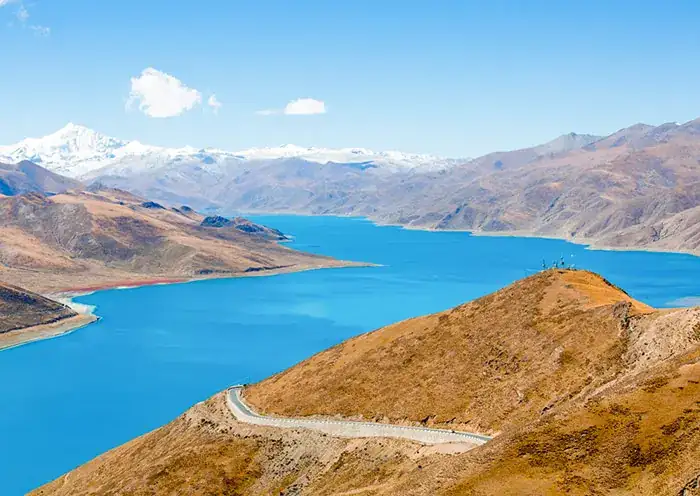
What is the altitude of Lhasa? The average altitude of Lhasa city is 3650 meters. This article includes altitude data for popular attractions such as the Potala Palace, Jokhang Temple, and Namtso Lake. It also details the early signs of altitude sickness, prevention methods, and emergency relief measures, providing a quick and practical reference for first-time visitors to Tibet.
What are some delicious foods in Tibet? This list of 15 must-try Tibetan specialties is a must-do for any trip to Tibet. Local delicacies like butter tea, yak meat, Tibetan pork, and stone pot chicken are favorites among locals. You haven't truly experienced Tibet until you've tried at least 5 of these! The list also includes prices, cooking methods, customs, and foods suitable for altitude sickness.
How much will it cost to travel to Tibet in 2027? This article breaks down the costs of transportation, accommodation, food, entrance fees, personal expenses, and group tours, and shares practical money-saving tips to help you easily plan your Tibet trip budget and avoid wasting money.
The average altitude of Nyingchi, Tibet, is about 3,100 meters, making it one of the lower-altitude areas in Tibet. Most people in Nyingchi do not experience altitude sickness and can adapt quickly. This article provides a complete and scientific guide to preventing, alleviating, and adapting to altitude sickness, making it an essential read for beginners traveling to Tibet.
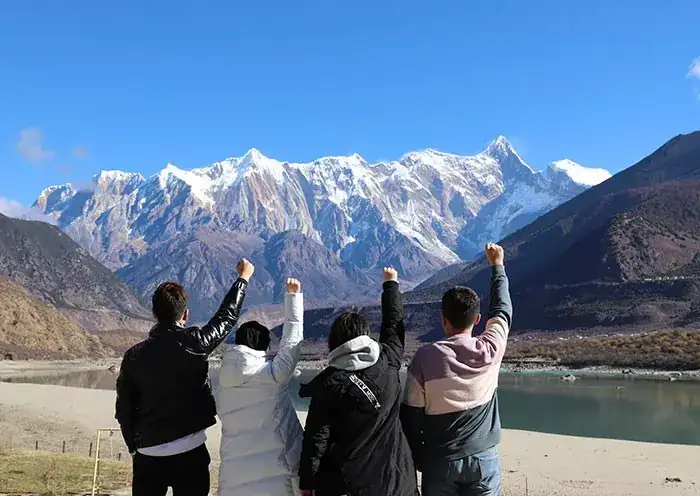
Hong Kong to Lhasa, Tibet Travel Guide: From comparing transportation options (flights, Qinghai-Tibet train, and highways – advantages and disadvantages at a glance), essential documents (only a Home Return Permit is needed, no Tibet Entry Permit required for greater convenience), to budget, best travel season (April-October), packing list, emergency response tips, and frequently asked questions such as whether there are direct flights and how to apply for a Tibet Entry Permit, this comprehensive guide will save you 99% of the trouble.
2026 Tibet Pilgrimage Guide: This guide covers all aspects of the pilgrimage to Mount Kailash in the Year of the Horse, including reasons, routes, costs, time, preparations, and tips, to help you successfully complete this sacred journey.
The Saga Dawa Festival in 2027 will be held on May 31st (Gregorian calendar). The 15th day of the fourth month of the Tibetan calendar is the most sacred festival in Tibetan Buddhism, traditionally believed to be the birthday, enlightenment, and death anniversary of the founder of Buddhism, Siddhartha Gautama. On the 15th day of the fourth month of the Tibetan calendar (May 31st, 2027), the number of people circumambulating sacred sites in Tibet will reach its peak, and locals can be seen circumambulating these sites everywhere in Lhasa.
A comprehensive guide for Taiwanese people to circumambulate Mount Kailash in Ali: This guide includes information on how to make the pilgrimage, the route, recommended tours, costs, best times, equipment, and precautions. It answers all your questions in one article.
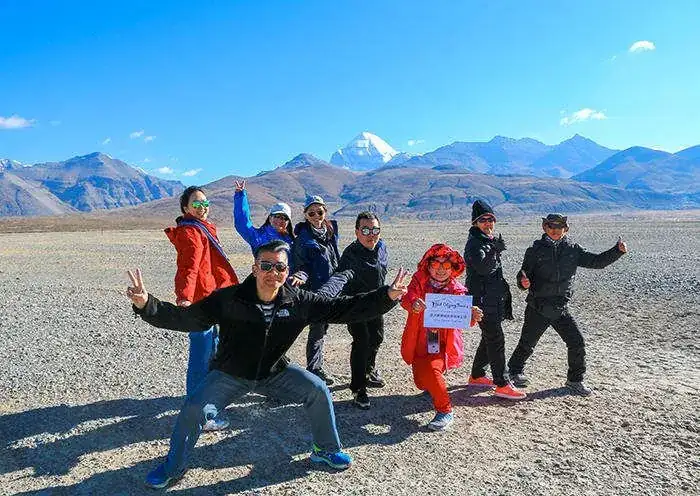
Photo gallery
Travel information can change. Check current opening hours, reservations and entry requirements before you travel.

Traveller discussion
Start the conversation with a helpful tip or a question.