
2027 Shanxi Tourism Map Complete Guide: City Transportation + Attraction Distribution + Golden Route Map Guide (Full Version)
It's often said that "Shanxi is the place to see cultural relics on land," but first-time tourists can easily get overwhelmed by the hundreds of historical sites, unsure where to go, how to plan their routes, or how to get around. This latest Shanxi tourist map and comprehensive guide thoroughly explains city transportation, attraction distributio…
It's often said that "Shanxi is the place to see cultural relics on land," but first-time visitors to Shanxi can easily get overwhelmed by the hundreds of historical sites, unsure where to go, how to plan their routes, or how to get around. This latest Shanxi tourist map and comprehensive guide thoroughly explains city transportation, attraction distribution, and optimal routes, helping you efficiently plan your Shanxi trip, avoid backtracking, and ensure you don't miss the highlights. It's very beginner-friendly.
I. Shanxi Province Map: City Tourism Highlights + Core Transportation Guide
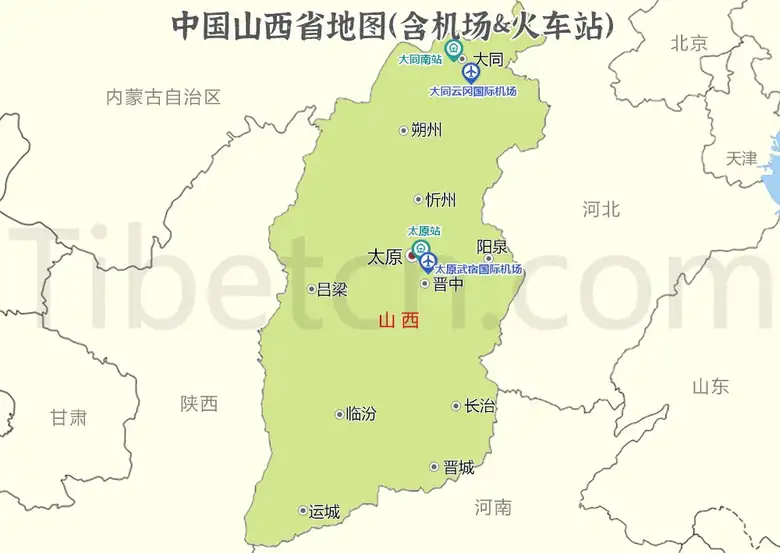
Shanxi Province administers 11 prefecture-level cities: Taiyuan, Datong, Shuozhou, Xinzhou, Yangquan, Lüliang, Jinzhong, Changzhi, Jincheng, Linfen, and Yuncheng. Taiyuan is the capital city of Shanxi Province and the top choice for most tourists visiting the province.
Map of Shanxi Province, China (including cities and transportation)
1. Tourism Highlights of 11 Cities in Shanxi (Distinguishing Regional Characteristics at a Glance)
Taiyuan (provincial capital):Located at the heart of Shanxi's cultural heritage, the area features Tang-style ancient architecture and cultural relics. It boasts the millennium-old Jinci Temple, a provincial museum, and a popular ancient county town, blending ancient and modern life. It serves as a transit hub and cultural starting point for tourism in Shanxi.
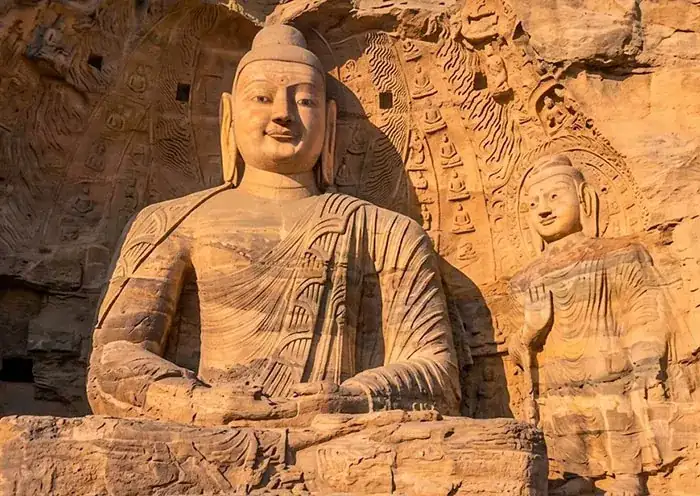
Datong:With its status as the ancient capital of the Northern Wei Dynasty and the ancient buildings of the Liao and Jin Dynasties, and centered around the World Heritage sites of Yungang Grottoes, the Hanging Temple, and the Great Wall, Shanxi is a representative city of ancient architecture and frontier charm.
The stunning Hanging Temple
Shuozhou:This lesser-known ancient architectural gem boasts the Yingxian Wooden Pagoda, a thousand-year-old architectural marvel built without nails or mortise and tenon joints. With few crowds and tranquil scenery, it's perfect for ancient architecture enthusiasts to explore in depth.
Xinzhou:The Buddhist kingdom and the frontier coexist, boasting Mount Wutai, the foremost of the four famous Buddhist mountains, and Yanmen Pass, the first pass in China, combining the Zen spirit of prayer with the majestic scenery of the Great Wall.
Yangquan:As a gateway city to the Taihang Mountains, it features the Taihang landscape, ancient passes, and revolutionary history. It is a secluded and tranquil destination, perfect for short-distance mountain and wilderness leisure trips.
Lüliang:With its rich Yellow River and Loess Plateau culture, it integrates ancient Yellow River towns, Danxia landforms, and red tourism, showcasing the ruggedness and simplicity of western Shanxi.
Jinzhong:Pingyao, the authentic hometown of Shanxi merchants, is home to numerous Shanxi merchant courtyards and is a core destination for experiencing the culture of Shanxi merchants during the Ming and Qing dynasties and the vibrant atmosphere of the ancient city.

Yingxun Gate of Pingyao Ancient City
Changzhi:Located in the heart of the Taihang Mountains, with its canyons, unique peaks, and dense forests, coupled with ancient buildings from the Song and Yuan dynasties, it is a popular summer resort and off-the-beaten-path study destination in Shanxi.
Jincheng:Known as the hometown of ancient castles in the Taihang Mountains, the area features cliffside roads and ancient castle clusters, where mountains, rivers, and ancient villages blend together, offering opportunities for off-the-beaten-path photography and a high level of entertainment.
Linfen:The soul of the Yellow River and the sacred land of the Chinese ancestral roots, with the magnificent Hukou Waterfall as its core, combines ancestral culture with the grand scenery of the Yellow River.
Yuncheng:The hometown of Guan Yu, the birthplace of Hedong culture, with mural art, salt lake scenery, and a wealth of ancestral culture, it boasts a profound cultural heritage.
2. Shanxi's core airport (preferred choice for travel)
Taiyuan Wusu International Airport (TYN):This is Shanxi's largest aviation hub and an alternate airport for Beijing Capital International Airport. It offers direct flights to major Chinese cities such as Beijing, Shanghai, Guangzhou, Shenzhen, Chengdu, and Chongqing, making it the preferred airport for entering Shanxi. It is also adjacent to Jinzhong and Pingyao, making intercity travel very convenient.
Datong Yungang International Airport (DAT):This is the core gateway airport in northern Shanxi Province, with direct flights to cities such as Shanghai, Shenzhen, and Chengdu. It is the preferred airport for visiting Datong, Wutai Mountain, and the Hanging Temple. It is only about 30 kilometers away from the Yungang Grottoes, making it ideal for tourists who prioritize visiting the ancient architecture of northern Shanxi.
3. Key railway stations in Shanxi (high-speed rail/regular rail hubs)
Taiyuan Station:As a core transportation hub in Shanxi, Taiyuan Station boasts full coverage of both regular and high-speed rail lines, connecting all routes within the province and offering highly efficient and convenient transfers and intercity travel. It's worth mentioning that Taiyuan Station is also a century-old landmark that has witnessed the development of Taiyuan city.
Datong South Station:This is the second largest high-speed railway station in Shanxi and a core transportation hub in northern Shanxi. It provides direct access to cities such as Beijing, Taiyuan, and Xi'an, making it ideal for tourists visiting Datong and surrounding attractions in northern Shanxi.
II. Map showing the distribution of popular tourist attractions in Shanxi (Quick overview of Shanxi tourism)
Shanxi Tourist Attractions Map (Global Navigation Version)
Based on the Shanxi tourist attraction map above, you can get a general idea of the distribution of the most worthwhile attractions in Shanxi. You can also refer to the quick overview table below, which includes the tourist features of each attraction, the number of days required for a visit, and the best season to gain a better understanding of Shanxi tourism.
| City | attractions | Tourism features | Number of days to visit | Best time to visit |
|---|---|---|---|---|
| Taiyuan | Jinci Temple | This ancient royal garden, boasting the three wonders of Jinci, is a benchmark for ancient architecture and gardens in Shanxi, carrying the cultural heritage of Jinyang for three thousand years. | long time | April-May, September-October |
| Datong | Yungang Grottoes | A World Heritage Site, the Northern Wei Royal Grottoes contain over 50,000 statues and are one of the four major grottoes in China, representing the pinnacle of ancient architectural art. | long time | May to October |
| Hanging Temple | This ancient wooden structure built on a cliff over a thousand years ago is a marvel of architecture, embodying the three religions of Buddhism, Taoism, and Confucianism, and featuring a nail-free mortise and tenon joint system. | 2 hours | April to October | |
| Datong Ancient City Wall | The Ming Dynasty-era replica city wall is perfect for cycling or strolling, and the night view is dazzling, allowing you to immerse yourself in the vibrant atmosphere of the ancient capital of the Northern Wei Dynasty. | 1 hour | Suitable for all seasons | |
| Pingyao (Jinzhong) | Pingyao Ancient City | A World Cultural Heritage site, the best-preserved ancient city from the Ming and Qing dynasties in China, offering an immersive experience of Shanxi merchants' daily life and the ancient city's thousand-year history. | 1-2 days | April-May, September-November |
| Shuanglin Temple | The Oriental Painted Sculpture Art Treasury, with over a thousand lifelike ancient painted sculptures, represents the pinnacle of Chinese painted sculpture art. | 2 hours | Suitable for all seasons | |
| Wang Family Compound | The "Folk Palace" is a grand mansion of Shanxi merchants, showcasing exquisite carving art and revealing the rich heritage of Shanxi's wealthy families. | long time | Suitable for all seasons | |
| Qiao Family Compound | A famous Shanxi merchant residence, a filming location, the courtyard is exquisite and well-organized, encapsulating the residential culture of Shanxi merchants in the Qing Dynasty. | long time | Suitable for all seasons | |
| Shuozhou | Yingxian Wooden Pagoda | One of the world's three most remarkable pagodas, this thousand-year-old pagoda is made entirely of wood without nails, a benchmark of Liao Dynasty architecture, and has withstood earthquakes for a millennium. | 2 hours | April to October |
| Xinzhou | Yanmen Pass | The First Pass of China, a border fortress with a history of thousands of years, the Great Wall stands majestically, bearing witness to a thousand years of border history and the civilization of war. | 2 hours | April to October |
| Mount Wutai | The foremost of China's four sacred Buddhist mountains, the Bodhimanda of Manjushri Bodhisattva, with its dense cluster of temples, and a natural summer retreat. | 1-2 days | Escape the summer heat from June to August, and enjoy the autumn scenery from September to October. | |
| Linfen | Hukou Waterfall | The Yellow River's only large yellow waterfall, with its surging and magnificent flow and towering mist, fully demonstrates the majestic power of the Mother River. | 2 hours | Peach blossom season in April-May, high water season in July-August |
III. Map showing the distribution of popular tourist attractions in Shanxi cities (with detailed highlights)
1. Taiyuan Tourist Attractions Map (Tang Dynasty Style, Jin Dynasty Charm, Source of Cultural Heritage)
Taiyuan Tourist Attractions Map
Jinci Temple:The first landmark of Shanxi's cultural heritage, Jinci Temple boasts the "Three Wonders of Jinci": Zhou Cypress, Song Dynasty Painted Sculpture, and Nanlao Spring. Ancient buildings, clear springs, and ancient trees blend together, making it the most complete existing royal sacrificial garden in China, with a unique thousand-year-old charm.
Shanxi Museum:The museum encapsulates the history of Shanxi, housing national treasures such as the Jin Marquis Bird-shaped Zun and bronze artifacts. It comprehensively traces the thousand-year history and cultural heritage of Shanxi. A one-hour visit will help you understand three thousand years of Shanxi's history.
Twin Pagoda Temple (Yongzuo Temple):One of Taiyuan's city landmarks, the ancient and majestic twin pagodas from the Ming Dynasty, and the ancient peonies inside the temple that have been blooming for over a century, make it a classic ancient-style photo spot in Taiyuan.
Taiyuan Ancient County Town:The newly popular cultural landmark perfectly replicates the layout of the ancient city of Jinyang during the Ming and Qing dynasties. It has also been the filming location for many movies and TV series in recent years. You can stroll along the intangible cultural heritage street during the day and enjoy the dazzling night view at night, creating a wonderful atmosphere that blends ancient and modern elements.
2. Datong Tourist Attractions Map (Northern Wei Dynasty Splendor & Ancient Architectural Wonders)
Datong Tourist Attractions Map
Yungang Grottoes:A World Heritage Site, it represents the pinnacle of Northern Wei imperial sculpture art. The majestic open-air Buddha statue and more than 50,000 statues with diverse expressions make it a must-visit destination for understanding Northern Dynasties art.
Hanging Temple:The less than 1,000-year-old miracle on the cliff of Hengshan Mountain is supported only by cantilevered wooden beams. The cultures of Buddhism, Taoism and Confucianism are perfectly integrated here. Walking on the narrow plank road is very thrilling and shocking. It is a unique ancient suspended building in China.
Datong Ancient City Wall:The magnificent city wall from the Ming Dynasty stretches for 7.2 kilometers and is perfect for cycling or strolling. The sunset and nighttime lighting create a wonderful atmosphere, making it an excellent spot to enjoy the ancient capital's night view for free.
Seonhwa Temple:The best-preserved Jin Dynasty temple in China, with magnificent halls and exquisite statues. The Mahavira Hall and the Five Dragon Wall are worth visiting. The temple is quiet and secluded with few tourists, making it perfect for appreciating the ancient architectural heritage.
Datong Shanhua Temple
Huayan Temple:The Bojia Temple Hall, a representative work of Liao and Jin dynasty architecture, houses a painted sculpture of a Bodhisattva with exposed teeth, known as the "Venus of the East." It is very simple and solemn and is also a well-preserved building in the Liao dynasty style.
Nine-Dragon Wall:The Ming Dynasty glazed tile wall is one of the three major nine-dragon walls in China. The glazed tiles are brightly colored, the dragon patterns are vivid, and the craftsmanship is superb.
Datong Volcanic Group:A rare Quaternary volcanic cluster in China, a secluded geological wonderland with unique mountain shapes, it is perfect for hiking, photography, and exploring natural wonders.
Mount Heng (Northern Peak):One of the Five Sacred Mountains of China, it combines Taoist culture with mountain scenery. The mountain is majestic and shrouded in clouds and mist. Climbing the mountain offers a panoramic view of the magnificent scenery of the mountains in northern Shanxi.
3. Pingyao Tourist Attractions Map (Hometown of Shanxi Merchants, Living Fossil of the Ming and Qing Dynasties)
Pingyao tourist attraction map
Pingyao Ancient City Wall:The World Cultural Heritage site stretches for 6 kilometers, with its ancient and dignified blue bricks. Climbing to the top offers a panoramic view of the entire Ming and Qing Dynasty ancient city, making it a landmark of Pingyao and a must-visit attraction for tourists.
Pingyao County Government Office:The best-preserved Ming and Qing dynasty county government office in China replicates the ancient judicial system and features daily live court performances, allowing visitors to immerse themselves in the culture of ancient officialdom.
City God Temple:The ancient Taoist buildings from the Ming and Qing dynasties are well-preserved, with carved beams and painted rafters, a well-organized layout, and tranquil incense offerings, completely retaining the style of ancient folk sacrificial culture.
Rishengchang Exchange Shop:The site, which was the prototype of China's first modern bank and was known as "connecting the world through banking," witnessed the century-old financial legend of Shanxi merchants and is one of the best places to learn about Shanxi merchant culture.
Ming and Qing Dynasty Old Street:The core fireworks district of Pingyao is lined with shops, security escort agencies, and old houses, exuding a lively and bustling atmosphere. During the day, you can explore intangible cultural heritage sites and sample local delicacies, while at night you can admire the lantern-lit nightscape, creating a truly immersive experience.
IV. Shanxi Tourism Map: Recommended Popular Golden Travel Routes
1. Shanxi 6-Day Panoramic Tourist Route Map (Top Choice, Popular Item)
Shanxi 6-Day Panoramic Tourist Route Map
Route Highlights:This tour seamlessly connects four core tourism sectors in Shanxi, covering all three World Heritage sites and encompassing ancient architecture from the Tang, Liao, and Ming dynasties—a truly unique experience. The itinerary is entirely linear, offering a one-stop experience of ancient architecture in northern Shanxi, Buddhist Zen culture, the cultural heritage of Taiyuan, and the merchant spirit of central Shanxi. It also includes natural wonders, historical buildings, and local customs. The pace is well-balanced, avoiding both rushing and fatigue, and includes popular photo spots and relaxing retreats. Suitable for both first-time visitors to Shanxi and those seeking in-depth experiences, this tour allows you to see 90% of Shanxi's core attractions in one trip.
2. Shanxi 4-Day Classic Travel Route Map (Preferred for Short Holidays)
Shanxi 4-Day Classic Travel Route Map
Route Highlights:Explore Shanxi's top 6 classic attractions in 4 days with seamless high-speed rail connections for cross-city travel. Efficient and time-saving, the entire trip is relaxed and stress-free. Visit six iconic Shanxi landscapes in one trip: grottoes, suspended ancient buildings, thousand-year-old wooden pagodas, Ming and Qing dynasty ancient cities, Shanxi merchant courtyards, and military fortresses. It offers excellent value for money and is the best short-trip itinerary to explore Shanxi without any disappointments.
✅1. Exclusively optimized routes, eliminating unnecessary travel:We delve into Shanxi's local cultural and tourism resources, optimize 2-6 day golden routes, scientifically plan the order of cross-city travel, minimize backtracking and detours, rationally allocate travel time, and balance sightseeing with leisure, bidding farewell to superficial tourism.
✅2. Professional and in-depth explanations to understand a thousand-year-old cultural heritage:Equipped with experienced guides specializing in ancient architecture and culture, the tours go beyond simple photo opportunities. They offer in-depth explanations of the stories behind the grotto statues, mortise and tenon joints in ancient architecture, Shanxi merchant culture, and frontier history, allowing visitors to understand the cultural relics and gain a deeper understanding of Shanxi.
✅3. Hassle-free, one-stop service throughout the entire process:It includes assistance with airfare and high-speed rail tickets, reservations for scenic spot tickets, full-service transportation, boutique accommodations, and arrangements for authentic local cuisine. You don't need to research travel guides, grab tickets, or plan your own transportation. Just pack your bags and travel worry-free.
✅4. Authentic local experiences, rejecting assembly-line group meals:We carefully select guesthouses in the ancient city, hotels with mountain views, and Zen-style inns to match the characteristics of the scenic area; we deeply explore the authentic flavors of Pingyao beef, Datong knife-cut noodles, and Wutaishan vegetarian cuisine, and immerse ourselves in the local life of Shanxi.
✅5. Purely leisurely and high-quality travel, with no hidden costs:Adhering to a pure sightseeing approach, with no shopping or forced spending, the itinerary is flexible and suitable for all types of travelers, including families, parent-child study tours, girls' trips, and in-depth cultural tours, creating a comfortable and high-end travel experience in Shanxi.
Related Questions and Answers (Q&A)
If you have ample time, we recommend the 6-day Datong-Wutaishan-Taiyuan-Pingyao panoramic tour, which allows you to experience World Heritage sites, ancient architectural wonders, and the charm of Shanxi merchants all in one trip; for a shorter trip, choose the 4-day Datong-Pingyao essential tour, which is time-saving, efficient, and covers all the core attractions.
For those entering Shanxi Province from outside the province, Taiyuan Wusu International Airport and Datong Yungang International Airport are the preferred choices. For those transferring within Shanxi Province, Taiyuan Railway Station and Datong South Railway Station are the preferred options, as they offer convenient high-speed rail and intercity connections, allowing for quick access to major tourist attractions.
Taiyuan boasts ancient architecture with a thousand-year cultural heritage, Datong is famous for its grottoes and hanging temples, Xinzhou combines famous Buddhist mountains with majestic border passes, Jinzhong is known for its ancient courtyards of Shanxi merchants, and Linfen offers magnificent views of the Yellow River waterfall.
For the best time to visit Shanxi, April-May and September-October are the most popular months, when the weather is comfortable. Visiting Wutai Mountain from June to August offers a cool and refreshing escape from the summer heat, making for a better experience. The Hukou Waterfall is most spectacular during the peach blossom season in April-May and the high-water season in July-August.
Featuring popular, streamlined itineraries with professional cultural commentary, all transportation, accommodation, and tickets handled in one stop, local delicacies to savor, and a pure travel experience with no hidden costs, allowing you to easily immerse yourself in the beauty of Shanxi.
Top 16 Must-Visit Attractions in Shanxi: TOP1 Pingyao Ancient City, TOP2 Yungang Grottoes, TOP3 Wutai Mountain, TOP4 Hanging Temple, TOP5 Datong Ancient City, TOP6 Yingxian Wooden Pagoda, TOP7 Foguang Temple, TOP8 Nanchansi Temple, TOP9 Wang Family Courtyard, TOP10 Qiao Family Courtyard, TOP11 Jinci Temple, TOP12 Zhangbi Ancient Castle, TOP13 Hukou Waterfall, TOP14 Shuanglin Temple, TOP15 Hengshan Mountain, TOP16 Yanmen Pass
The best time to visit Shanxi is spring, summer, and autumn, when the climate is comfortable and pleasant, allowing you to explore ancient temples and grottoes, ancient cities, and climb Mount Wutai for a serene and beautiful experience. Winter offers fewer tourists and a more tranquil atmosphere, allowing you to leisurely appreciate the rich history and culture of Shanxi. This article introduces Shanxi in each season and highlights popular destinations to help you easily plan a pleasant cultural journey through the province.
Photo gallery
Travel information can change. Check current opening hours, reservations and entry requirements before you travel.


Traveller discussion
Start the conversation with a helpful tip or a question.