
[Yunnan Ethnic Groups and Festivals] A comprehensive overview of the culture, customs, and traditional festivals of 25 ethnic minorities in Yunnan.
[Yunnan Ethnic Groups and Festivals] A Comprehensive Overview of the Culture, Customs, and Traditional Festivals of 25 Yunnan Ethnic Minorities Author: Xiao Zhou | Updated: July 17, 2024 This article provides detailed information on the 25 ethnic minorities in Yunnan, focusing on the Yi, Dai, Buyi, Hani, Bai, Naxi, and Tibetan ethnic groups, inclu…
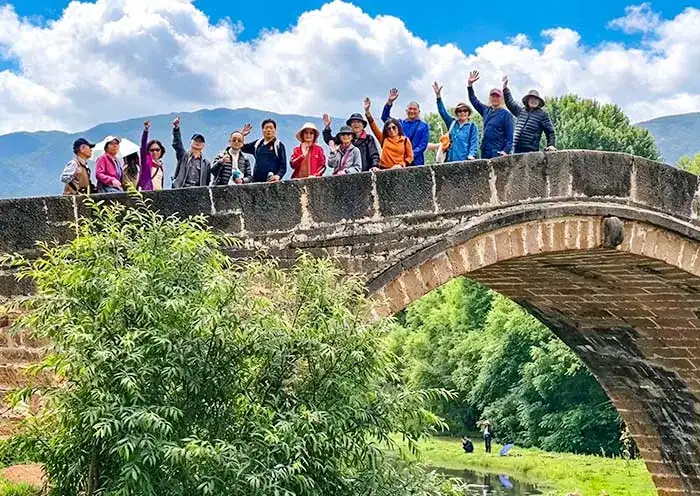
[Yunnan Ethnic Groups and Festivals] A comprehensive overview of the culture, customs, and traditional festivals of 25 ethnic minorities in Yunnan.
Author: Xiao Zhou | Updated: July 17, 2024
Yunnan is one of China's most diverse provinces, home to 25 ethnic minorities, each with its own unique culture, festivals, and customs. This article provides you with carefully curated information on Yunnan's 25 ethnic minorities, focusing on the Yi, Dai, Hani, Bai, Naxi, and Tibetan peoples, including their distribution areas, traditional festivals, highlights, and popular tourist attractions, to help you better plan your Yunnan ethnic minority cultural tour.
25 ethnic minorities in Yunnan
Yunnan boasts a rich and diverse ethnic culture, home to 25 ethnic minorities. Among them, 15 are unique to Yunnan: the Dai, Hani, Bai, Naxi, Wa, Lisu, Lahu, Dulong, Jingpo, Pumi, Jino, Achang, De'ang, Bulang, and Nu. Other ethnic minorities include the Yi, Buyi, Tibetan, Shui, Hui, Manchu, Miao, Yao, Mongolian, and Zhuang. Each ethnic group possesses its own unique language, religious beliefs, cultural traditions, and lifestyles, adding a vibrant dimension to Yunnan's tourism offerings.
Yi people – propagators of fire culture
Features and Highlights:The Yi people's ten-month solar calendar, unique language and script, and tiger culture.
Traditional festivals:Torch Festival
Distribution area:The areas with the highest concentration of cases are Chuxiong Yi Autonomous Prefecture, Honghe Hani and Yi Autonomous Prefecture, Lijiang, and Kunming.
Brief introduction to the Yi ethnic group:The Yi people are a people who deeply revere fire. They believe that fire not only brings light but also wards off wild animals and evil spirits. Therefore, fire is of paramount importance to the Yi people. Every year on the 24th day of the sixth lunar month, the Yi people hold a grand and solemn Torch Festival to express their worship and respect for fire and to pray for a bountiful harvest and a happy life in the coming year. The Yi people also highly revere the black tiger, regarding it as their tribal totem. Furthermore, Yi clothing is diverse, primarily using colors such as black, red, blue, and yellow.
Popular attractions:Stone Forest is the best place to experience Yi culture. Here you can admire the world's most unique karst landforms, learn about the legend of Ashima, explore traditional Yi villages, and appreciate the cultural customs of the Yi people.
Kunming World Heritage Sites | 3-Day Tour of Kunming Stone Forest, Yuantong Temple, and West Mountain
Kunming - Stone Forest - Yuantong Temple - Cuihu Park - Xishan - Kunming
Dai people – graceful dancers on the water
Features and Highlights:Peacock dance, Dai architecture, Dai brocade
Traditional festivals:Water Splashing Festival
Distribution area:Xishuangbanna and Dehong are relatively concentrated
Introduction to the Dai ethnic group:The Dai people are a water-loving ethnic group. Every year around April 13th, they hold a grand Water Splashing Festival, where people splash water on each other to convey blessings. This is the most famous traditional festival of the Dai people. Dai dance and music are also renowned, with the Peacock Dance being particularly famous. The dance is incredibly graceful and fully demonstrates the Dai people's pursuit of natural art. Furthermore, wearing colorful Dai costumes and seeing traditional Dai architecture are also unique travel experiences.
Popular attractions
1. Manting Park
Manting Park is the oldest park in Xishuangbanna, with a history of over a thousand years. Here you can find traditional Dai architecture and dances, as well as diverse plant species and cultural performances, allowing you to gain a deeper understanding of Dai culture.
2. Tropical Botanical Garden
The tropical botanical garden boasts a rich variety of plant species and is a comprehensive botanical garden integrating tropical scientific research, species conservation, and popular science education. Here, you can appreciate the charm of the tropical rainforest.
Rainforest Scenery | Xishuangbanna Manting Park Wild Elephant Valley Dai Ethnic Culture Classic 4-Day Tour
Xishuangbanna - Tropical Botanical Garden - Manting Park - Zongfo Temple - Wild Elephant Valley - Manzhang Village - Xishuangbanna
Hani people – outstanding agricultural engineers
Features and Highlights:Terraced fields culture, long street banquet, Hani villages
Traditional festivals:October Festival, June Festival
Distribution area:The Honghe Hani and Yi Autonomous Prefecture is relatively concentrated
Brief introduction to the Hani ethnic group:The Hani people mainly live in the Honghe region of Yunnan Province, renowned for their stunning terraced fields that showcase their agricultural artistry. Every year in the tenth lunar month, the Hani people hold a grand festival called the "October New Year," as important as the Lunar New Year itself. Everyone gathers to celebrate, and a famous long street banquet is held along the main road of the villages, featuring a variety of local delicacies stretching for two kilometers. Furthermore, Hani clothing is very distinctive, mostly made of dark blue homespun cloth embroidered with exquisite patterns, making it very beautiful.
Popular attractions:Yuanyang Terraces are the central area of the Honghe Hani Terraces, consisting of Tiger Mouth Terraces, Duoyishu Terraces, and Bada Terraces. They have a history of over a thousand years and were listed as a World Cultural Heritage site in 2013. Tiger Mouth Terraces and Bada Terraces are good for watching the sunset, while Duoyishu Terraces are good for watching the sunrise. Here you can further understand the unique culture and customs of the Hani people.
Wandering in Eastern Yunnan | 6-Day Tour of Kunming, Yuanyang Rice Terraces, Jianshui Ancient Town, and Honghe Hani Ethnic Minority Area
Kunming - Xishan - Shilin - Honghe - Yuanyang Terraces - Hani Ethnic Market - Jianshui - Jianshui Ancient Town - Shuanglong Bridge - Tuanshan Village - Kunming
Bai people – romantic craft artists
Features and Highlights:Bai ethnic tie-dyeing, Bai ethnic three-course tea ceremony, Bai ethnic architecture
Traditional festivals:March Street Festival, Feast of the Three Spirits
Distribution area:Dali Bai Autonomous Prefecture is relatively concentrated
Introduction to the Bai ethnic group:The Bai people are an ethnic group that highly reveres the color white; therefore, their clothing and architecture are predominantly white. The Bai people are also renowned for their exquisite handicrafts, particularly their tie-dyeing technique. Using natural plant dyes and a complex process, they create a variety of textile products rich in ethnic characteristics. Furthermore, the Bai people hold a grand March Street Festival every year on the 15th day of the third lunar month, a major cultural and trade exchange event among the various ethnic groups in Dali, and the best time to experience Bai culture.
Popular attractions
1. Dali Old Town
Important festivals such as the March Street Festival and the Raosanling Festival are held in Dali Old Town, making it a must-visit destination for exploring Bai culture. You can leisurely stroll through the old town, feel the weight of history and culture, browse the unique shops, and sample Bai cuisine.
2. Xizhou Ancient Town
Xizhou Ancient Town is renowned for its well-preserved Bai ethnic minority residences, numbering over 100. Here, one can gain a deeper understanding of the daily life and architecture of the Bai people, with the Yan Family Courtyard being particularly famous. Furthermore, Xizhou Ancient Town is an excellent place to sample the Bai ethnic minority's Three-Course Tea.
3. Zhoucheng Village
Zhoucheng Village is famous for its tie-dyeing craft. Here you can not only see various exquisite tie-dye patterns, but also make your own tie-dye works, which is a very novel experience.
Explore Dali | A Classic 4-Day Tour of Dali, Cangshan Mountain, Erhai Lake, and Dali Ancient City
Dali - Cangshan Mountain Hiking - Chongsheng Temple Three Pagodas - Dali Ancient City - Xizhou Ancient Town - Zhoucheng Village Tie-dyeing - Erhai Lake Cycling - Dali
A corner of Xizhou Ancient Town
Naxi people – highly skilled painters
Features and Highlights:Baisha murals, Dongba culture, and the walking marriage system
Traditional festivals:Sanduo Festival (Three Flowers Festival)
Distribution area:Lijiang and Shangri-La are the most concentrated areas
Brief introduction to the Naxi ethnic group:The Naxi people are one of the unique ethnic minorities in Yunnan Province, renowned for their Dongba culture and murals. The highlight of the Dongba culture is undoubtedly the Dongba script, which has a long history and is currently the only living pictographic script in the world. The Baisha murals are the most famous among the Naxi. In addition, the Mosuo, a branch of the Naxi, are known for their unique walking marriage culture and are mainly concentrated in Lugu Lake and its surrounding areas.
Popular attractions
1. Lijiang Old Town
Lijiang Old Town is one of the best-preserved ancient towns in China. It was listed as a World Heritage Site in 1997 and is a great place to explore Naxi culture. Strolling through Lijiang Old Town, you can admire traditional Naxi architecture and listen to the moving Dongba music.
2. Dongba Culture Museum
Located near Heilongtan Park, the Dongba Culture Museum is a great place to explore the ancient Dongba culture. The museum houses a large collection of Dongba artifacts, comprehensively showcasing the Dongba culture and customs of the Naxi people.
In addition, attractions such as the Baisha Murals and Lugu Lake are also great places to explore Naxi culture.
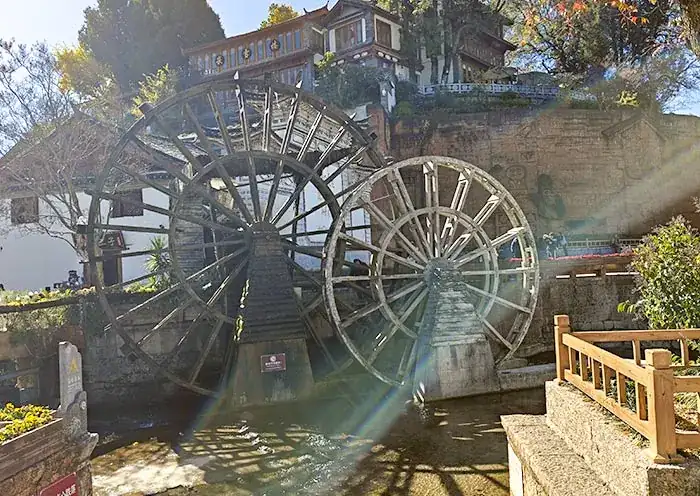
Enjoy Yunnan | 8-Day Tour of Kunming, Dali, Lijiang, and Shangri-La
Kunming-Stone Forest-Dali-Erhai Lake-Dali Old Town-Lijiang-Lijiang Old Town-Jade Dragon Snow Mountain-Tiger Leaping Gorge-Shangri-La-Songzanlin Monastery-Dukezong Ancient Town-Shangri-La
Baisha Ancient Town
Tibetans – Devout followers of Tibetan Buddhism
Features and Highlights:Tibetan song and dance, Tibetan Buddhist culture, Thangka
Traditional festivals:Tibetan New Year, Horse Racing Festival
Distribution area:Diqing Tibetan Autonomous Prefecture (Shangri-La) is relatively concentrated
Introduction to Tibetan people:The Tibetan people of Yunnan are mainly concentrated in the Diqing region, with Shangri-La boasting a rich Tibetan culture and many enchanting natural landscapes. The Tibetan people here retain their traditional clothing, and in hot weather, they remove one sleeve to cool off. Furthermore, a grand and solemn horse racing festival is held in Shangri-La every year on the fifth day of the fifth lunar month, accompanied by wonderful Tibetan song and dance performances, creating a lively atmosphere.
Popular attractions
1. Songzanlin Monastery
Songzanlin Monastery, known as the "Little Potala Palace," is the largest Tibetan Buddhist monastery in Yunnan and a typical representative of Tibetan architecture. The monastery houses many religious artifacts.
2. Dukezong Ancient Town
Dukezong Ancient Town is China's best-preserved and largest Tibetan-style residential ancient town, with a history of over a thousand years. Here, you can admire traditional Tibetan-style architecture, magnificent stupas, and prayer flags, and also enjoy authentic and captivating Tibetan dances. In addition, attractions such as Meili Snow Mountain and Pudacuo National Park are also excellent places to experience Tibetan culture in Shangri-La.
Hidden Gems of Shangri-La | 4-Day Tour of Shangri-La, Songzanlin Monastery, Pudacuo National Park, and Balagezong
Shangri-La - Dukezong Ancient Town - Songzanlin Monastery - Pudacuo National Park - Balagezong - Shangri-La
Songzanlin Monastery, Shangri-La
Other ethnic groups in Yunnan
| nationality | Distribution area | Features and Highlights |
| Hui people | Kunming, Wenshan | Islamic culture, Hui clothing, Hui cuisine |
| Manchu | Kunming and Baoshan | Manchu cuisine and clothing |
| Miao ethnic group | Wenshan, Guangnan | Miao embroidery, Miao villages, Miao costumes |
| Buyi ethnic group | Luoping | Buyi architecture, Buyi clothing, and ornaments |
| Yao ethnic group | Hekou, Jinping | Yao ethnic costumes, Yao long drum dance, agricultural culture |
| Mongolian | Malipo, Maguan | Mongolian costumes, Naadam |
| Zhuang ethnic group | Wenshan, Guangnan | March 3rd Song Festival, Chuntang Dance, Zhuang Ethnic Costumes |
| Aquatic | Fuyuan | Shui script, Shui dance, horsehair embroidery, Shui costumes |
| Wa ethnic group | Cangyuan, Ximeng | Wa architecture, wooden drum dance, hair-swinging dance, Wa costumes |
| Lisu ethnic group | Nujiang | Knife Pole Festival, Lisu Weaving, Lisu Costumes |
| Lahu ethnic group | Lancang | Lahu ethnic costumes and Lusheng dance |
| Dulong ethnic group | Nujiang | Dulong carpet weaving, Dulong women with facial tattoos, Dulong clothing |
| Jingpo ethnic group | Dehong | Jingpo ethnic group's knife dance, peacock robe, green leaf banquet, and Jingpo ethnic costumes. |
| Pumi ethnic group | Lanping, Ninglang | Pumi ethnic group's "cuocuo" (a type of percussion instrument), four-stringed zither, and Pumi ethnic costumes. |
| Jino ethnic group | Xishuangbanna | Jinuo bamboo tubes, drum dance, Jinuo ethnic costumes |
| Achang ethnic group | Dehong | Achang ethnic costumes, Dengwoluo |
| De'ang ethnic group | Dehong, Baoshan | Bamboo, De'ang ethnic costumes, Watering Flower Festival |
| Blang ethnic group | Xishuangbanna | Washing cow feet, Bulang ethnic costumes |
| Nu ethnic group | Nujiang | Fairy Festival, Nu ethnic costumes |
Photo gallery
Travel information can change. Check current opening hours, reservations and entry requirements before you travel.



Traveller discussion
Start the conversation with a helpful tip or a question.