
What is the altitude of Lhasa? A complete guide to altitude sickness prevention and coping strategies for attractions in Lhasa city in 2027.
For first-time travelers planning a trip to Lhasa, Tibet, the most pressing and anxiety-inducing questions are undoubtedly: what is Lhasa's altitude? Will I experience severe altitude sickness? And how should I cope with altitude sickness upon arrival? As the first stop on any Tibetan travel itinerary, Lhasa has a generally high altitude, with sig…
For first-time travelers planning a trip to Lhasa, Tibet, the most pressing and anxiety-inducing questions are undoubtedly: what is Lhasa's altitude? Will I experience severe altitude sickness? And how should I cope with altitude sickness upon arrival? As the first stop on any Tibetan travel itinerary, Lhasa's overall altitude is relatively high, with significant differences in altitude between different districts, popular attractions, and iconic landmarks. Many people, unaware of these altitude differences and neglecting acclimatization, negatively impact their entire travel experience. This newly updated 2027 Lhasa Altitude Practical Guide comprehensively compiles accurate altitude data for Lhasa's city center, popular attractions, and surrounding scenic areas. It also incorporates real-life travel experiences, thoroughly explaining the signs of altitude sickness, prevention methods, emergency relief measures, and travel taboos. Even first-time visitors to Tibet will find it easy to understand, helping you adapt smoothly to the high-altitude environment.
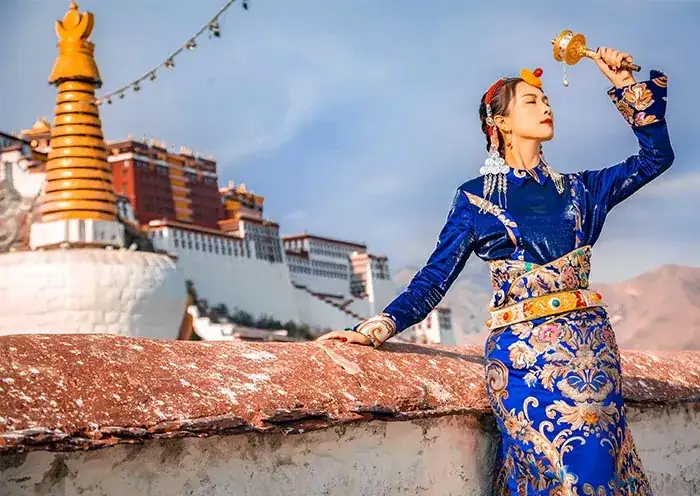
Potala Palace Tibetan Costume Travel Photography
1. What is the altitude of Lhasa? (Urban area + suburbs + district/county + tourist attractions)
1. Average altitude of Lhasa city: 3650 meters
Lhasa has an average altitude of 3,650 meters. The terrain is flat and open, the city has well-developed facilities and abundant greenery. The oxygen content is better than that of high-altitude areas such as Ngari and Nagqu. Compared with other areas in Tibet, Lhasa is the starting point for entering Tibet with the mildest altitude sickness and the best conditions to adapt. It is also the first choice for most tourists traveling to Tibet.
Tips: Most people can adapt to Lhasa's altitude. Those visiting Lhasa for the first time may experience some altitude sickness, but it's generally not a serious problem and usually subsides within 1-2 days. There's no need to be overly anxious about altitude sickness. Upon arrival, it's recommended to slow down your pace, avoid running, strenuous exercise, staying up late, and excessive alcohol consumption. Plan moderate-intensity activities such as strolling through Barkhor Street, visiting Jokhang Temple, or walking around Lhasa city.
2. Average altitude of Lhasa suburbs: 3700 meters
Compared to Lhasa's urban area at an altitude of 3,650 meters, the average altitude of Lhasa's suburbs is around 3,700 meters, a slight increase overall with minimal elevation difference, so it won't suddenly worsen altitude sickness. The suburbs of Lhasa encompass areas including temples, forests, and suburban villages; landmarks like Drepung Monastery and Sera Monastery are located in this altitude range. Furthermore, while the suburbs are densely vegetated and quiet, the mountain roads are windier and have more significant temperature differences, so be sure to dress warmly.
Tips: For first-time visitors to Tibet, it is recommended to spend 1-2 days acclimatizing in the city before heading to the outskirts of Lhasa. Slowing down your pace and avoiding strenuous exercise will allow you to easily adapt to the altitude in the suburbs and enjoy the local culture and natural scenery.
3. Altitude of various counties in Lhasa
Lhasa administers three districts: Chengguan District, Duilongdeqing District, and Dazi District, as well as five counties: Quxu County, Linzhou County, Mozhugongka County, Nyemo County, and Damxung County. The risk of altitude sickness is relatively low in Lhasa's urban area and surrounding counties, but slightly higher in more remote counties. It is recommended that first-time visitors to Tibet spend 1-2 days in Chengguan District to acclimatize, and then gradually travel to the surrounding counties. This will effectively reduce the probability of altitude sickness and make the journey more comfortable and safer.
A precise list of altitudes in all districts and counties of Lhasa
| Lhasa District/County | Altitude | High risk level | Travel Guide |
|---|---|---|---|
| Chengguan District | 3660 meters | Low | The core urban area of Lhasa has well-developed facilities and a good oxygen level, making it the first choice for acclimatization when entering Tibet. You can easily adapt by slowing down your pace. |
| Duilongdeqing District | 3650 meters | Low | The nearby suburbs are suitable for living, with flat terrain and a variety of accommodation options, making them ideal for settling in, resting, and gradually acclimatizing to the high altitude. |
| Dazi District | 3700 meters | Low to medium | Located close to Lhasa city, the altitude rises slightly, road conditions are good, short trips are stress-free, and the temperature difference is slightly greater than in the city. |
| Qushui County | 3590 meters | Low | The county with the lowest altitude in Lhasa has a mild and comfortable climate with less altitude sickness, making it suitable for short trips for people sensitive to altitude sickness. |
| Linzhou County | 3760 meters | medium | The altitude steadily increases, and the climate is dry and windy. It is not recommended to go there immediately after arrival. It is better to acclimatize for 1-2 days before visiting. |
| Nyemo County | 3820 meters | medium | Xiaozhong County is located at a high altitude with a dry climate and large temperature differences between day and night. The journey is also relatively long, so it is essential to dress warmly and stay hydrated before traveling. Slow travel is recommended. |
| Mozhugongka County | 3815 meters | medium | The route passes through many valleys and mountains, with some sections experiencing significant elevation changes. The scenery along the way is magnificent, so drivers should avoid rushing when driving. |
| Damxung County | 4285 meters | High | Lhasa's high-altitude counties have low oxygen levels, making altitude sickness more likely. These areas are essential routes to Namtso Lake, where running and strenuous activities are strictly prohibited. |
Tips: The overall altitude range of Lhasa's districts and counties varies significantly: Quxu County has the lowest altitude and is the most altitude-friendly; Chengguan District and Duilongdeqing District have similar altitudes and are the main areas where tourists stay; while Damxung County has an altitude of over 4,200 meters and is a high-risk area for altitude sickness in Lhasa. Travelers to Namtso need to pay extra attention to altitude protection.
Namtso
Low-risk travel recommendations
① On the first day, prioritize activities in Chengguan District and Qushui County, avoiding strenuous exercise to help the body gradually adapt.
② On the 2nd and 3rd days, you can go to medium-altitude areas such as Linzhou and Mozhugongka, where the journey is more relaxed.
③ Namtso (Damxung County) is recommended to be visited on the 4th day or later, and ensure that you have fully acclimatized to Lhasa city.
④ Drinking plenty of water, avoiding bathing, and having oxygen cylinders and Rhodiola rosea on hand are three practical principles for dealing with altitude sickness.
4. Altitude of Lhasa attractions
When traveling to Lhasa, besides worrying about altitude sickness, many people also wonder, "How much difference is there in altitude between different attractions? Will my altitude sickness get worse as I travel?" Actually, Lhasa's attractions have a significant altitude range, from the city's flatlands at 3650 meters to extremely cold areas above 5500 meters. The following Lhasa attraction altitude chart integrates the precise altitudes of popular landmarks and lesser-known gems, along with highlights, altitude sickness prevention tips, and travel precautions. Whether it's your first time visiting or a more in-depth exploration, it can help you plan your route in advance, avoid altitude sickness pitfalls, and enjoy the City of Sunshine with peace of mind.
Lhasa Attractions Altitude List
| Lhasa attractions | Altitude | Highlights of the trip | Precautions |
|---|---|---|---|
| Potala Palace | 3700 meters | A World Cultural Heritage site, a representative of Tibetan architecture, and a landmark building in Lhasa, offering panoramic views of the city. | The steps are numerous, so it is recommended to climb slowly on foot and avoid strenuous exercise. Please make an appointment to buy tickets in advance with your real name. |
| Jokhang Temple | 3700 meters | A sacred site of Tibetan Buddhism, it houses a life-size statue of Shakyamuni Buddha and boasts a rich cultural heritage. | Please observe the temple's taboos, dress modestly, and refrain from making loud noises or taking photos without permission. |
| Barkhor Street | 3650 meters | This ancient pilgrimage route, with its rich Tibetan local flavor, is perfect for taking photos and strolling around. | With crowds thronging the area, please keep your belongings safe. Walking clockwise around the prayer wheel will enhance your experience. |
| Sera Monastery | 3700 meters | One of the three major monasteries in Lhasa, it hosts a unique and exciting monks' debate activity in the afternoon, creating a wonderful atmosphere. | Debate session 15:00–17:00 (except Sundays), slow pace at high altitude, please take precautions against sun exposure. |
| Norbulingka | 3690 meters | The summer palace of the Dalai Lamas throughout history, a Tibetan-style royal garden, has a tranquil environment, perfect for relaxation. | The park is large, so allocate your energy wisely and avoid prolonged brisk walking at high altitudes. |
| Drepung Monastery | 3800 meters | A large Tibetan Buddhist monastery, built against the mountain, with its unique Shoton Festival Buddha exhibition. | Due to the high altitude and numerous uphill climbs, people sensitive to altitude sickness need to slow down their pace. |
| Ganden Monastery | Around 3800 meters | The foremost of Lhasa's three great monasteries, it boasts majestic mountains and excellent panoramic views, making it a less-visited pilgrimage site. | The mountain roads have many bends and are at high altitudes, so be careful to avoid altitude sickness. |
| Yaowang Mountain | 3725 meters | The best vantage point for shooting a panoramic view of the Potala Palace offers a wide field of vision and a high success rate for photos. | The mountain path has steep steps, so please be careful where you step when going up and down. |
| Zhaqi Temple | 3700 meters | The famous God of Wealth Temple in Lhasa is a popular place of worship, where you can experience local folk beliefs. | Follow proper worship etiquette, pray in a civilized manner, and respect local religious culture. |
| Jokhang Temple | 3650 meters | An ancient temple with a long history, quiet and secluded, echoing the Jokhang Temple. | Slow down your pace, stay quiet, and immerse yourself in the Tibetan culture. |
| Namtso | 4718 meters | The three holy lakes of Tibet, with snow-capped mountains and lakes in the same frame, offer a stunning view of the northern Tibetan plateau. | The wind is strong and the weather is bitterly cold, with extreme temperature differences between day and night. It is advisable to keep a thick coat and altitude sickness prevention supplies on hand. |
| Tsurphu Monastery | 4300 meters | The Karma Kagyu Monastery, the ancestral temple of the Karma Kagyu school, is a secluded and tranquil ancient temple deep in the mountains, a less-traveled and in-depth cultural destination. | With a significant increase in altitude and low oxygen levels, it is essential to take precautions against altitude sickness and keep warm. |
| Drikung Ti Temple | Around 4400 meters | A renowned spiritual retreat, the cliffside temple boasts unique scenery and magnificent natural landscapes. | High altitude can easily cause discomfort, so it is recommended to move slowly throughout the trip, avoid staying up late, and avoid overeating. |
| Yangbajing | 5500-6000 meters | Natural geothermal hot springs, surrounded by snow-capped mountains, offer a unique highland hot spring experience. | In areas with extremely high altitudes, the risk of altitude sickness is very high, so it is not advisable to soak in hot springs for too long. |
Itinerary suggestions
Proceed step by step from "low altitude to high altitude": first explore the city attractions to get used to the pace, then unlock the nearby temples, and finally challenge the hidden gems in the far suburbs.
II. Will I experience altitude sickness in Lhasa? What are the common symptoms of altitude sickness?
1. Will ordinary people definitely experience altitude sickness when they go to Lhasa?
Many people's biggest concern before setting off is: I'm not in good physical condition and don't usually exercise, will I experience severe altitude sickness?
In fact, altitude sickness varies from person to person and has no absolute relation to physical fitness or the amount of exercise they do regularly. On the contrary, people who exercise regularly, have strong cardiopulmonary function, and fast metabolism have a higher oxygen consumption and are more likely to experience discomfort after arriving at high altitudes; while ordinary tourists who have regular routines, a calm mindset, are unhurried, and are willing to slow down often adapt to high altitudes faster and feel more relaxed.
So there's no need to be blindly anxious or overly panicked about altitude sickness. Just travel with a calm mind; that's the best protection.
2. Mild altitude sickness | A normal physiological reaction, don't panic.
When first entering the 3650-meter-high plateau, the body needs a buffer period to adapt. The following mild symptoms are normal: mild headache, dizziness and swelling, chest tightness and shortness of breath, shallow sleep, easy fatigue, and poor appetite.
Mild altitude sickness like this doesn't require medication or medical attention. Just rest well and slow down your pace, and it will naturally subside and heal on its own in 1-3 days, without affecting your subsequent travel.
3. Severe Altitude Sickness | Pay Attention to These Signals
If you experience persistent and severe discomfort, it indicates poor altitude tolerance. You must stop your trip immediately and take timely measures, such as severe and persistent headaches, repeated nausea and vomiting, difficulty breathing, unsteady gait, purple lips and nails, and general weakness and exhaustion.
If you encounter any of the above situations, it is recommended to immediately stop moving, sit still and rest, and keep warm. If there is no relief, be sure to seek medical attention promptly, or go to a low-altitude area to rest and ensure travel safety.
III. Before Departing for Tibet | Scientifically Prepare for Altitude Sickness and Lay a Solid Foundation for Your Trip
To easily adapt to Lhasa, it's essential to plan ahead for altitude sickness prevention. Following these tips can significantly reduce the likelihood of discomfort:
1. Avoid high-intensity exercise, long-distance running, staying up late, and excessive drinking for a week before departure. Maintain a regular schedule and get enough sleep to ensure your body is in good condition.
2. People suffering from severe colds, respiratory infections, serious cardiopulmonary diseases, or high blood pressure are advised against traveling to Tibet to avoid aggravating their physical burden;
3. You can prepare basic altitude sickness supplies, sunscreen, and moisturizing products in advance, but do not rely too much on medication. A good mindset is the key to alleviating altitude sickness.
4. If time permits, prioritize taking the train to Tibet gradually, as the altitude increases slowly, allowing your body to adapt gradually. This is easier than flying directly to Lhasa.
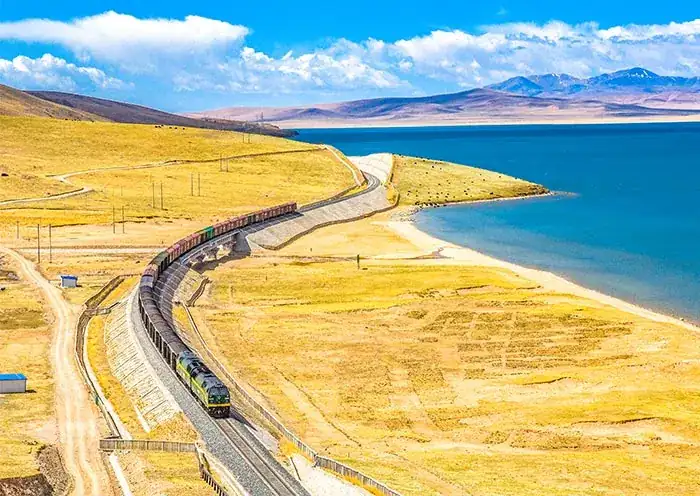
The scenery along the Qinghai-Tibet Railway is absolutely stunning.
IV. After arriving in Lhasa: Six practical methods for quick acclimatization and alleviating altitude sickness
The first 1-2 days after arriving in Lhasa are the golden and crucial period for acclimatization. Paying attention to details can help you easily get through this period.
1. Slow down all movements
When you first arrive in Lhasa, avoid running, climbing stairs quickly, walking briskly, or carrying heavy objects. Walk slowly and move gently to reduce your body's oxygen consumption and give your body time to adapt.
2. Drink plenty of warm water.
Lhasa is dry and oxygen-deficient year-round, with low air humidity. Drinking plenty of warm water daily can relieve discomfort such as dry mouth, chest tightness, and nasal dryness, and promote metabolism.
3. Eat a light diet and only eat until you are 70% full.
Eat less oily, spicy, raw, and cold foods, and avoid overeating. Eat more staple foods and warm meals, and refrain from drinking alcohol throughout the meal to reduce the burden on your body.
4. Always keep warm
The temperature difference between day and night in Lhasa is significant, and the cold wind is obvious in the morning and evening. Catching a cold is the number one cause of severe altitude sickness. Carry a jacket with you and add clothes in time to protect yourself from the wind.
5. Rest and recuperate on the first day.
Upon arrival in Lhasa, it is recommended to rest well and avoid rushing to wash your hair or take a shower to prevent catching a cold, experiencing oxygen deficiency, or depleting your energy. Go to bed early and rest to recover your energy and make it easier to adapt to the high-altitude environment.
6. Take your time to stroll and relax.
After your body has adapted, you can leisurely stroll around Barkhor Street, sit quietly in a teahouse, and immerse yourself in the slow pace of Lhasa's life to relax and ease your tension, which will help you adapt to the high altitude.
V. Common Misconceptions When Traveling to Lhasa: Avoid These Altitude Sickness Pitfalls for a More Comfortable Trip
Many people traveling to Tibet for the first time are easily misled by various online misconceptions, unnecessarily increasing their anxiety. Reading this will help you avoid all the pitfalls:
❌Myth 1:Taking a large amount of altitude sickness medication in advance can completely prevent altitude sickness.
✅ Correct:Medication can only help relieve discomfort and cannot completely prevent altitude sickness; a relaxed mindset and a slow-paced travel experience are the most effective ways to manage it.
❌Myth 2:If you are normally healthy and don't get sick, you won't experience altitude sickness when you go to Tibet.
✅ Correct:Altitude sickness depends on one's ability to adapt to high altitudes, and has nothing to do with physical strength or weakness. Even the healthiest person may experience mild discomfort.
❌Myth 3:Having just arrived in Lhasa, I was full of energy and spent the whole day walking around and checking off the sights.
✅ Correct:When traveling to high-altitude areas, it is crucial to avoid overexertion and over-exertion. It is advisable to rest and acclimatize in the city first, and then plan a trip to longer destinations in the suburbs. A gradual approach is more prudent.
VI. Lhasa is the best first stop for a trip to Tibet.
In summary, Lhasa, at an altitude of 3,650 meters, is definitely the top choice for beginners starting their Tibet trip, and it's also the place where altitude sickness is easiest to acclimatize to.
With proper preparation, adherence to common sense about traveling in high-altitude areas, and a controlled pace, most people can adapt easily. Understanding the altitude differences between Lhasa's districts and popular attractions beforehand, and planning the order of your visit accordingly, gradually transitioning from lower to higher altitudes, can help you avoid altitude sickness while allowing you to slowly appreciate the Potala Palace, ancient temples, and Tibetan culture, immersing yourself in the unique charm of the City of Sunshine.
Can Taiwanese people travel to Tibet? This comprehensive guide to traveling to Tibet, including the latest policies in 2027, application procedures for Tibet Entry Permits, ways to enter Tibet, recommended itineraries, budget costs, altitude sickness prevention, and regulations for group tours, will help you travel directly to Tibet without making any mistakes and fully enjoy the beautiful scenery!
The Ultimate Guide to Traveling from Chengdu to Tibet in 2027! Covering 15 Frequently Asked Questions: How to Choose Transportation, How to Plan Your Itinerary, Costs, Best Months to Go, How to Deal with Altitude Sickness, and How to Obtain a Border Permit. Helping first-timers avoid common pitfalls when traveling to Tibet!
The 2027 Tibet Specialty Products Guide lists the unique specialties of Tibet's 7 prefectures and cities, the top 12 must-buy specialties/souvenirs, authentic purchasing channels, real prices, anti-fraud tips and purchasing methods, so that first-time buyers of Tibetan specialties can avoid pitfalls and wasting money.
How to plan a chartered car tour in Tibet in 2027? This article details the cost of chartering a car in Tibet, the selection of SUVs/minivans, classic routes in Lhasa/Nyingchi/Ali, tips for choosing a reliable driver, and precautions to avoid pitfalls, providing a one-stop solution for all your chartered car tour questions in Tibet.
What are some delicious foods in Tibet? This list of 15 must-try Tibetan specialties is a must-do for any trip to Tibet. Local delicacies like butter tea, yak meat, Tibetan pork, and stone pot chicken are favorites among locals. You haven't truly experienced Tibet until you've tried at least 5 of these! The list also includes prices, cooking methods, customs, and foods suitable for altitude sickness.
How much will it cost to travel to Tibet in 2027? This article breaks down the costs of transportation, accommodation, food, entrance fees, personal expenses, and group tours, and shares practical money-saving tips to help you easily plan your Tibet trip budget and avoid wasting money.
The average altitude of Nyingchi, Tibet, is about 3,100 meters, making it one of the lower-altitude areas in Tibet. Most people in Nyingchi do not experience altitude sickness and can adapt quickly. This article provides a complete and scientific guide to preventing, alleviating, and adapting to altitude sickness, making it an essential read for beginners traveling to Tibet.
Hong Kong to Lhasa, Tibet Travel Guide: From comparing transportation options (flights, Qinghai-Tibet train, and highways – advantages and disadvantages at a glance), essential documents (only a Home Return Permit is needed, no Tibet Entry Permit required for greater convenience), to budget, best travel season (April-October), packing list, emergency response tips, and frequently asked questions such as whether there are direct flights and how to apply for a Tibet Entry Permit, this comprehensive guide will save you 99% of the trouble.
2026 Tibet Pilgrimage Guide: This guide covers all aspects of the pilgrimage to Mount Kailash in the Year of the Horse, including reasons, routes, costs, time, preparations, and tips, to help you successfully complete this sacred journey.
The Saga Dawa Festival in 2027 will be held on May 31st (Gregorian calendar). The 15th day of the fourth month of the Tibetan calendar is the most sacred festival in Tibetan Buddhism, traditionally believed to be the birthday, enlightenment, and death anniversary of the founder of Buddhism, Siddhartha Gautama. On the 15th day of the fourth month of the Tibetan calendar (May 31st, 2027), the number of people circumambulating sacred sites in Tibet will reach its peak, and locals can be seen circumambulating these sites everywhere in Lhasa.
A comprehensive guide for Taiwanese people to circumambulate Mount Kailash in Ali: This guide includes information on how to make the pilgrimage, the route, recommended tours, costs, best times, equipment, and precautions. It answers all your questions in one article.
Photo gallery
Travel information can change. Check current opening hours, reservations and entry requirements before you travel.

Traveller discussion
Start the conversation with a helpful tip or a question.