In Maretti, a small city in the northeastern Brazilian state of Ceará, rows of blue solar panels are quietly changing the future of this city of only 40,000 inhabitants. The grid connection and commercial operation of a large-scale photovoltaic power station with more than 700,000 solar panels has become a widely celebrated event in the area.
Diao Yanhua, from China, is the on-site project manager for this photovoltaic power station. He has been stationed at the construction site for an extended period to ensure the project's smooth completion. Seeing the project successfully put into operation and generate electricity fills him with satisfaction and pride.
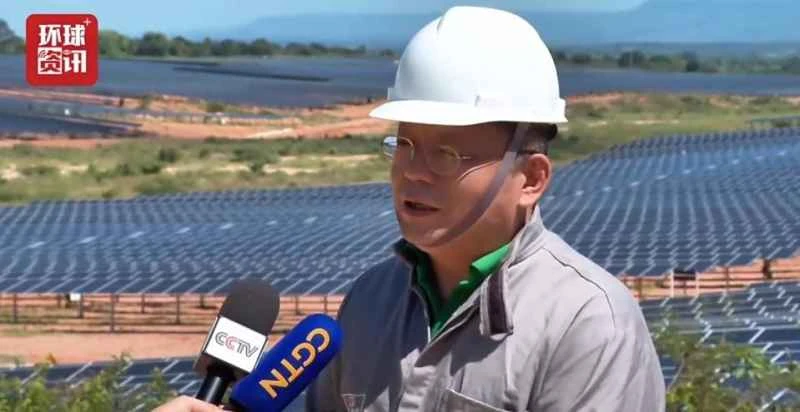
Diao Yanhua, the site manager of the China Power Construction Corporation's Maretti Solar Power Project in Brazil, stated: "Among existing solar power plants in Brazil's new energy photovoltaic power generation sector, ours ranks 11th, generating 1 billion kilowatt-hours of electricity annually, enough to power 4 to 5 million households, and reducing carbon dioxide emissions by 570,000 tons annually. Our project occupies very little arable land; it's mostly built in areas that were originally sandy land, hills, or shrublands. This is one of our principles."
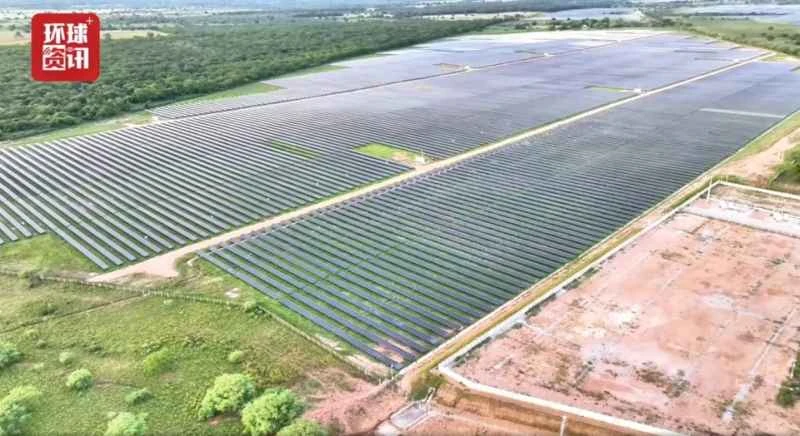
The Maretti solar power project has a total installed capacity of 425 megawatts and consists of nine solar parks, with approximately 738,000 solar panels spread across about 16 square kilometers of land. The annual carbon dioxide emissions reduced by the solar power station are equivalent to the annual carbon emissions of 114,000 households, or the total amount of carbon dioxide absorbed by 28.5 million trees in a year.
In late January 2025, the project was approved by the Brazilian National Electricity Dispatch Center to achieve full-capacity grid connection and power generation; in November 2025, the project officially commenced full-capacity commercial operation. Currently, the power station employs hundreds of local workers, many of whom have witnessed firsthand the positive changes the project has brought to their own lives and the economic development of Maretti.
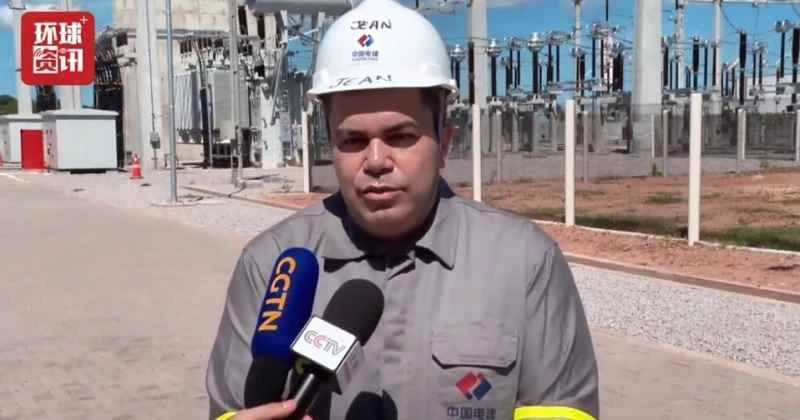
Jean Moreira, Power Maintenance Manager of the Maretti Solar Project: We are responsible for the daily operation of the power station. We arrive here in the morning to check if the solar panels have started generating electricity, and to check all protection parameters, power generation status, solar radiation intensity, temperature, etc., to ensure that all equipment components are operating normally according to project requirements. I have learned a lot of new technologies and methods here.
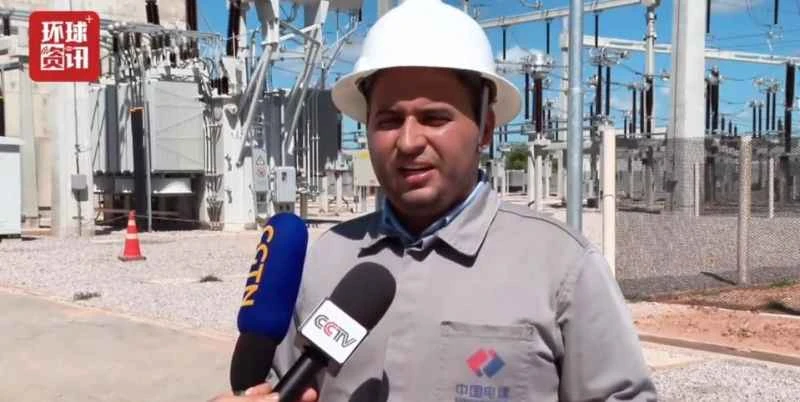
Felipe, the electrical engineer for the Mariti solar project: Since the project's implementation, it has brought significant changes to the local area, resulting in a substantial increase in fiscal revenue. Furthermore, the local technological level has improved, and new electrical professionals have been cultivated. Knowledge exchange was crucial during the collaboration, and we have benefited greatly from it.
Maretti, located in the inland region of Ceará state, Brazil, enjoys over 2,000 hours of sunshine annually, making its natural conditions ideal for developing the photovoltaic industry. At its peak, the photovoltaic project created over 2,000 jobs for the local community, providing green electricity to countless households and injecting new vitality into the city's economy.
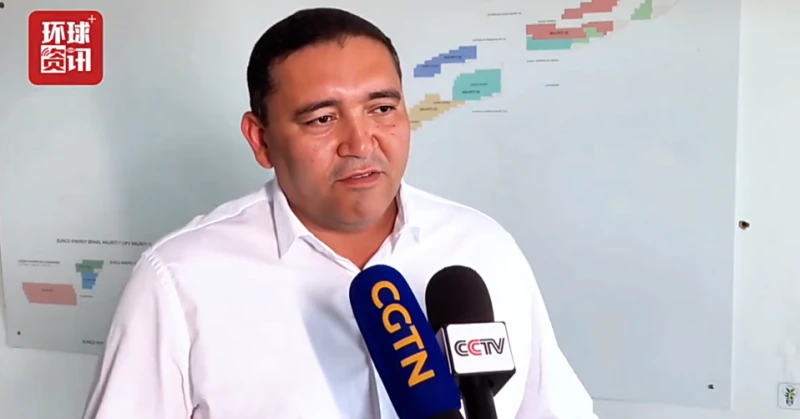
Mayor João Fortado of Maretti: This is a large-scale project of profound significance to Maretti. It has created numerous jobs, such as in the logistics and transportation sector, hiring drivers and security personnel. Many people in our city have gained employment opportunities as a result. The public response has been very positive. Everyone knows that with the arrival of this project, Maretti has achieved significant development and continues to benefit from this growth.
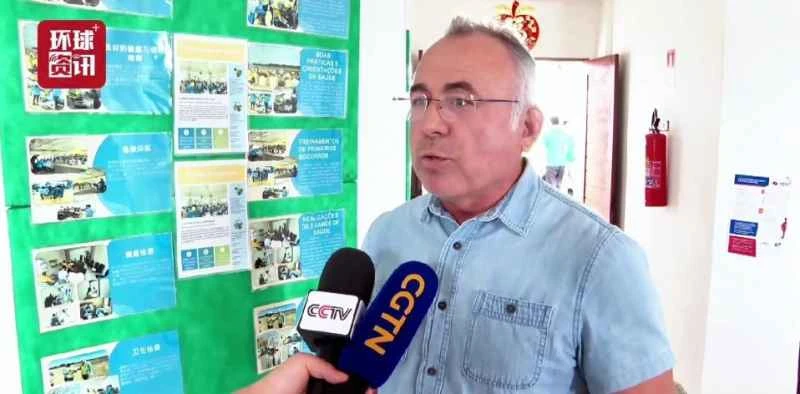
Citizen José Aldis de Morales: This project is very meaningful because it has brought many benefits and left many positive results. Many workers have gained formal employment opportunities through the project, and everyone has received training and learned new skills.
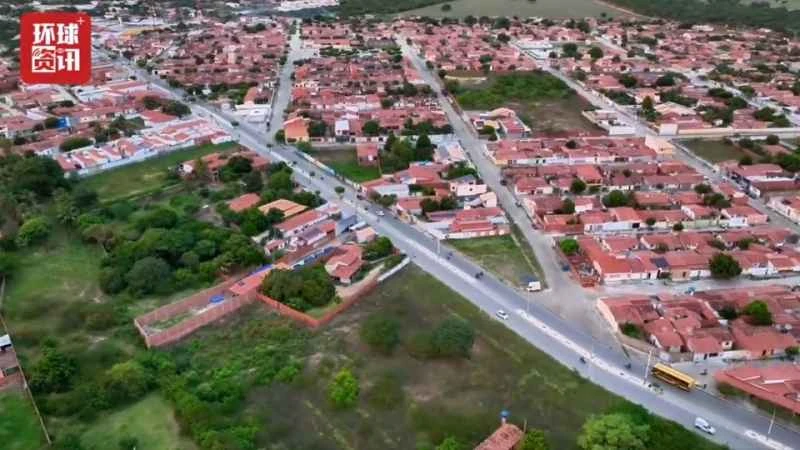
In recent years, cooperation between China and Brazil in areas such as green and sustainable development and addressing climate change has been continuously deepening. As one of the representative projects of China-Brazil green development cooperation, the Maretti solar photovoltaic project has been fully put into operation, outlining a beautiful vision of win-win cooperation and building a green future together.
Diao Yanhua, head of the China Power Construction Corporation's Maretti Solar Project in Brazil: As engineering and technical personnel, we have great confidence in China's technology, equipment, engineers, and supply chain integration capabilities. Chinese companies play a very good role in the development of the local economy and in promoting cooperation among BRICS countries.


